The Decline of Social Media: From Global Conversation to Private Echo Chambers
Social media was once heralded as a great global conversation, a digital town square where voices from all corners could connect and engage. Today, it has devolved into a landscape of individuals locked into their own private worlds, with platforms prioritising passive consumption over active participation. This transformation marks a profound shift in how we interact online, moving away from communal dialogue towards isolated experiences.
A Personal Journey Through Twitter's Heyday
I discovered Twitter in late 2010 and quickly became intoxicated by its promise of global connectivity. Posting frequently, I felt part of a vibrant exchange where anyone could be heard. The platform played pivotal roles in movements like Occupy, student fees protests, and the Arab Spring, fostering a sense of collective action. Through Twitter, I forged lasting friendships, met the mother of my children, and even advanced my career as a writer and commentator. The unique humour of "weird Twitter" left an indelible mark, with phrases and jokes that still resonate in my daily life.
The Erosion of Social Interaction Online
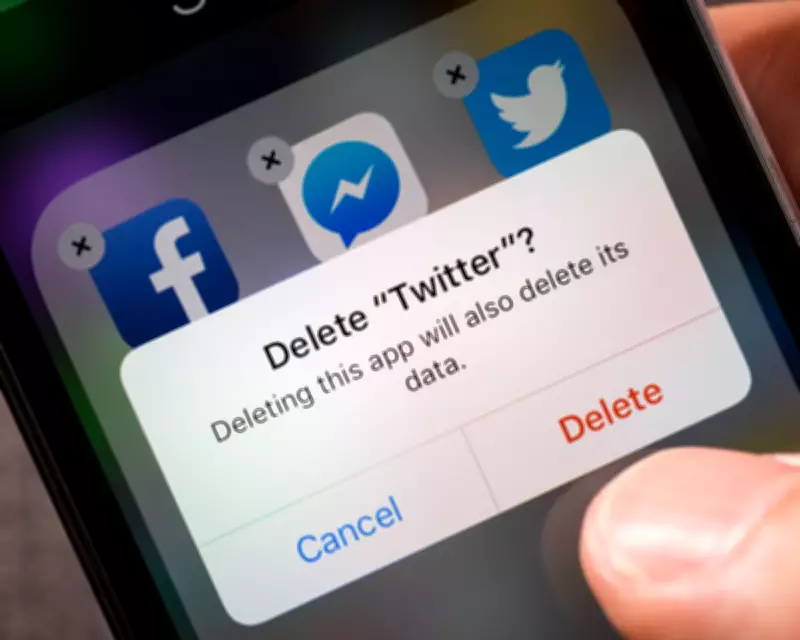
Nowadays, my use of Twitter—I refuse to call it X—is sporadic and lacks the enthusiasm of earlier years. Like a former heavy smoker reduced to occasional roll-ups, I check it infrequently, driven more by habit than compulsion. Alternatives like Bluesky have failed to capture the magic, feeling pointless for discussing topics like Keir Starmer's remarks. This disengagement is not unique; Ofcom reports a sharp decline in social media posting among UK adults, with only 49% actively engaging, down from 61% the previous year.

Factors Driving the Shift Away from Posting
Several factors contribute to this downturn. Privacy concerns and fears of big tech overreach have led many to revert to dumbphones, wary of their digital footprints. High-profile incidents, such as Wes Streeting's forgotten posts about Peter Mandelson or Elon Musk's Grok AI generating inappropriate images, highlight the risks of sharing personal content. Meanwhile, platforms like TikTok and Instagram have evolved into entertainment hubs, where users passively consume rather than actively participate. The "pivot to video" demands editing skills, creating barriers that favour professional influencers over casual posters.
The Homogenisation and Futility of Modern Social Media
As a result, social media is now dominated by a handful of major users, producing homogenised content that algorithms prioritise. The quirky, diverse voices of "weird Twitter" would likely be stifled today. Tweeting, once a fun and social activity, became a painful duty during events like Brexit and the Trump era, where every post felt critically important. Now, it often seems futile—a place to witness global horrors and shout into the void, with little real impact or connection.
The Rise of Private Digital Worlds
The internet has shifted towards parasocial relationships with influencers or interactions with AI models, rather than genuine human connections. Many former Twitter voices have retreated to private Substacks, creating isolated echo chambers. This new reality resembles a digital Plato's cave, where algorithms tailor shadows to our subconscious preferences, locking users into personalised bubbles. In essence, social media as we knew it is gone, replaced by individuals navigating their own algorithmic realities.