Italy Tourist Faux Pas: Cappuccino After 11am and More

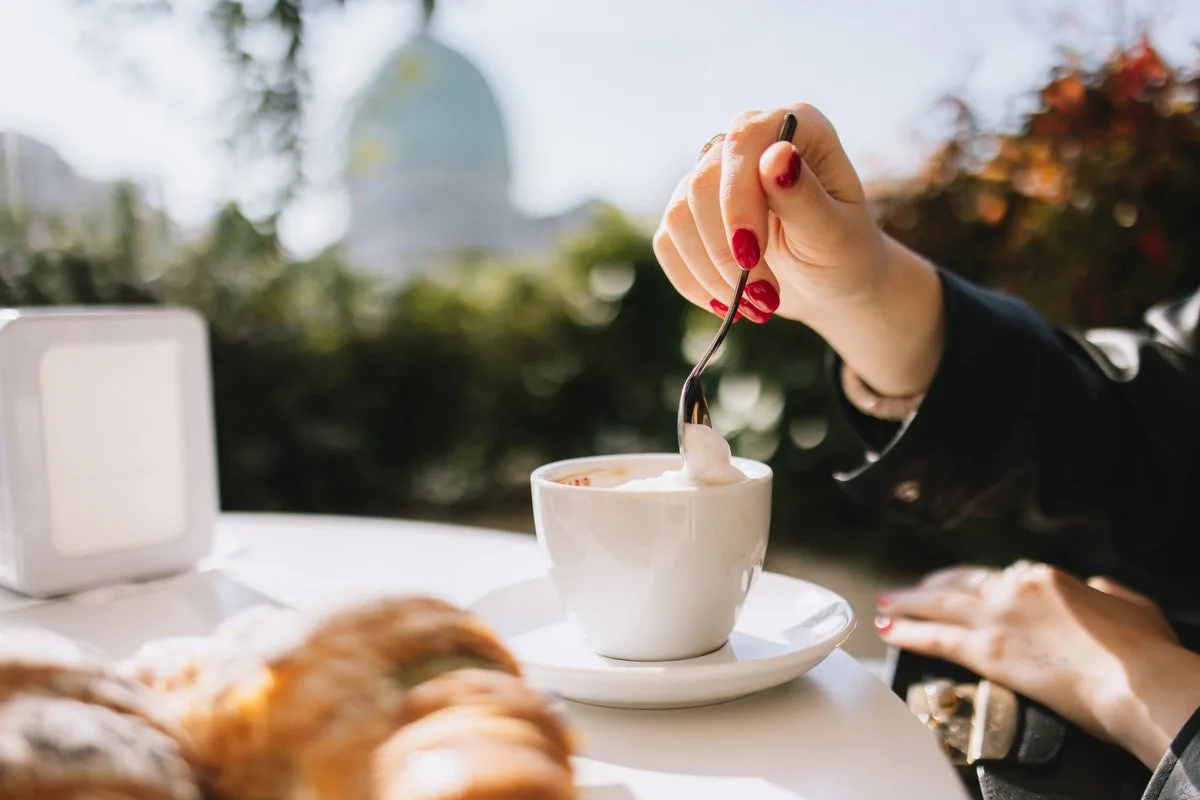
Can you have a cappuccino after 11am in Italy? This is just one of many cultural faux pas that tourists should be aware of when visiting the country. Elizabeth Heath, who has lived in Italy for 17 years, shares the most common gaffes travellers make, along with a severity rating to help avoid embarrassment or even fines.

The No Cappuccino After 11am Rule

It is not that the waiter is being rude; they are trying to help you avoid an upset stomach. In Italy, there is a widely held belief that milk impedes digestion, which is why milky drinks are not recommended after a large meal. However, if you order a cappuccino at any time of day, even with lasagna, you will be served, but expect some eye-rolling from your server. Severity rating: 1 out of 10.

Eating in Certain Public Areas

While wandering through a piazza with pizza or gelato is acceptable, sitting on landmarks like the Spanish Steps, the Rialto Bridge, or church steps to eat a panino is not. Such actions may result in being shooed away or even ticketed by local police. Spreading a picnic on church steps could earn you a scolding from a local nonna. Severity rating: 6 out of 10.

Wide Pickt banner — collaborative shopping lists app for Telegram, phone mockup with grocery list

Pre-Dinner Bread Dipping in Olive Oil

Italian restaurants abroad often condition diners to dip bread in olive oil with balsamic vinegar and cheese as a pre-dinner snack, but in Italy, this is not customary. If a restaurant offers such a plate, it is likely a tourist trap. Save the bread for sopping up sauce at the end of the meal. Severity rating: 1 out of 10.

Touching Produce at the Market

Despite the tempting appearance of fruits and vegetables at produce markets, touching them is a no-no, even if you intend to buy them. Instead, point to what you want, indicate the quantity with your fingers, and let the vendor bag and weigh the items. Severity rating: 3 out of 10.

Inappropriate Dress in Churches

Although rules have relaxed, entering an Italian church while scantily clad remains disrespectful. Both men and women should avoid shorts or skirts above the knee, spaghetti straps, bare shoulders, or revealing clothing. Bring a lightweight scarf to cover up if necessary. Severity rating: 7 out of 10.

Bathing in Public Fountains

Swimming in fountains like the Trevi Fountain or Rome's monumental waterworks, or jumping into Venice's Grand Canal, is not only tacky but also illegal. Fines start at around €450, and offenders may be removed from the area or banned from the monument. Severity rating: 10 out of 10.

Asking for Cheese with Seafood Pasta

Seafood pasta, such as spaghetti with clams or squid ink pasta, is delicately seasoned to highlight the seafood flavours. Sprinkling cheese on top covers those flavours and is considered an offence to the chef. If the dish is meant to be enhanced by cheese, the server will bring it. Severity rating: 2 out of 10.

Pouring Wine with an Open Hand

Pouring wine with an open hand (palm facing upwards, bottle resting on top of the hand) is considered a mark of a traitor in Italy, harking back to poison rings and palace intrigues. Today, it signifies wishing misfortune on your drinking companion. Severity rating: 9 out of 10.

About Tap Water

Italian restaurants often avoid serving tap water not just to sell bottled water, but because tap water can have a mineral taste. Most Italian households use bottled or filtered water. Instead of insisting on tap water, order naturale (still) or frizzante (sparkling) bottled water, or better yet, stick with wine.

Pickt after-article banner — collaborative shopping lists app with family illustration




