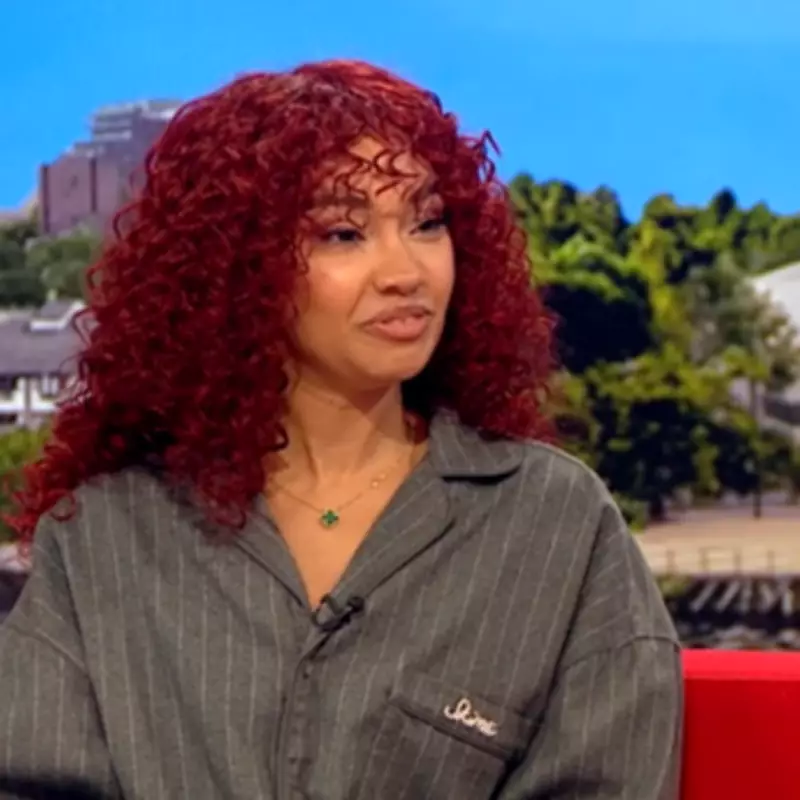
Former Little Mix star Leigh-Anne Pinnock has publicly endorsed a sweeping ban on social media access for children under the age of 16, arguing it is essential to protect young people from the "really damaging" effects of online platforms. The 34-year-old singer, speaking on BBC Breakfast to promote her debut solo album 'My Ego Told Me To', highlighted the pervasive issue of online trolling, particularly targeting women and girls.
Online Toxicity and Personal Experiences
Leigh-Anne described the current social media landscape as "hardcore," where individuals hide behind screens to spread hateful comments. She stated, "It's like people are out for blood. It can be so intense and scary." The pop star emphasized the importance of taking breaks from social media and surrounding oneself with supportive people to cope with the negativity.
As a mother of two, Leigh-Anne expressed fear about her children growing up in a world with unrestricted social media access. She also shared concerns about her niece's experiences with bullying at school, noting, "People can be nasty." Her advocacy stems from witnessing firsthand the emotional toll that online interactions can have on young individuals.

Current Age Restrictions and Loopholes
In the UK, most major social media platforms, including Facebook, Instagram, TikTok, and Snapchat, currently allow users to sign up from age 13, while WhatsApp requires users to be at least 16. However, these age limits are often easily bypassed through self-declaration methods, where users can provide false information during registration.
Recent changes under the Online Safety Act, effective from July 2025, mandate "highly effective" age verification measures enforced by Ofcom. For instance, Instagram now requires verification if a user attempts to change their age from under-18 to over-18. Some platforms use AI-based face-scanning or request photo IDs like passports, but critics argue these measures are insufficient due to existing exploits.
Government Proposals and Legislative Action
In 2026, the UK government is actively considering a ban on social media access for children under 16, following a House of Lords amendment to the Children's Wellbeing and Schools Bill. This proposal aims to implement robust age-assurance measures to restrict access, targeting addiction prevention and protection from harmful content.
The proposed ban would cover major social platforms such as Instagram and TikTok, messaging apps like WhatsApp, and social features in online games. The government is expected to announce consultation results by summer 2026, potentially reshaping digital safety policies for young users.
Broader Implications and Public Debate
BBC Breakfast host Sally Nugent pointed out that while public figures often face expected online hate, everyday women and girls are also frequent targets. This has fueled a broader debate on balancing digital freedoms with child protection. Advocates like Leigh-Anne argue that stricter age restrictions are necessary to mitigate mental health risks and cyberbullying.
As discussions continue, the focus remains on developing effective enforcement mechanisms to ensure age verification systems are not easily circumvented. The outcome could set a precedent for other nations grappling with similar issues around youth and social media usage.