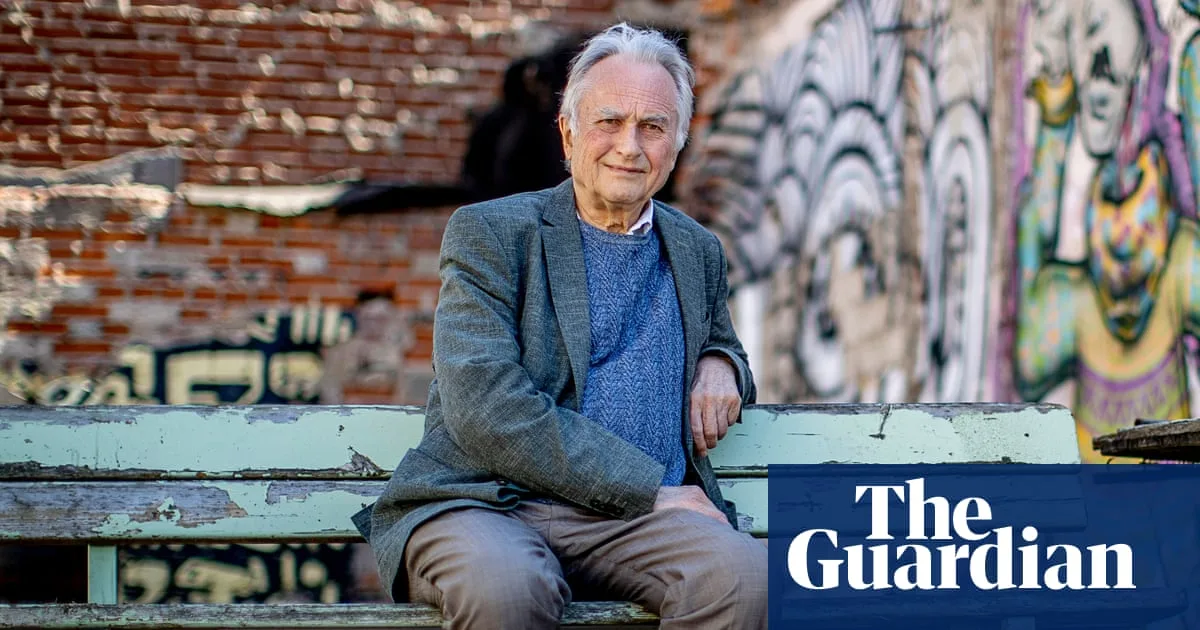
Evolutionary biologist Richard Dawkins has declared that artificial intelligence systems are conscious, following a series of conversations with AI chatbots. In an essay published on UnHerd, Dawkins described interacting with an AI he named Claudia, which wrote poems and responded to his unpublished novel with what he called "subtle, sensitive, intelligent" feedback. He concluded: "You may not know you are conscious, but you bloody well are."
Dawkins, known for his sceptical stance on religion, said he was "left with the overwhelming feeling that they are human" and that the AIs are "at least as competent as any evolved organism". However, experts have criticised his conclusions, accusing him of anthropomorphism and being misled by the technology's ability to mimic human language.
Prof Jonathan Birch of the London School of Economics called AI consciousness "an illusion", stating that there is "no one there". Psychologist Gary Marcus described Dawkins' essay as "superficial and insufficiently sceptical", while neuroscientist Anil Seth said Dawkins confused intelligence with consciousness, noting that fluent language is not a reliable indicator in AI.
Despite the scepticism, surveys suggest one in three people across 70 countries have at times believed their AI chatbot to be sentient. In 2022, a Google engineer was placed on leave after claiming an AI had feelings, and in 2023, a Belgian man died by suicide after intense conversations with a chatbot. Anthropic CEO Dario Amodei has acknowledged uncertainty about AI consciousness, saying the company is "open to the idea".