Former Infowars Insider Exposes Alex Jones's Fabricated News Empire in Explosive Memoir
Ex-Infowars Staffer Reveals Alex Jones's Fabricated News Empire

Former Infowars Insider Lifts Lid on Alex Jones's Fabricated News Empire

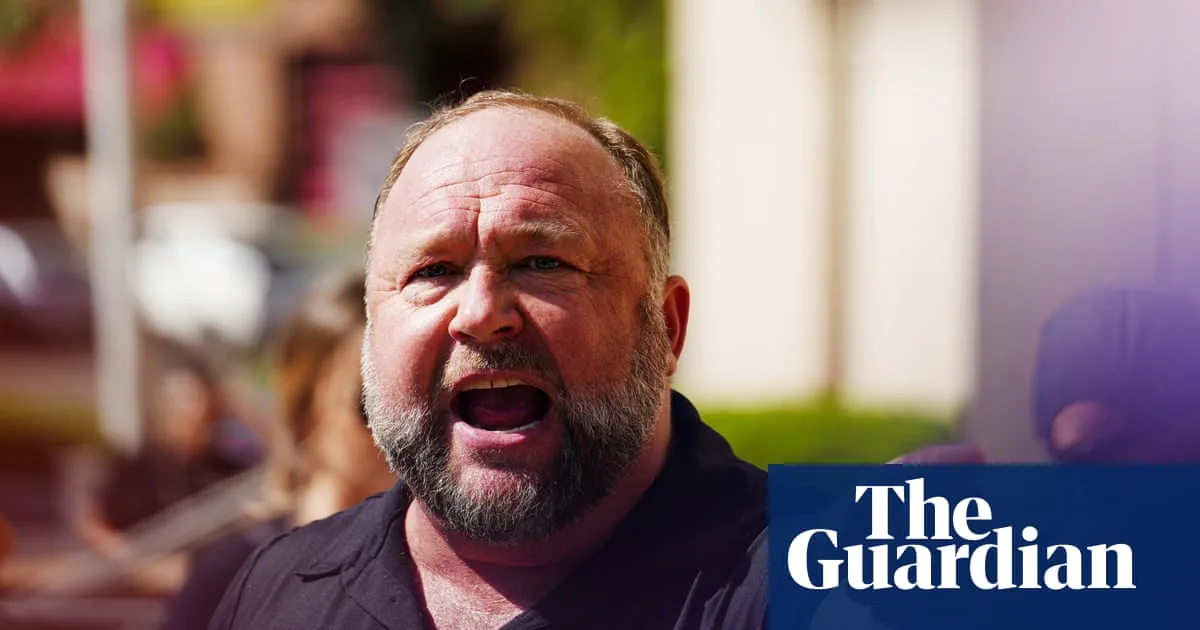
As right-wing media figures face criticism from former allies, a shocking new memoir reveals the disturbing reality behind one of America's most notorious conspiracy theorists. Josh Owens, who spent four years editing and producing videos for Alex Jones's Infowars, chronicles what he describes as systematic deception, staged news events, and a toxic workplace culture in his book The Madness of Believing.

The Making of a Conspiracy Machine

Owens details how he joined Infowars in 2013 as a vulnerable 23-year-old searching for direction. Raised by evangelicals in northern Georgia, he lied on his resume, dropped out of film school, and moved nearly a thousand miles to Austin to become what he initially believed was a warrior in Jones's ideological battle. The book reveals how Jones's operation systematically manufactured fear and paranoia to sell products and build audience engagement.

"I was struggling with how I'd spent the last four years of my life. The scams I'd contributed to. The lies I'd helped spread. The people I'd harmed," Owens writes in his memoir, published by Grand Central Publishing. "The guilt clawed at me, insistent and unyielding. I had been a cog in a monstrous machine."

Wide Pickt banner — collaborative shopping lists app for Telegram, phone mockup with grocery list

Staged Videos and Fabricated News Events

Owens provides detailed accounts of numerous fabricated news segments he helped produce during his tenure from 2013 to 2017. One particularly disturbing example involved creating a video meant to appear as though an Islamic State operative was sneaking into the United States from Mexico carrying a severed human head.

The former staffer describes step-by-step how they dressed a reporter to look like a terrorist and filmed him crossing a stream that Infowars falsely claimed was a section of the Rio Grande border. The video garnered a million views overnight, despite being completely fabricated.

Another incident involved fueling false fears about nuclear fallout from Japan's Fukushima disaster contaminating California beaches to promote a supplement Jones touted as radiation protection. When Owens's video crew couldn't find evidence to support the claims, he writes that Jones expected them to fabricate information anyway.

Toxic Workplace Culture and Dangerous Behavior

The memoir paints a disturbing picture of Jones's workplace behavior, including allegations of:

  • Day-drinking Grey Goose vodka at the office
  • Physical violence toward employees, including punching staff members and cracking one employee's ribs
  • Accidentally firing an AR-15 rifle toward employees during a filming session
  • Verbal tirades and abusive management tactics
  • Complete disregard for personal boundaries and professional conduct

Owens describes Jones as a charismatic but manipulative boss who commanded loyalty through domination and intimidation. "When he made mistakes, there was always someone there, if not many, to enable him," Owens writes.

The Psychology of Participation

Perhaps most compellingly, Owens explores how he became complicit in Jones's deception machine. He explains how Jones never explicitly told staff to lie but instead created an environment where employees questioned their own sanity and convictions.

"If there was a word we needed to define and read aloud at that moment, it wasn't 'reporter.' It was 'gaslight,'" Owens writes about his realization that he was participating in systematic deception.

The book details how Jones demanded a daily "churn and burn" of endless video content prioritizing quantity over quality, all designed to stoke audience fears and sell branded merchandise. Owens stayed partly because Jones kept promoting him and increasing his salary, but also because he felt trapped by the experience on his resume.

Breaking Free from the Vortex

Owens finally left Infowars in 2017 during Donald Trump's first inauguration week, after filming a drunk Jones engaging in attention-grabbing antics throughout Washington D.C. He writes that he could no longer dismiss Jones's behavior as mere eccentricities.

Pickt after-article banner — collaborative shopping lists app with family illustration

In a revealing moment, Owens claims Jones confided in him: "Let me tell you a little secret. I don't want to do this anymore either. So I don't blame you not wanting to stare into the abyss sometimes, 'cause you can become the abyss."

The memoir steers clear of Jones's most infamous claims about the September 11 attacks and Sandy Hook shooting, which occurred before Owens's tenure and resulted in Jones being ordered to pay more than $1 billion in damages for defaming Sandy Hook victims' families. Instead, it focuses on the day-to-day operations and psychological manipulation within Infowars during Owens's four-year involvement.

Infowars has not responded to requests for comment about the book's allegations, which provide unprecedented insight into one of America's most controversial media operations and the personal cost of participating in its deception machine.