The Resurgence of Colour Analysis on Social Media
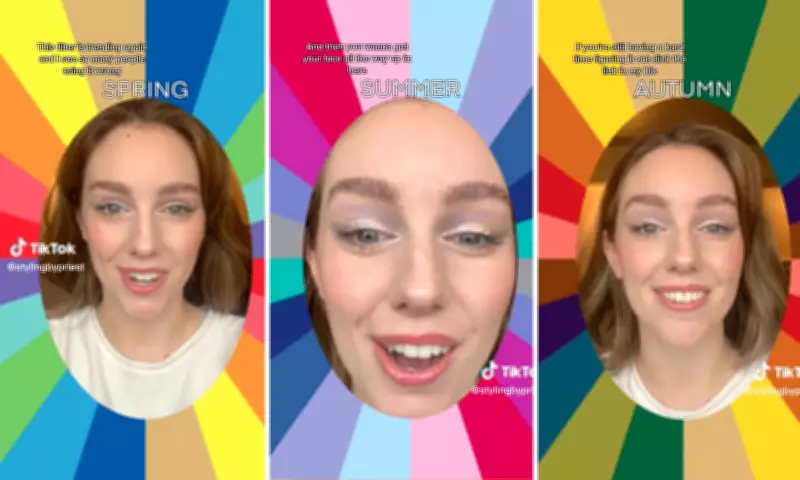
In an era marked by social, political, and environmental instability, many individuals are increasingly turning to influencers for guidance on how to navigate daily life. One prominent trend that has gained significant traction is colour analysis, a method for determining which shades best complement one's skin tone. Originally popular in the 1980s and 1990s, this practice has found a new and enthusiastic audience on platforms like TikTok in 2024, with its popularity only continuing to grow.
The Depressing Reality of Conformity
A recent video on Instagram captured a group of young women undergoing colour analysis for the first time. One participant expressed her suspicion that she was not supposed to wear gold, despite being adorned with gold rings and bracelets. The video then showed her with a strip of gold fabric placed across her chest, accompanied by a sad trumpet sound, before it was swiftly replaced with silver. The analyst declared, Way better here, to which the woman replied with a subdued Yeah, her tone conveying clear unhappiness.
This clip, among many others flooding social media feeds, highlights a concerning aspect of the trend: it is often portrayed as something to be endured rather than enjoyed. The underlying message suggests that directives on what one is supposed or not supposed to wear should be followed, even if it means sacrificing personal preferences. Some videos take this further by annotating photos of celebrities who dress against their designated colour palette with red crosses or proclaiming that Wrong colours don't whisper ... they SCREAM, implying that wearing certain hues is akin to inflicting torture.

Extending Beyond Colour: A Broader Doctrine
The doctrinal tone of these trends does not stop at colour choices. Social media platforms are saturated with advice on the right hairstyle, neckline, or skirt length. One popular trend involves women instructing each other to always remember specific combinations of necklines and hairstyles, as if there were a singular formula for successful self-presentation that must be memorized for an impending exam. Under the guise of etiquette, these rules infiltrate even the most trivial aspects of daily life, such as how to sit or eat a forkful of rice.
Part of this phenomenon can be attributed to the economics of engagement. Influencers often use imperative language to create a sense of authority, regardless of their actual credentials. Declamatory statements lend gravity, urgency, and universality to their advice, compelling audiences to listen. However, the demand for such guidance is not entirely fabricated. Many viewers, including the author, genuinely seek direction on how to look, live, and be, hoping to navigate life's uncertainties by emulating what is perceived as smart and desirable behaviour.
The Promise of Correctness in Uncertain Times
In periods of instability and declining living standards, few people feel consistently satisfied with their lives. Social media rules offer a tempting shortcut: by acting the right way or purchasing the right items, individuals can create a version of themselves so correct that it serves as insulation against the world's problems. This is evident in content focused on the grind, where even fashion and beauty posts equate elegance with wealth, reinforcing the idea that adherence to rules leads to approval and success.
To some extent, this mirrors established advertising principles, where marketing convinces people they need something rather than merely wanting it. However, the current trend goes further by selling belief systems and gurus instead of specific products like jumpers or jeans. This reflects a broader desire not only for outcomes but for rules themselves, especially in a moment when real-world rules feel particularly weak.

The Search for Rules in a Rule-Weak World
At both geopolitical and personal levels, traditional rules seem to be faltering. Young people often feel that conventional tenets like hard work and financial prudence no longer apply, and even basic moral guidelines are openly mocked by some leaders. Social media platforms like TikTok and Instagram are filling this void, sometimes consciously. A search for rules for life on Instagram yields millions of posts from self-proclaimed gurus, such as Jordan Peterson, proselytizing their methods for personal development.
On an individual level, many of these rules may have merit; for instance, meditating daily could promote calmness, and following the 60-second rule might improve daily structure. Yet, happiness is unlikely to emerge from a minutely prescribed existence that demands strict adherence to numerous directives. As the author notes, one cannot discipline themselves out of their historical context; instead, they must find ways to face it. While friends might laugh at the author for discussing colour analysis while predominantly wearing black, the key point is that personal preference should prevail over rigid conformity.