Catholicmaxxing: The TikTok Trend Making Religion Trendy Again
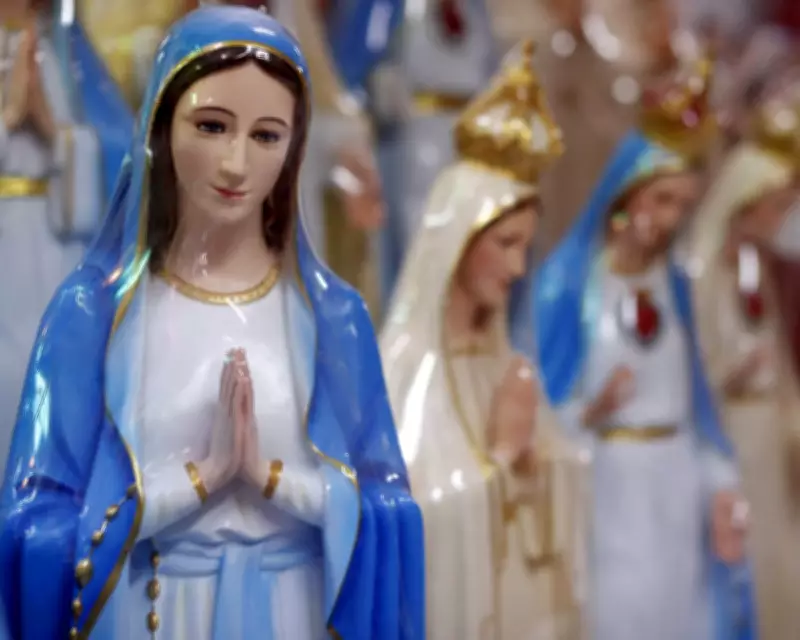
In an era dominated by social media trends, a new phenomenon called Catholicmaxxing is capturing the attention of young Americans. This movement, which emerged less than a year ago, blends traditional Catholicism with modern gen Z culture, all while spreading rapidly on platforms like TikTok.
What Exactly Is Catholicmaxxing?
The term maxxing originates from gen Z slang, referring to the pursuit of reaching one's full potential. While looksmaxxing focuses on extreme physical appearance enhancements, Catholicmaxxing takes a different approach. It represents a catchy, online-friendly way for young people to explore and engage with religious faith.
At its core, Catholicmaxxing is not merely about being as Catholic as possible. Instead, it serves as a gateway for individuals discovering religion, often driven by influencers who make faith accessible through viral content.

The Rise of Theo Bros and TikTok Influencers
Leading this trend is 22-year-old Anthony Gross, a TikTok influencer with 49,000 followers. His videos, such as Everything I consumed while fasting for Lent, feature him discussing his fasting experiences while shirtless, blending spiritual practice with a bro-y aesthetic.
This has given rise to the term theo bros, described by one parishioner as the extremely online religious man – usually a convert – who experiences faith through a rules-based or power-based understanding rather than service and community. For many involved, Catholicmaxxing offers a fresh, relatable way to connect with religion, even if it prioritizes personal growth and partner-seeking over traditional communal aspects.
Motivations Behind the Movement
Participants in Catholicmaxxing have diverse motivations. Some are searching for deeper meaning in life, while others, as Gross notes, see it as a huge selling point for finding a potential partner. This pragmatic approach reflects how gen Z integrates faith into their social and romantic lives.
Despite its growing online presence, Catholicmaxxing has not reversed broader trends in religious attendance. A recent study revealed that only 1% of US adults aged 18 to 24 joined the Catholic church last year, while 12% left. The movement remains primarily an American phenomenon, with unclear political affiliations, though figures like JD Vance, who is publishing a book on faith, hint at its cultural resonance.
Global Implications and Future Outlook
While Catholicmaxxing has gained traction in the US, its impact elsewhere is limited. In the UK, for instance, gen Z is the least likely demographic to attend church. This raises questions about whether similar trends could emerge in other secular contexts, perhaps through concepts like secularmaxxing.
Ultimately, Catholicmaxxing highlights how digital platforms are reshaping religious engagement for younger generations. It offers a unique blend of tradition and modernity, even if it does not signify a widespread return to organized religion.
Do say: Dear children, let us not love with words or speech but with actions and in truth – 1 John 3:18.
Don't say: But first let us film a TikTok of us flexing in front of a mirror with our tops off.