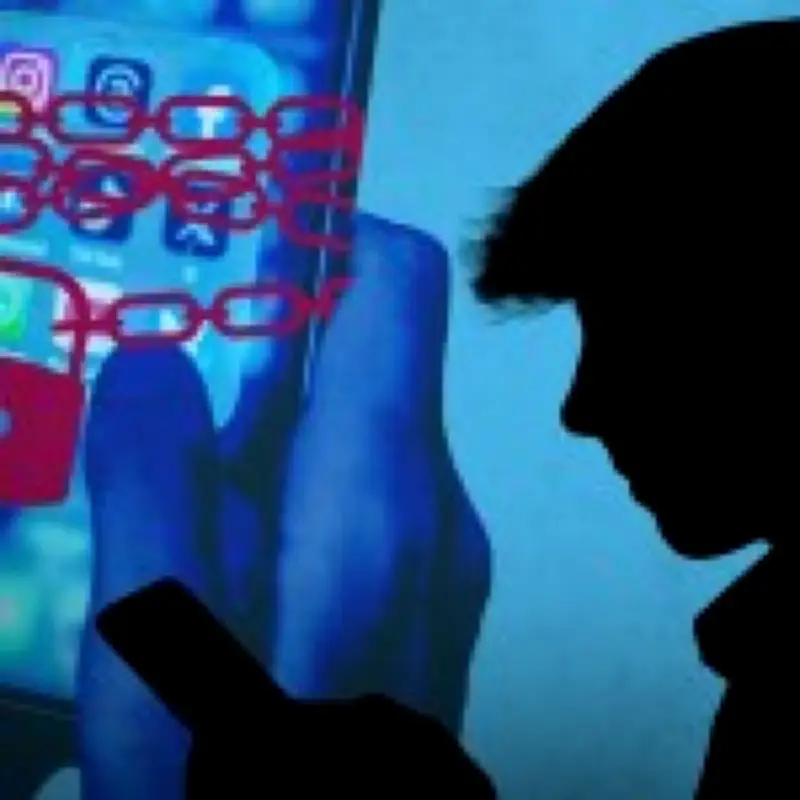
The UK government has announced plans to ban children under 16 from using social media, following in the footsteps of Australia. Prime Minister Sir Keir Starmer unveiled the proposal, aiming to protect young people from harmful content and cyberbullying. The ban is expected to come into force in early 2027, with regulations to be passed by Christmas 2026.
Which Platforms Are Affected?
While the full list has not been confirmed, the government has outlined initial plans to restrict access to Facebook, Instagram, Snapchat, TikTok, X (formerly Twitter), and YouTube. However, YouTube Kids will remain accessible to younger users. Messaging apps like WhatsApp and Signal are expected to be exempt, as they are primarily communication tools. The status of gaming platforms such as Roblox is still under review, and AI chatbots may also be blocked.
How Will the Ban Work?
The government has yet to release the full policy, which is due in July 2026. However, some details have emerged. Social media platforms will be required to verify users' ages from the outset, using methods such as uploading card details or facial scans via webcam. Adults will still have access to all platforms after proving they are over 18. The ban will also prevent children from live-streaming, including on platforms like Discord. Strangers will be unable to contact under-16s, and disappearing messages will be disabled by default for users under 17. Additional measures, such as overnight curfews and compulsory scrolling breaks for under-18s, are being considered.
Comparison with Australia's Ban
The UK's approach appears stricter than Australia's, which uses tools like browsing history checks and school-time activity verification to determine age. In Australia, platforms are fined if they fail to disable accounts of underage users, but there is no penalty for the minors themselves. The UK is also considering banning 'stranger pairing', a feature not addressed in Australia. However, critics note that Australia's ban has not been fully effective, with seven in 10 parents reporting their children still use social media despite the restrictions.
Why Is the Ban Happening?
The government has faced pressure from politicians and parents concerned about manipulative algorithms, harmful content, and cyberbullying. Research has linked social media use to worsened mental health and low self-esteem in young people. A government consultation drew over 116,000 responses, with 90% of parents supporting a minimum age of 16 for social media access, and 85% believing the risks outweigh the benefits.
Opposition and Concerns
While the ban has broad support, critics worry about its effectiveness and potential unintended consequences. Some studies suggest that children's issues persist regardless of phone use, and the ban may disproportionately harm teens in remote areas or minority groups who rely on social media for community. The Royal Society for Blind Children described social media as a 'lifeline' for blind and partially-sighted youth. Privacy advocates also caution that age verification could normalize surveillance. Antony Walker of TechUK urges investment in youth centres and sports fields as alternatives to simply banning social media.