UK Government Weighs Australia-Style Social Media Ban for Children Under 16
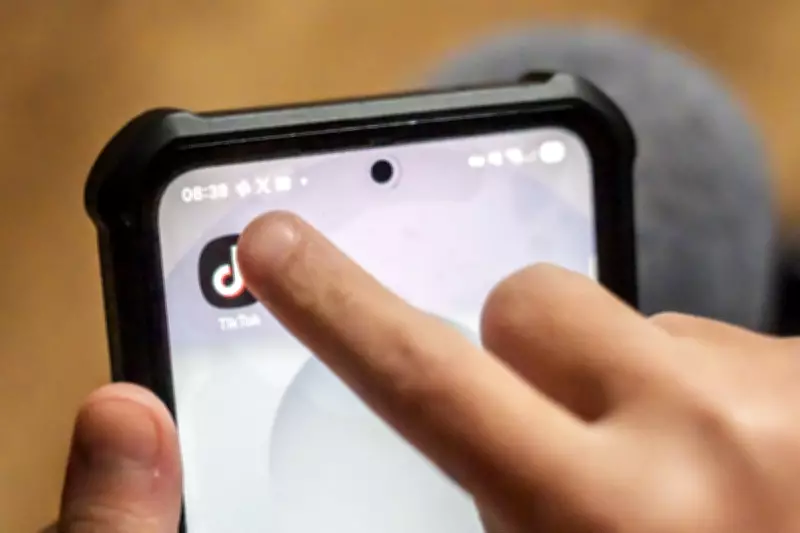
The UK government has launched a significant consultation to gather public views on implementing a comprehensive ban on social media access for children under the age of 16, mirroring a similar prohibition recently enacted in Australia. Prime Minister Sir Keir Starmer expressed strong support for addressing the addictive nature of social media platforms, citing a landmark trial in the United States as a catalyst for action.
Consultation Details and International Comparisons
The government's consultation specifically seeks input on whether to adopt an Australia-style ban on social media for children and to determine the appropriate age threshold for such restrictions. Australian authorities have justified their ban by highlighting the need to protect young people from design features that promote excessive screen time and expose them to content detrimental to their health and wellbeing.
In the UK, the consultation also explores whether social media companies should be mandated to disable addictive functionalities, such as infinite scrolling and autoplay features on videos, which are known to keep children engaged late into the night. Additionally, the proposal considers implementing overnight curfews on social media usage and potentially restricting children's access to AI-powered chatbots.

Ministers plan to conclude the consultation on May 26, with a response expected in the summer. Hundreds of teenagers are set to participate in trials evaluating social media bans, time limits, and curfews. Alongside this, the government will initiate a "national conversation" on online safety, featuring community events, discussions led by MPs in their constituencies, and engagements within schools. An academic panel will be established to review emerging evidence from international examples like Australia.
Proposed Legislative Changes and Parliamentary Process
Prime Minister Sir Keir Starmer and Technology Secretary Liz Kendall have committed to swiftly amending laws based on the consultation's findings. Under a Commons-backed amendment proposed by ministers, children could face bans or restrictions on accessing specific social media services. The Secretary of State would also acquire new powers to impose social media curfews for young people or limit their daily usage time.
To expedite these changes, the government is preparing to utilise so-called Henry VIII powers, which allow for rapid legal adjustments without the lengthy parliamentary process typically associated with legislation like the Online Safety Act. However, these powers have faced criticism in the past for potentially bypassing parliamentary scrutiny. The relevant bill is currently in the "ping-pong" stage, requiring both Houses of Parliament to agree on a final draft before it can become law.
House of Lords Support and Parliamentary Dynamics
Peers in the House of Lords have voted in favour of a social media ban for under-16s for the second time, demonstrating ongoing legislative momentum. Lord Nash, who proposed the age limit as part of the Children's Wellbeing and Schools Bill, criticised technology companies for taking a "cavalier approach" to content harmful to children. He warned that the Commons-backed amendment could grant ministers "sweeping powers" that might be used in the future to undermine efforts to raise the age limit to 16, potentially without effective parliamentary oversight.
MPs will have the opportunity to vote on this amendment when it returns to the Commons. This marks the second attempt by Lord Nash to push for a ban, following a previous rejection by MPs earlier this month. Instead, the Commons opted to provide the government with broader and more flexible authority to address the issue.
Influence of US Court Ruling on Global Regulation
A potentially precedent-setting ruling in Los Angeles has significant implications for the UK's proposals. A jury found that Google, owner of YouTube, and Meta, operator of Facebook, Instagram, and WhatsApp, designed their platforms to addict young users without regard for their wellbeing. This lawsuit, initiated by a young woman who argued that childhood social media addiction worsened her mental health issues, could influence thousands of similar cases globally.

When asked if this trial indicates a shift in public sentiment towards more aggressive government regulation, Sir Keir Starmer responded, "I think it does, and obviously we'll study that ruling very carefully, but I'm absolutely clear that we need to go further." This statement underscores the growing international pressure on social media companies to prioritise user safety, particularly for vulnerable younger audiences.