Tesla Forced to Pay Nearly $250 Million in Landmark Autopilot Death Case
A federal judge has upheld a massive $250 million verdict against Tesla, compelling the electric vehicle giant to compensate the family of a young woman killed in a 2019 crash involving its Autopilot system. The ruling represents a substantial legal and financial setback for CEO Elon Musk's ambitious vision of advancing self-driving technology.
Tragic Crash Claims Young Life in Florida
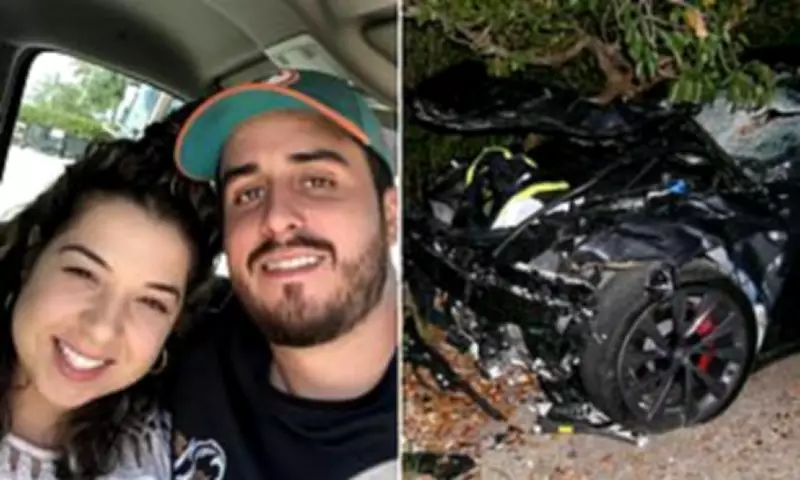
The devastating incident occurred on April 25, 2019, in Key Largo, Florida, when 22-year-old Naibel Benavides Leon and her boyfriend, Dillon Angulo, pulled their car over to watch the stars. George McGee, driving his 2019 Tesla Model S with Autopilot engaged, ran a red light at approximately 70 miles per hour before crashing into their parked vehicle.
The impact threw Benavides Leon 75 feet from the car, and she was pronounced dead at the scene. Angulo survived but suffered multiple broken bones and a traumatic brain injury, leaving him with permanent disabilities including a noticeable limp.

Driver Admits Distraction While Relying on Autopilot
McGee admitted to investigators that he was bending down to retrieve his dropped phone moments before the collision. However, he testified that he believed the Tesla's Autopilot feature would prevent accidents even if he made driving errors. "It didn't warn me of the car and the individuals and hit the brakes," McGee told the jury during the trial.
Video footage from the Tesla's front camera showed the vehicle detecting a stop sign, road markings, a pedestrian, and the parked Chevrolet Tahoe occupied by the couple, yet the system failed to provide any audio alerts or engage emergency braking.
Legal Battle Culminates in Historic Verdict
Benavides Leon's family and Angulo sued both McGee and Tesla, with their case eventually moving to federal court. After a consolidated trial in 2024, jurors ruled in favor of the plaintiffs last August, finding Tesla partially at fault for the crash.
US District Judge Beth Bloom affirmed the jury's decision on Friday, awarding $200,000 to be split between Angulo and Benavides Leon's family, plus $19,470,000 to each party separately. The total compensation approaches $250 million when including earlier settlements.
Autopilot System Safety Under Scrutiny
Attorneys for the plaintiffs presented evidence of 56 alleged incidents involving Autopilot system failures, arguing that Tesla prioritized profits over safety. "Tesla chose to continue profiting from the sales of their defective vehicles and software systems rather than heed warnings from government agencies, experts, and other car companies," the lawsuit stated.
Legal representatives for Angulo and Benavides Leon's family emphasized that the vehicle "was not designed to be used on roadways with cross-traffic or intersections" and had not been fully tested for safety in such conditions.
Tesla's Defense and Broader Implications
Tesla's legal team argued that Autopilot does not prevent reckless driving, with defense attorney Joel Smith stating during the trial: "He's rummaging around for his phone and he runs through the intersection. This can happen in any car, at any time. This is not about Autopilot." The company filed a motion for a new trial, claiming insufficient evidence linking Autopilot to the crash, but Judge Bloom rejected this argument.
The case has been described by the law firm Wood Smith Henning Berman as "one of the largest products liability verdicts ever rendered against an automaker in Florida." It establishes a significant precedent for holding vehicle manufacturers accountable for autonomous driving system failures.
Victims Seek Closure After Years of Grief
Angulo, who attended the trial and continues to suffer from his injuries, described the crash in a harrowing 60 Minutes Australia interview, recalling that he "should've been dead" from the trauma. He has since set up roadside memorials for his late girlfriend.

An attorney representing the victims' families stated: "From day one, Tesla has refused to accept responsibility. Autopilot was defective, and Tesla put it on American roads before it was ready and before it was safe." The judge's decision finally brings closure to a years-long legal battle that has haunted the grieving family since the tragic accident.