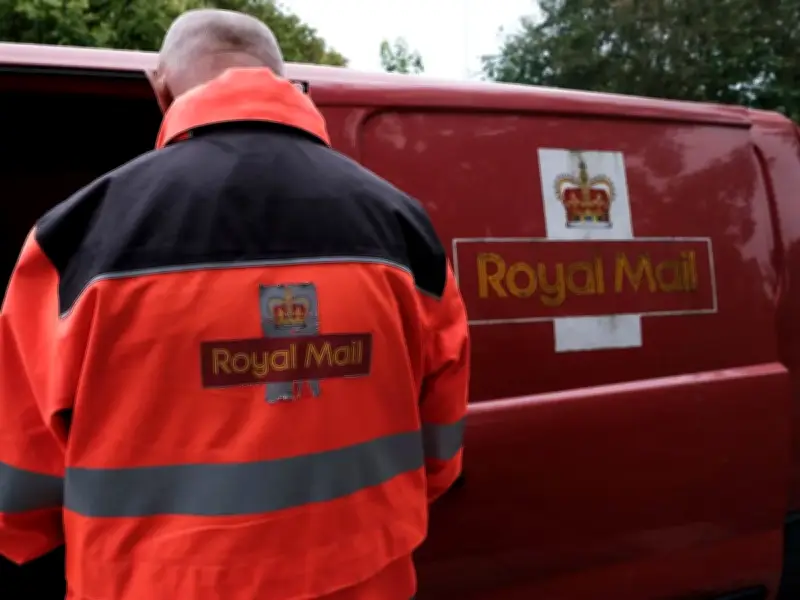
Royal Mail is advising customers to include a simple but important detail before sending letters or parcels: a return address. Whether posting a birthday card, an essential document or a package to a loved one, adding this information gives undelivered items a means of finding their way back to the sender.
Where to write the return address
The two words to write are 'Return Address', followed by your own name and address beneath. That label helps to clearly identify the sender's details rather than risking confusion with the address of the intended recipient.
Royal Mail's official guidance states that a return address can be placed on the back of an envelope should you wish undelivered post to be sent back to you. It is a simple step, yet one that is easily overlooked when people are preoccupied with writing the recipient's address, purchasing the correct stamp and ensuring the item is dispatched on time.
Why it matters
Should the delivery address be incomplete, or the item prove undeliverable for any other reason, having your details on the outside provides Royal Mail with a way to return it to you. For standard letters, the rear of the envelope is the most sensible place for this information, keeping it clearly separate from the recipient's address on the front.
Write 'Return Address' legibly, then include your full address beneath it, making sure not to forget the postcode. If you opt to place the return address on the front rather than the back, ensure it is distinctly separated from the recipient's information and doesn't clash with the main delivery address. The crucial thing is to make it unmistakable which address belongs to the sender and which belongs to the receiver.
Additional guidance for recipients
Royal Mail also recommends customers write the recipient's address legibly, with each element on a separate line, and to include a postcode wherever possible. Its guidance states postcodes enable sorting machines to operate effectively, while absent postcode details can result in a card taking longer to reach its destination.
Including a return address isn't a guarantee that every missing or delayed item will find its way back to you, but it offers an important additional safeguard should delivery go wrong.