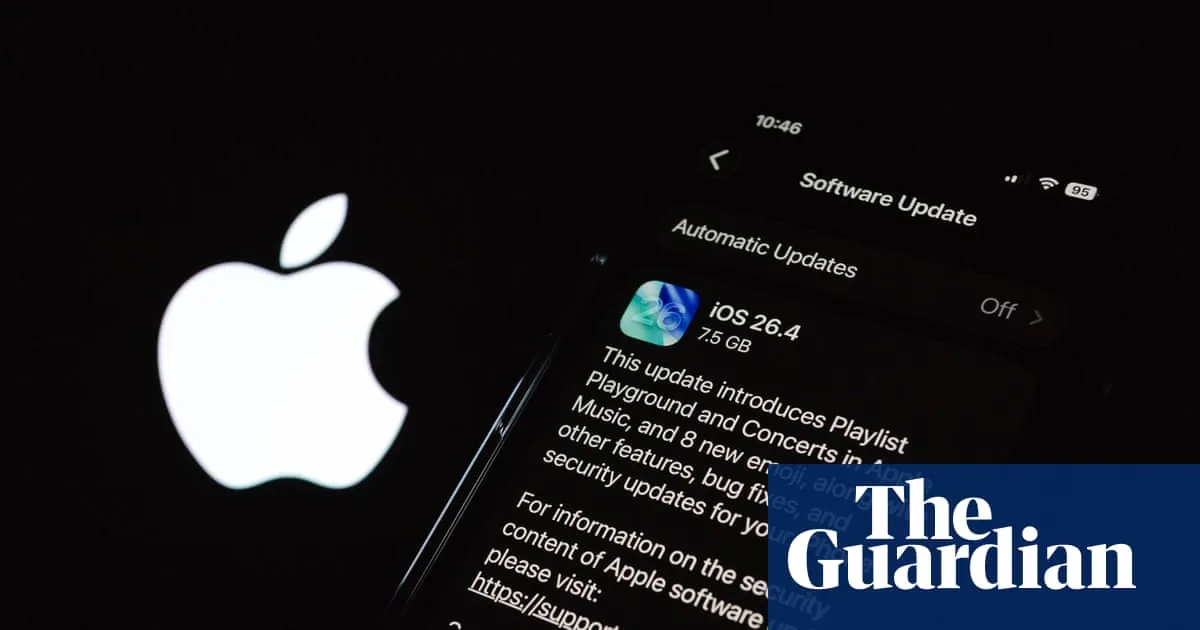
Apple Rolls Out Compulsory Age Verification for UK iPhone Users on Adult Applications
Apple has officially launched a new age verification system in the United Kingdom, mandating that iPhone users prove they are adults to access applications rated 18+. This significant policy shift is detailed on Apple's support page, which states, 'When creating a new Apple Account or using Apple services, you might see a prompt to confirm that you're an adult. This is required by law in some countries and regions.'
Alignment with Online Safety Legislation and Privacy Concerns
The implementation directly supports Ofcom's online safety laws, designed to safeguard underage children from inappropriate content. However, the measures have ignited controversy among privacy advocates. Silkie Carlo, director of Big Brother Watch, condemned the move as 'outrageous,' arguing it imposes a 'chokehold on Britons' freedom to search the internet, access information, and use apps unless they provide sensitive ID documents.'
Carlo elaborated, 'This means 35 million Brits who have paid hundreds or even thousands of pounds for Apple tech suddenly now have a child's device unless they comply with invasive demands for personal information that go far beyond what UK law requires. Apple has crossed the Rubicon with this software update which is more like ransomware, holding customers hostage to ID demands that are invasive, exclusionary, and unnecessary.'
Two Verification Methods: Credit Card or ID Scanning
Apple provides iPhone users with two distinct options to confirm they are over 18 when attempting to access adult-oriented content. The first method involves using a credit card. Apple explains, 'You can add a credit card to your Apple Account to confirm that you're an adult. If you use a credit card, you have the option to add it as a payment method for your Apple Account. Debit cards aren't eligible.'
The alternative requires scanning a driver's licence or national identification card. Apple offers guidance for this process: 'To help make sure that you scan your ID successfully, make sure that you're in a well-lit place (indoors works best). Place your ID against a neutral background and avoid glare. Make sure that the image of your ID is clear and in focus before submitting.'
Ofcom's Support and Ongoing Debate
Ofcom has publicly endorsed Apple's initiative, describing it as a 'real win for children and families.' A spokesperson stated, 'Apple's decision that the UK will be one of the first countries in the world to receive new child safety protections on devices is a real win for children and families. Our rules are flexible and designed to encourage innovation, particularly in age assurance.'
The spokesperson added, 'We've worked closely with Apple and other services to ensure they can be applied in a variety of contexts in order to ensure users are protected. This will build on the strong foundations of the Online Safety Act, from widespread age checks that keep young people away from harmful content, to blocking high-risk sites and stepping up action against child sexual abuse material.'
Despite this official backing, criticism persists. Carlo characterized the measures as 'draconian,' asserting, 'Children's online safety is vital but requires better parental controls and thoughtful tech responsibility – not sweeping, draconian, shock demands by foreign companies for all of our IDs and credit cards.'
Historical Context: Apple's Evolution and Regulatory Engagements
This development occurs within Apple's broader historical trajectory, marked by innovation and periodic regulatory confrontations. Founded in 1976 by Steve Jobs, Steve Wozniak, and Ronald Wayne, Apple introduced landmark products like the Apple II, Macintosh, iPod, iPhone, and iPad. Under CEO Tim Cook since 2011, the company has navigated challenges including legal battles over privacy, such as the 2016 FBI case involving a locked iPhone, and initiatives addressing digital wellbeing and environmental sustainability.
Recent years have seen Apple expand into artificial intelligence with Apple Intelligence and reintroduce products like the Home Pod. The new age verification system in the UK represents Apple's latest adaptation to evolving digital safety regulations, balancing corporate responsibility with user privacy concerns in a highly scrutinized global market.