The UK government has published new research showing that one in four children use Virtual Private Networks (VPNs) to bypass age restrictions online, raising the prospect of further restrictions on VPN use. The Department for Science, Innovation and Technology released an independent report titled Children’s circumvention behaviours online on Tuesday, July 14, 2026, which surveyed thousands of children and their parents about VPN usage.
Key Findings on VPN Use Among Children
The report found that around a quarter of children (26%) have used a VPN in their lifetime, with use rising sharply with age. Lifetime use increases from 17% among 11- to 12-year-olds to 31% among 16- to 17-year-olds. Nearly six in ten children (58%) have heard of VPNs, and around a fifth (22%) have used one in the last three months.
According to the report, privacy is the main motivation cited for VPN use, but around a quarter of VPN users also indicated they used it to access certain websites, apps or games (27%) or watch content from other countries (25%). Around a fifth (22%) say they use a VPN to access age-restricted websites, apps or games, and a similar proportion (19%) mention using a VPN to access public Wi-Fi more safely or accessing age-restricted content on platforms they already use (18%).
Link Between VPN Use and Exposure to Harmful Content
The report highlighted a strong association between VPN use to bypass age checks and exposure to harmful content. It stated: “VPN users who bypass have a particularly high association with seeing harmful content: 64% of children who used a VPN in their lifetime saw harmful content after bypassing, compared with 43% of those who bypassed but have not used a VPN in their lifetime. Although there are some age effects behind the proportion of VPN users reporting this, this cannot explain the full extent of the results.”
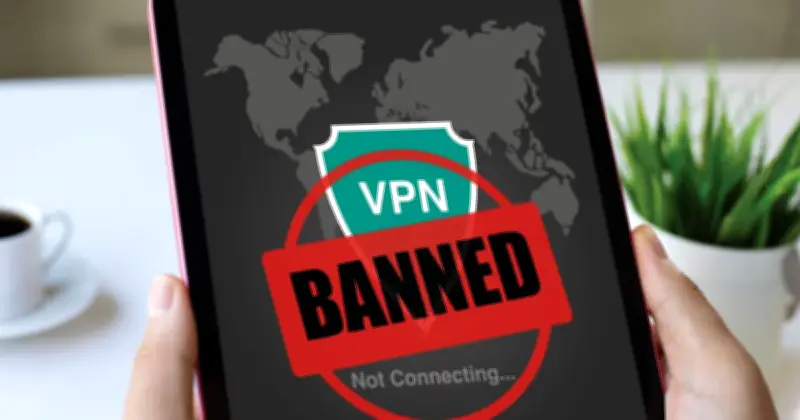
The government said the findings could be used to “inform future policy development in this area,” suggesting that MPs could use the evidence to support new restrictions on VPN use. The government has repeatedly refused to rule out further restrictions on VPNs as it looks to strengthen the Online Safety Act to protect children from exposure to adult content.
Existing and Proposed Measures to Protect Children Online
The UK government has already introduced a social media ban for under-16s, set to take effect next year. The ban was announced in response to concerns that social media is unsafe, makes children miserable, and could cause lasting damage to their mental health. The restrictions, to be passed by Christmas and in place by spring next year, will leave technology firms, rather than children, liable for enforcement action if they fail to comply.
There will also be measures to prevent children from chatting with adults on gaming and livestreaming platforms. The government is also considering potential overnight curfews and breaks in infinite scrolling for under-18s, with more details expected next month.
Political Reaction and Concerns
Reform UK’s Nigel Farage said the social media ban was “well-intentioned” but “unlikely to work given the mass adoption of VPNs” and warned of “the introduction of digital ID via the back door.” The government’s latest research indicates that VPN use is already widespread among children, potentially undermining the effectiveness of age-gate restrictions.