Apple's first foldable phone, the iPhone Duo, goes on sale this week, and early testing reveals a device that impresses with its design and display but comes with notable compromises, including a £2,000 price tag and missing Face ID.
The iPhone Duo marks Apple's entry into the foldable market, a space Samsung pioneered in 2019. The device features a dual-display design: a 5.4-inch cover screen for everyday tasks and a larger 7.6-inch Super Retina XDR display that opens like a book. The larger screen sports a unique matte nano-texture coating that reduces glare and makes the central crease remarkably difficult to spot, a feat no Android phone has matched.
Design and Display
The Duo's build quality is a highlight. The precision hinge, made from aerospace-grade aluminium, opens smoothly, while the Grade 5 titanium frame gives a premium feel. The device can be partially opened to stand on its own for hands-free photos or used like a mini laptop on a desk. A polymer finish is stiffer than competing materials, helping to protect against scratches and dents.
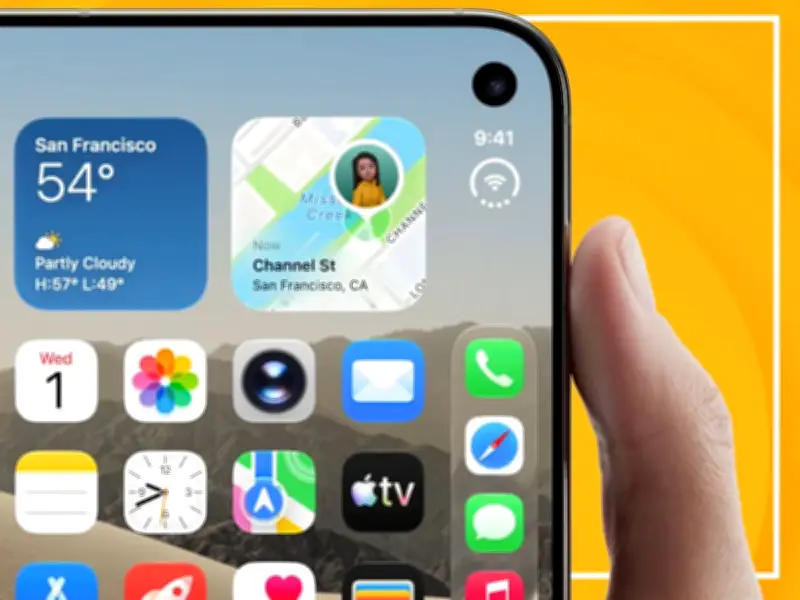
Software tweaks make the most of the larger screen. Apps can run side by side, the phone can act as a desk display in standby mode, and the Dynamic Island is accessible on either display. A redesigned circular status bar and a side-mounted app dock free up screen space. Some apps, like Netflix, already support the larger display, letting users browse on the cover screen and watch on the bigger panel.
Performance and Cameras
Under the hood, an A20 Pro processor delivers strong performance for multitasking, gaming, and photo editing. The device supports Apple Intelligence features and the new Siri assistant. Battery life lasts a full day thanks to improved efficiency and two batteries working together, with MagSafe and USB-C charging options.
The Duo has four cameras: two front-facing (one hidden beneath the main display) and two rear cameras. Features include Photographic Styles, Cinematic mode, and Dolby Vision video recording at up to 4K and 120fps. A Smart Take function uses on-device AI to capture group photos automatically. However, low-light performance is a weakness, and the cameras don't match the iPhone 18 Pro's capabilities.
Shortcomings and Verdict
Several issues detract from the experience. Apps not optimised for the larger display appear as tiny versions with black space, including banking apps, BBC apps, and TikTok at the time of testing. The lack of Face ID is a notable omission; instead, a Touch ID fingerprint scanner is fitted into the side, which feels like a step backwards for secure logins and payments. There is also no Action Button.
At £2,000, the Duo costs more than buying an iPhone 17 (£899) and an iPad Air (£749) together. The device weighs 254g and is 11.3mm thick when folded, making it feel chunky in a pocket. For many, the cover screen handles everyday tasks well, making the foldable design an extra step rather than a genuine benefit.
The iPhone Duo is a triumph of design and engineering, setting a new benchmark for foldables. However, with app developers needing to catch up, the missing Face ID, and the high price, it's a device for those who truly want a folding iPhone, not for the average user.