Google's new Googlebook laptops, which combine ChromeOS and Android, offer premium hardware but are undermined by software flaws and a poorly optimised app ecosystem. The Acer Googlebook 14 and Asus Googlebook 14, both powered by Intel Core Ultra Series 3 chips, start at £999, yet the software experience falls short of what users expect at that price.
Hardware Impresses, But Software Lags
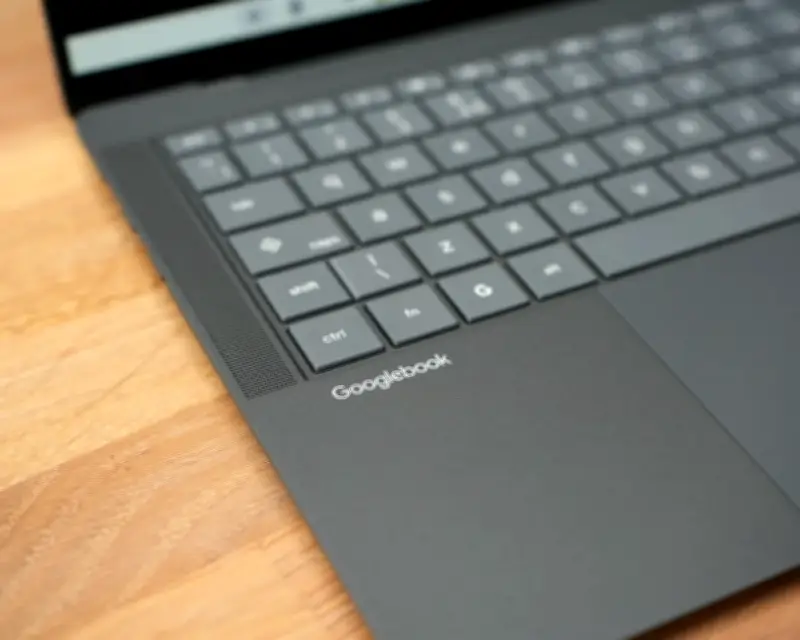
The Acer Googlebook 14, a convertible with a 14in 3K OLED screen and aluminium-magnesium body, weighs 1.14kg and is 13.9mm thick, costing £999.99. The Asus Googlebook 14, a traditional laptop with a matt 14in 3K OLED display and magnesium-alloy body, weighs just 0.99kg and is 11mm thick, priced at £1,199.99. Both feature backlit keyboards, haptic trackpads, fingerprint readers, and at least 16GB of RAM, meeting Google's strict hardware standards.
However, the software, essentially Android underneath, resembles ChromeOS with a taskbar, widgets, and an app drawer. Setup takes about four minutes via QR code scanning, faster than Windows 11, but the Android app experience is inconsistent. Most apps are mobile versions, with only a few "made for desktop" apps redesigned for laptops, and even those lag behind Windows or macOS equivalents.
App and Integration Shortcomings
Google's own apps also disappoint. Google Calendar shows only one account at a time, Google Docs opens documents in a Chrome window rather than its own app, and the Files app lacks the ability to pin frequently used locations. The Chrome browser misses features like split-screen tabs and multiple profiles.
Android phone integration, called "better together," offers features like searching phone files and casting apps, but many are slow or broken. Streaming apps is sluggish, and it took two hours to connect a Google Pixel 11 Pro. Gemini integration, including the Magic Pointer feature, is inconsistent, and Magic Cue, imported from Pixel phones, failed to activate during two weeks of testing. Rambler, the voice dictation system, works as described.
Verdict: Not Ready for Prime Time
The hardware is top-notch, but the software isn't ready for a £1,000 premium machine. The app gap, where third-party developers haven't optimised apps for the platform, will take time and money to fix. Unless you're willing to spend at least £1,000 to be a beta tester, your money is better spent elsewhere for now.