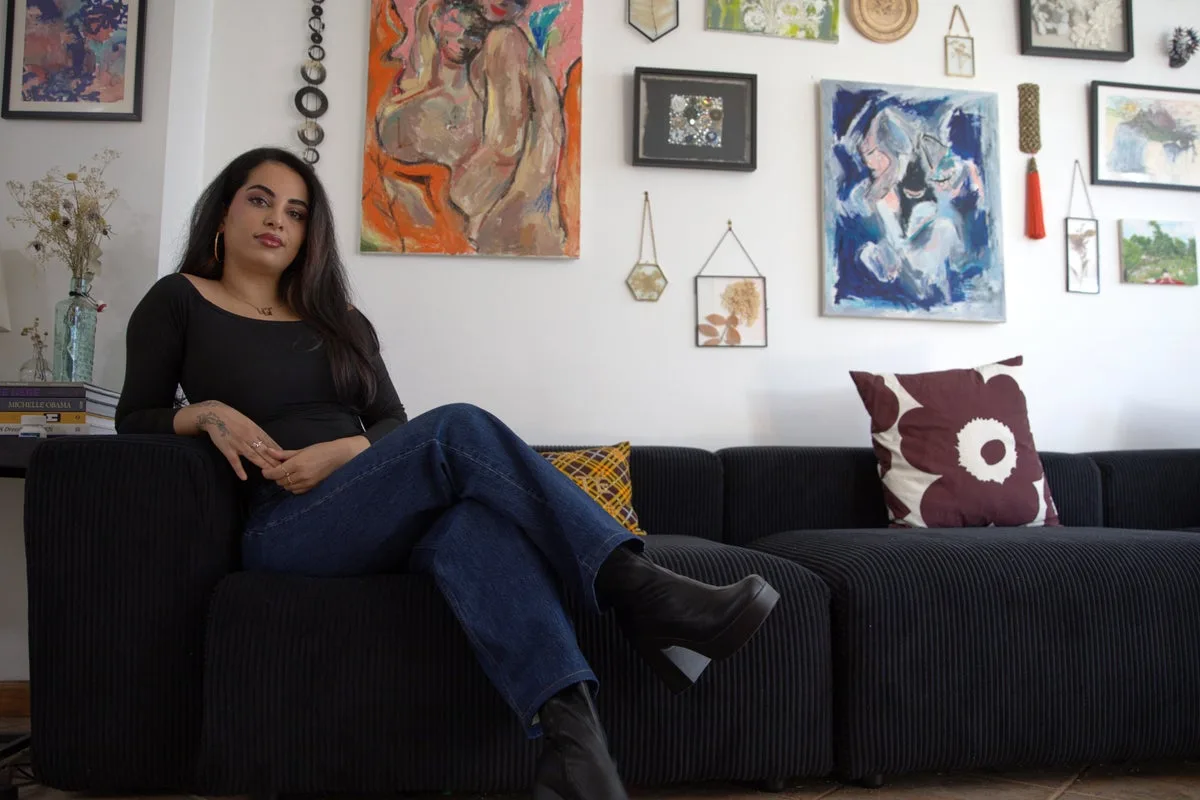
Iranian American Ariana Afshar, a New York-based social media creator with 350,000 followers, has struggled to produce commentary on the Middle East war based on perspectives from inside Iran due to a government-imposed internet blackout. The blackout has stifled communications, making it nearly impossible to reliably survey opinions on the escalating conflict from within the country, where Afshar lived as a teenager and still has family.
This void has amplified the voices of Iranian American social media creators, who now explain Iran's complicated history and the conflicting desires of its citizens in succinct videos widely shared online. Their content targets surging U.S. demand for information, with Google Search Trends showing a 3,000% increase in searches like 'why are we at war with iran' in the first week of March.
Some creators and observers say the disproportionate influence of voices outside Iran has exacerbated deep rifts in the diaspora, which includes about 750,000 people in the United States, according to the Pew Research Center. 'I think it's a huge problem among the Iranian diaspora, where they speak for Iranians a lot. I don't want to fall into that,' said Afshar, who mostly critiques pro-war perspectives based on her experience growing up in both countries.
Babak Rahimi, an Iranian professor at the University of California San Diego, noted that diaspora creators play a major role in circulating emotions rather than information. Digital blackouts and fear of government retaliation have severely limited first-person accounts from inside Iran. The Associated Press and other news outlets have some journalists reporting inside Iran, but limited communications make getting reporting out challenging.
Online, bad information thrives on social media and messaging apps like Telegram, where inaccurate and unattributed content is easily shared. Some disinformation is put out by the Iranian government, including fake firsthand accounts. False information seemingly designed to favour the U.S. has also proliferated, such as videos claiming Iran was behind a strike on a school; a preliminary U.S. military investigation found outdated intelligence likely led to the U.S. carrying out the strike.
In brief moments when Iranians are able to share information, it quickly grabs attention. 'All it takes is for just a little bit to leak out, and those images and stories go viral,' said Houman Hemmati, a 49-year-old Southern California creator who supports the war and speaks regularly on Fox News. A 35-year-old Iranian living in New York, who asked not to be named for fear of retaliation against relatives in Iran, said her family WhatsApp chat illustrates the blackout's harm.