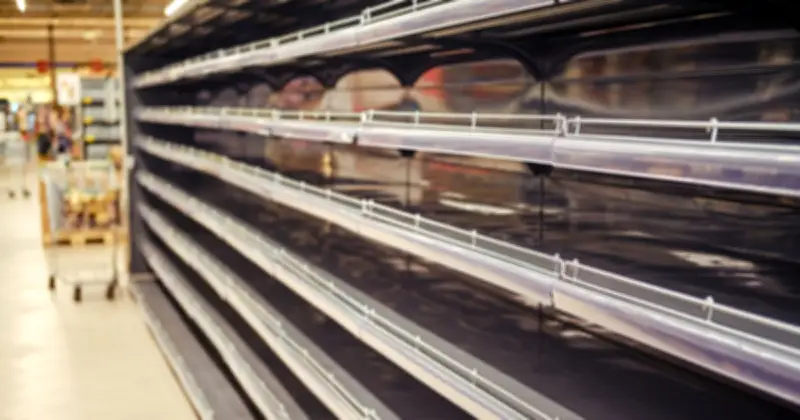
Britain has been warned that cyberattacks could leave supermarket shelves empty following a wave of attacks on refrigeration systems across Europe. At least 11 European countries have been affected, with hackers reportedly sending temperatures in some fridges and freezers soaring to 50C, forcing retailers to throw away large quantities of spoiled food.
UK Abattoirs Affected
The disruption has also reached Britain, with three UK abattoirs affected by the cyberattacks. Two reported refrigeration units unexpectedly defrosting overnight, while another recorded temperatures soaring to 100C. However, the affected units were empty at the time and no meat was lost.
Supermarkets in Belgium, Sweden, Ireland, Italy, Germany and Romania were among those affected in the latest attacks, with dozens of stores suffering refrigeration failures.
NCSC Warning
The head of Britain's National Cyber Security Centre (NCSC) has warned that failures to tackle cybersecurity weaknesses could eventually leave supermarket shelves empty, while the Government has urged households to stockpile three days' worth of food and water in preparation for potential emergencies.
Speaking at the launch of the NCSC's annual review on Tuesday (November 3), chief executive Dr Richard Horne warned: "When food isn't on the shelves, when lights aren't on, businesses have gone under."
He also linked the wider threat to the European attacks, warning: "Our resulting exposure as a society is huge and increasingly exploited in cyber attacks as we are seeing in the disruption of refrigeration units across Europe."
Government Advice and Industry Response
Asked whether the recent attacks reinforced Government advice for Britons to stockpile emergency supplies, Dr Horne replied: "Absolutely. And we saw criminal attacks last year impact retailers in the UK." He also warned that Britain faces "a real prospect of an unprecedented rise in the number of cyber incidents" in the coming months.
The NCSC confirmed it was working with affected British businesses and contacting organisations with vulnerable refrigeration technology, although the overall impact in the UK remained minimal. No group has claimed responsibility for the latest attacks, which follow a similar incident affecting hundreds of French supermarkets around three weeks earlier.
The Government's Be Ready campaign, unveiled on October 22, advises households to keep enough non-perishable food and bottled water to last three days in the event of an emergency. The guidance is designed to help Britons prepare for potentially devastating cyberattacks that could disrupt essential services and supply chains, as well as other emergencies including severe weather.
Defence Secretary Wes Streeting warned that hostile state actors or terrorists could potentially disrupt vital supply chains. He asked: "How would we cope if the payment systems at the local supermarket went down?"
Dr Horne also warned that Britain remained vulnerable because businesses had failed to invest sufficiently in replacing outdated technology and strengthening their cybersecurity systems. He said: "We know it can happen, and we've seen it across Europe."
Meat Suppliers and Retailers Respond
The Association of Independent Meat Suppliers (Aims) confirmed on Tuesday (November 3) that some of its approximately 300 members had been affected by the refrigeration attacks. Some refrigeration units unexpectedly heated up overnight on Monday (November 2), but were empty at the time, meaning no meat products were lost or damaged.
An Aims spokesperson said businesses using the same software as affected European supermarkets had "unexpectedly become collateral" in the attacks. He warned: "None who have been affected have lost any meat, but once again this must act as a reminder to all in the food industry, at whatever point in the supply chain they are, that their businesses may be seen by some as targets."
The British Retail Consortium (BRC) confirmed that retailers were working with the NCSC to protect refrigeration systems against further cyberattacks. Graham Wynn, of the BRC, told ITV News: "Retailers invest heavily in their cybersecurity and are currently working with the NCSC to ensure their fridges and freezers are secure as possible against potential attacks."
Businesses have also been urged to update vulnerable software, monitor their equipment and prepare contingency plans in case food supplies need to be relocated.
Broader Implications and Government Funding
The recent attacks have highlighted concerns about the potential consequences of cybercriminals targeting Britain's food supply chain. Dr Asma Adnane, a cybersecurity expert at Loughborough University, warned: "Food supply is part of critical national infrastructure. If an attack can stop food from being stored or sold, cyber security is no longer just an IT issue."
The Government has announced £60million for the first phase of its Cyber Shield initiative and £70million for a new centre to identify vulnerabilities across critical infrastructure. The NCSC has urged organisations to strengthen their defences, warning that failing to address longstanding security weaknesses could leave essential services exposed to further disruption.