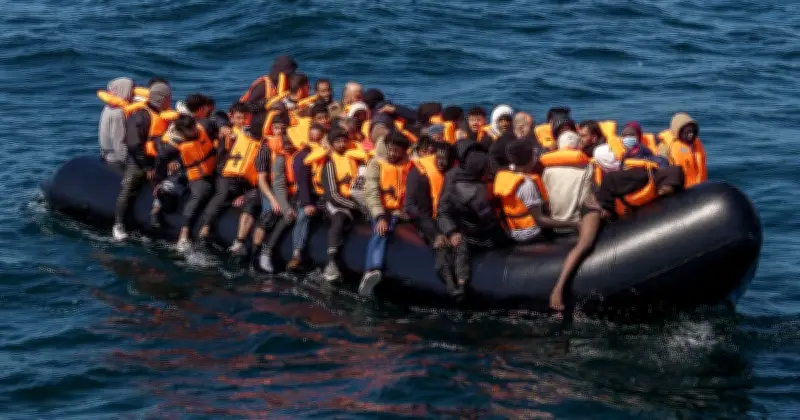
Smuggling gangs are using an "unusual" route to bring migrants into the UK, launching boats from the Netherlands in a new tactic to avoid patrol vessels in the English Channel.
While most Channel crossings depart from the beaches of Calais and Dunkirk in northern France, criminal networks have now begun sending dinghies from Dutch waters. A boat carrying 38 Afghan migrants, including six boys, was intercepted off the coastal village of Cadzand, near the Belgian border and roughly 100 miles from Dover, on Saturday, November 7.
Interception off Cadzand
The dinghy, piloted by two Sudanese nationals, was found drifting off the coast after being launched from the Netherlands. The engine had failed before border force officers swooped in and arrested the Sudanese men on suspicion of human smuggling.
Smuggling gangs have been forced to adapt their tactics following recent enforcement operations on traditional routes. Enhanced patrols have contributed to a 40% reduction in crossings from France between January 1 and October 31, compared with the same period last year.
Officials respond to new tactic
Mike Tapp, the Labour MP for Dover and Deal, said smugglers are now attempting longer routes from Belgium and the Netherlands. Dutch Deputy Prime Minister Bart van den Brink described the launch from Dutch waters as "highly disturbing".
Mr Tapp said: "As launch disruptions grow, the criminal gangs will adapt and a part of that will be finding new launch locations and methods. That means our operational efforts must also be agile. We have seen a significant reduction in crossings this year, but we still have a long way to go."
Red Cross describes crossing as unsafe
Bastiaan van Blokland, a spokesman for the Netherlands Red Cross, described the recent crossing from Cadzand as "unusual". He told the BBC: "The situation definitely was dire, 38 people on a boat with legs dangling out of the boat, in the cold weather, without an engine. It didn't look safe at all.
"We were surprised that this situation occurred. We are not very familiar with these kind of movements, and we will be alert for the future."
Mr van den Brink, who is also the Dutch minister of asylum and migration, told RTL: "This problem was situated around Calais for a long time and moved up north in the direction of Belgium. But now for the first time in the Netherlands we see this occurring."