Driverless Car Technology Faces Critical Safety Concerns After Basic Error
Experts have issued a major warning about the readiness of driverless car technology for UK roads, following a concerning incident where an autonomous vehicle performed an emergency stop after mistaking a simple bus advertisement for a group of pedestrians. The revelation comes as companies like Waymo prepare to launch driverless taxi services in London as early as this year, raising urgent questions about the safety and reliability of these futuristic systems.
Alarming Incident Exposes AI Limitations
During recent trials, a driverless vehicle with no human occupant in the front seat harshly slammed on its brakes after its artificial intelligence system incorrectly identified actors on a promotional poster for the spy film The Man from U.N.C.L.E as real people crossing the road. The advertisement was displayed on the side of a London bus, but the vehicle's sophisticated sensors and software failed to distinguish between the two-dimensional image and actual human beings.
Professor John McDermid, a software engineering expert at the University of York, disclosed details of this technology hitch during a briefing at the Science Media Centre in London. "One of the automated vehicle companies I work with had a situation where their vehicle did a sudden emergency stop because it saw pedestrians in the road, except they weren't," Professor McDermid explained. "It was a life-size advert on the side of a bus, but to an AI, it was human beings. That seems very obvious to us, but actually, to the AI, it's not."
Multiple Challenges Identified During Testing
Beyond this specific incident, trials have revealed several other areas where driverless technology currently struggles:
- Difficulty distinguishing between real people and images or representations
- Problems understanding and navigating roundabouts effectively
- Challenges identifying when pedestrians are breaking road rules
- Uncertainty about when to slow down on tight curves
- Struggles responding to unexpected human movements, such as people crossing against green lights
Professor McDermid showed video footage from automated car trials in York that demonstrated these limitations in real-world scenarios. The incidents have sparked legitimate fears that similar errors could lead to collisions between robotaxis and other vehicles on UK roads if the technology is deployed before these issues are adequately resolved.
Imminent UK Rollout Despite Concerns
Despite these safety concerns, driverless vehicles could begin operating on British streets within months. The UK government has agreed to change legislative regulations in the latter half of the year to permit autonomous vehicles in London, though no specific implementation date has been announced.
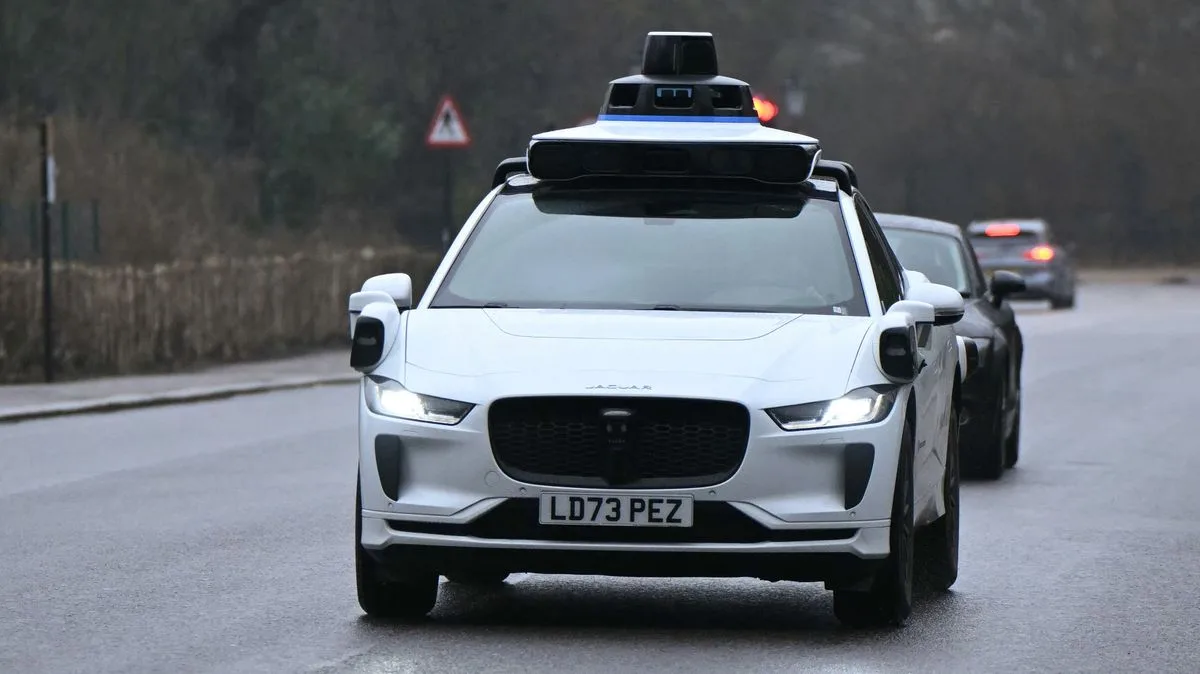
US robocab firm Waymo, owned by Alphabet (Google's parent company), plans to launch its driverless taxi service in London this September, with a pilot program potentially starting as soon as April. The company showcased its fleet at London's Transport Museum in late January, generating both excitement and apprehension about the technology's imminent arrival.
Waymo is collaborating with Uber to roll out the service later this year. Currently, Waymo's vehicles operating on London roads all contain safety drivers who are mapping streets in preparation for the fully autonomous phase. When the service officially launches, paying passengers will be able to book completely empty taxis via a mobile application, relying solely on automated technology without human oversight.
Sophisticated Technology With Significant Gaps
Waymo's vehicles employ an impressive array of sensing technology to navigate their environment. Each car is equipped with four different high-tech detection systems:
- Lidar sensors for precise distance measurement
- Vision systems for visual recognition
- Radar for object detection and speed measurement
- Microphone sensors for audio awareness
According to Waymo, this combination provides a comprehensive 360-degree view of surroundings extending as far as three football fields, even during adverse weather conditions. The data collected by these sensors feeds into a powerful computer housed in the vehicle's boot, which determines the car's movements, actions, and reactions in real-time.
Waymo promises this futuristic transportation will come at a "competitive" yet "premium" price when it becomes available to the public. However, the recent incident involving the bus advertisement demonstrates that even the most advanced sensor arrays and computing systems can be fooled by basic visual cues that human drivers would easily recognize as harmless.
The emergency stop triggered by a simple poster highlights the significant challenges that remain before driverless technology can be considered truly safe for widespread public use. As autonomous vehicles prepare to hit UK roads, experts continue to emphasize the need for rigorous testing and refinement to prevent potentially dangerous misunderstandings between artificial intelligence systems and the complex visual environment of urban streets.