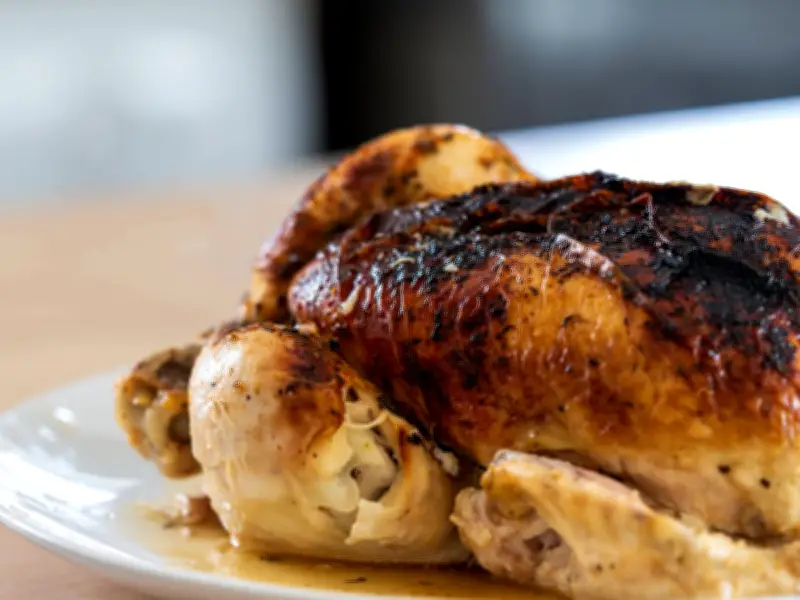
Chicken is a widely enjoyed, adaptable ingredient favoured by countless people around the world. It can be grilled, roasted in the oven, prepared in the air fryer and even barbecued.
Yet it can be tricky to cook properly, as it needs to reach a safe internal temperature while maintaining its moisture and taste. When chicken is insufficiently cooked, it may harbour dangerous bacteria, while overcooking can leave it parched and chewy.
With the appropriate cooking technique and close monitoring, chicken can be turned into a mouth-watering dish. I consulted chefs on precisely how to achieve this, and they've revealed their expert recommendations.

Start with Quality and a Brine
Vanessa Dorward, executive chef at Bingham Riverhouse, explained: "Start off with the best quality chicken you can find, of course, from a trusted farm. I love to marinate it in olive oil or slather it with butter, stuffing the cavity with handfuls of rosemary, some crushed fresh garlic, and a peeled onion."
A generous seasoning of fresh flaked salt and herbs, I use my own homemade wild herb salt blend. If it's summer, I go for lots of fresh lemon and use the vegetables as a bed to roast the bird. Some onions, carrots and celery will do the trick. A thermometer is your best friend for hitting the correct cooking temperature and time combination for a succulent success.
Brining: The Game Changer
Paul Mason, the head of food at Prep Kitchen, similarly advocated marinating the chicken in a brine. He explained: "We have all been served the sad chicken breast. Pale, dry, the kind that needs a glass of water on standby just to get it down. Here is the thing, though, it is almost never the chicken's fault. It is how it was cooked. The fixes are simple, most of them costing you nothing."
"Start with a brine. It is the single biggest thing people skip. Dissolve a couple of tablespoons of salt in water, submerge the chicken for as little as 30 minutes, and it holds onto far more moisture as it cooks."
Afterwards, season it with your favourite rub, or for extra tenderness, use a yoghurt marinade. Hold chicken at 65°C for a couple of minutes, and it's perfectly safe to consume and deliciously tender.
The specialist advised cooking over medium heat and, for thicker pieces, searing them before finishing in the oven. Subsequently, let them rest for five minutes to allow the juices to settle.
Overnight Brining for Maximum Flavor
Richard Allen, head chef at Headlam Hall Hotel & Rural Retreat, noted that for a "moist, tender" chicken, you must begin with a high-quality free-range bird. The chef stated: "I'd recommend brining the chicken for 24 hours before cooking. A simple 10% brine works well."
This entails dissolving 100g of salt in 1L of water, then incorporating aromatics such as bay leaf, thyme, peppercorns, and garlic to enhance flavour. After brining, remove the chicken and thoroughly dry it before placing it in the oven until the thickest part reaches 72°C.
Afterwards, allow the bird to rest for 30 minutes so the juices can spread evenly throughout the meat.
Butter Under the Skin for Crispiness
Robert Manea, executive chef at Bõkan 37, also explained that maintaining moisture in chicken depends on flavouring from within and "roasting with care". The chef stated: "I tuck rich herb butter under the skin and start with a hot oven before lowering the temperature, giving you crisp skin and beautifully succulent meat every time."