Essential Security Camera Features for Home Protection in 2026
Home security cameras have become more affordable and technologically advanced than ever before. However, with this technological maturation comes a phenomenon known as feature creep, where manufacturers overload their latest products with an array of functions and gimmicks that can overwhelm consumers. Rather than seeking a camera that checks every conceivable box—such as dog detection, AI voice assistants, or integrated radar—it is far more prudent to concentrate on the features that genuinely meet your specific needs.
In numerous instances, the ideal security camera for your home is not necessarily the most expensive model or the one boasting the most impressive specifications. Instead, it is the device that offers ease of use and delivers reliable results in the simplest manner possible. This principle underpins the compilation of must-have features for your next security camera purchase. Whether you require a secondary camera to monitor parcel deliveries or desire advanced tracking capabilities, this guide focuses on securing high-quality, dependable footage from a user-friendly device.
1. Optimal Video Quality
While flagship cameras like the Ring Outdoor Cam Pro offer 4K video resolution, such high definition may not be essential for every household. Although 4K provides more pixels than 2K or 1080p, factors including sensor size, lens aperture, and video bitrate significantly influence the overall quality of security recordings. As of 2026, the resolution sweet spot is 2K, also referred to as 1440p. This resolution surpasses Full HD (1080p) in clarity without generating the substantial file sizes and increased power consumption associated with 4K—critical considerations for battery-powered cameras utilising cloud storage.

It is important to note that 2K resolution is sufficiently sharp to capture vital details such as facial features and vehicle registration plates, while avoiding excessive storage usage and battery drain. Additionally, prospective buyers should evaluate frame rate and the availability of High Dynamic Range (HDR). A higher frame rate yields smoother footage that retains detail when slowed down, whereas HDR enhances detail in both brightly lit and shadowy areas of the recording.
2. Local Storage Capabilities
For those wishing to circumvent ongoing cloud storage fees, local storage is an indispensable feature. This method involves saving recorded video directly to the camera itself, onto an inserted memory card, or to a dedicated storage hub within the home. Such a setup ensures that footage remains perpetually accessible, lacks an expiry date, and can be retained indefinitely at no additional cost.
The alternative is subscribing to a cloud storage service, which is the only option for certain cameras like those from Ring, as they do not support local storage. Cloud storage typically incurs a monthly fee—for instance, Ring Protect starts at £4.99, while Blink costs from £2.50—and can usually be paid monthly or annually. A further advantage of local storage is future-proofing your security system; if a cloud service provider ceases operations, merges, or suffers a cyberattack, your recordings could be compromised in a manner impossible with local storage. Nevertheless, cloud storage can serve as a valuable off-site backup that is immune to physical damage or theft.
3. Activity and Privacy Zones
Most security camera applications enable users to establish activity and privacy zones, which dictate what is recorded and what is omitted. Both types of zones can typically be delineated directly onto the camera's field of view. Activity zones instruct the camera to respond only to motion detected within specified areas. For example, by drawing an activity zone around your garden gate, you can avoid notifications and recordings triggered by movement on the lawn or patio. These zones also help filter out unwanted alerts when the camera overlooks a neighbour's driveway or adjacent pavement.
Privacy zones are created similarly but apply a black privacy blocker to obscure sensitive locations, such as a neighbour's home, ensuring they do not appear in your recordings. This feature is crucial for maintaining privacy and compliance with regulations.

4. Robust Night Vision Performance
Night vision technology manifests in several forms, including infrared, colour, and spotlight-assisted variants. Infrared night vision is the most prevalent, employing invisible infrared light to produce greyscale footage even in complete darkness. Colour night vision is available on some newer security cameras, utilising advanced imaging sensors like the Sony Starvis to capture colour video in extremely low-light conditions. Certain models also leverage artificial intelligence to enhance video quality; recent Eufy cameras, such as the S3 Pro and S4, excel at delivering bright, full-colour footage during nighttime.
Additionally, some security cameras default to infrared night vision but activate a spotlight upon motion detection, facilitating colour recording. Spotlights can also act as an effective intruder deterrent, though care should be taken to avoid directing the light towards neighbouring properties.
5. User-Friendly Application Interface
As previously mentioned, some security camera manufacturers are culpable of feature creep, which is particularly evident in their smartphone applications. These apps are often saturated with adjustable settings and functionalities that many users may find superfluous. While features like the AI voice assistant in Swann's latest video doorbells—which can answer and converse with visitors—or the radar technology in Ring's Pro camera range may appeal to some, simplicity remains key for those seeking a straightforward security solution.
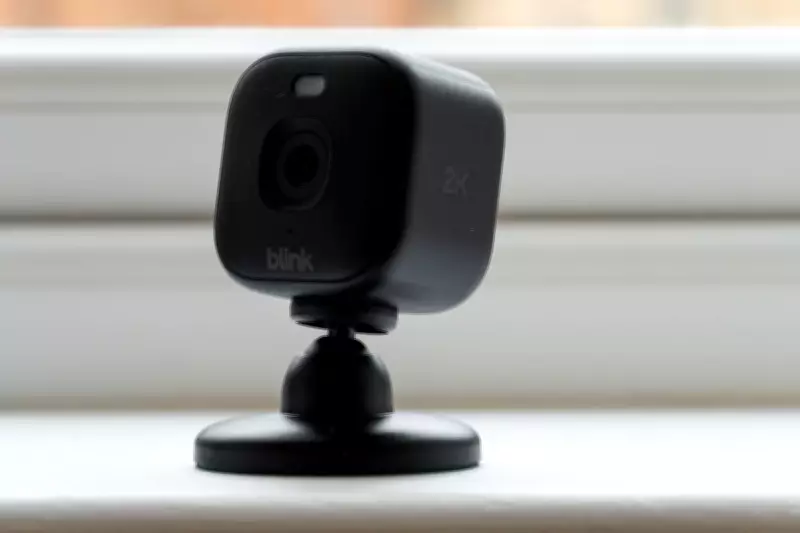
Examples of applications that prioritise simplicity include Blink, which caters to the budget-conscious segment of the market, and Tapo by TP-Link. Ultimately, there is no one-size-fits-all home security camera. By considering these five factors and determining which are most valuable to your specific circumstances, you can confidently select the ideal camera to safeguard your home.