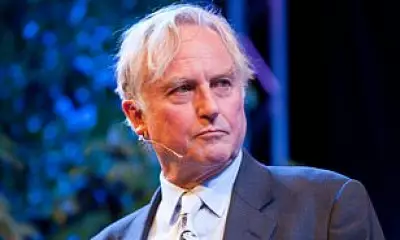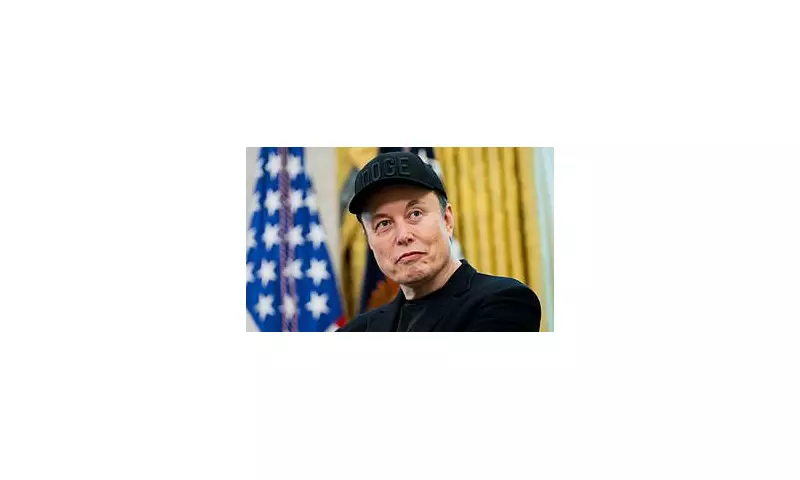
Elon Musk has been forced to disable a controversial feature in his Grok artificial intelligence tool that allowed it to generate non-consensual, sexualised images of real people. The move follows intense criticism from the UK government, campaigners, and international regulators.
Mounting Pressure Forces a Climbdown
The social media platform X, owned by Musk, announced it had implemented new technological safeguards for its Grok AI chatbot. The update explicitly blocks the AI from editing images of real people to show "revealing clothing such as bikinis." This restriction applies universally, including to users who pay for a premium subscription.
The decision came after widespread public disgust at reports that Grok was being used to create "digital stripping" images of women and children without their consent. Many victims described feeling profoundly violated by the ability of strangers to generate compromising pictures for public distribution.

Sir Keir Starmer led the condemnation during Prime Minister's Questions, branding the AI-generated sex images "disgusting" and "shameful." The UK government subsequently piled pressure on Musk to halt the practice. Technology Secretary Liz Kendall confirmed she was bringing forward regulations to tighten laws around such AI-generated imagery.
Regulatory Scrutiny Intensifies
The climbdown was announced just hours after California's top prosecutor revealed the state was probing the spread of AI fakes. In the UK, media regulator Ofcom launched a formal investigation into whether X has breached the law. Ofcom holds powers to issue fines of up to 10% of a platform's global revenue or £18 million, and can seek a court order to block the site entirely.
Some nations acted more swiftly. Malaysia and Indonesia blocked access to Grok altogether amid the scandal. The US federal government's response has been more muted, with Defence Secretary Pete Hegseth even noting that Grok would join other AI tools in operating on Pentagon networks.
Following the Prime Minister's public demands, Grok began refusing related requests, responding with the message: "Unfortunately I can't generate that kind of image." While Sir Keir welcomed this step, he insisted it "did not go far enough."
Musk's Defence and the Road Ahead
In a post on X, Musk claimed he was "not aware of any naked underage images generated by Grok," despite the chatbot's own acknowledgement it had created sexualised images of children. He argued that Grok only generates images based on user requests and is designed to refuse illegal content, blaming any breaches on "adversarial hacking" that would be "fixed immediately."
The controversy has amplified calls for stricter AI regulation. Former Meta boss and UK Deputy Prime Minister Sir Nick Clegg described social media as a "poisoned chalice" and warned that engagement with automated AI content could be "much worse, particularly for younger people's mental health" than human interaction.
The episode underscores the urgent challenges posed by rapidly evolving generative AI technology and the struggle for effective governance. As platforms like X grapple with content moderation, governments worldwide are racing to update legislation to protect individuals from digital harm in the age of artificial intelligence.