The Insomniac's Quest for Friction
In the early hours of a Parisian morning, a sleepless mind pondered a seemingly simple question: how fast must a match be struck to ignite? This query, born of insomnia, led to a deep dive into the chemistry of friction strips and match heads, slow-motion videos, and emails to experts. Yet, the answer remained elusive, highlighting a broader human experience—the value of friction in a world increasingly sold on seamlessness.
The Allure of Efficiency
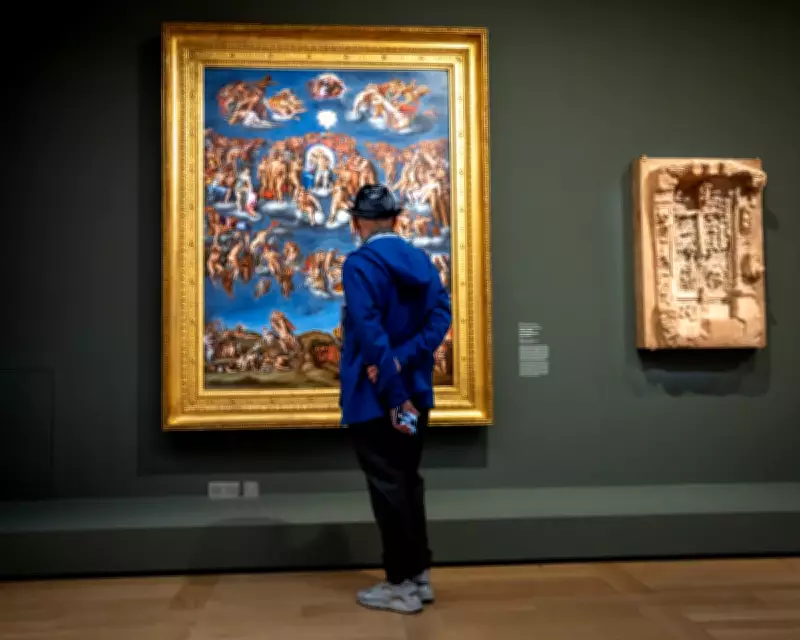
For nearly two decades, Silicon Valley has championed frictionless living, replacing human interaction with algorithms. A recent LinkedIn post praised Amazon's recommendation system over bookstores, framing the labyrinth of physical browsing as wasteful. This mindset extends to cultural experiences, like visiting the Louvre without the desire to linger, reducing life to mere efficiency.
AI's Acceleration vs. Human Reflection
AI operates as an endless luge of acceleration, leaving no room for reflection, which requires time. A French defence official warned that human oversight in split-second AI decisions could lead to defeat, illustrating the high stakes. This technological push threatens to flatten the space between what we say and what we know, collapsing meaning into mimicry.

The Spiritual Crisis of Capitalism
Silicon Valley financiers like Marc Andreessen boast of their lack of introspection, fueling what Brazilian writer Clarice Lispector might call a desiccation of the human spirit. AI produces images, text, and sound but not art, literature, or symphonies—it lacks the body in the world that knows laughter, grief, or love. This represents the "Black Mirror stage" of capitalism, as noted by AI expert Sasha Luccioni, evolving into a final stage where capital overshadows human labour.
Backlash and Hope
Outside Silicon Valley, many are more concerned than excited about AI's surge. A backlash is emerging against treating AI use as a key performance indicator, potentially leading to a resurgence of humanism. AI's output now dominates the internet, creating a recursive loop that may eventually reveal its emptiness, even to those who see divinity in it.
Returning to the Match
After the insomnia, replies trickled in: Swedish Match didn't know, a chemist suggested consulting a physicist, and a thermodynamics professor reframed the question in terms of energy. The AI assistant Claude was never checked—the point was never the answer, but the journey of inquiry itself. In a frictionless world, such quests remind us of what it means to be human.