In July 2025, photographer Paula Hornickel visited a care home in Albershausen, a small town in south-west Germany, where a social robot named Emma was being piloted. The robot, about the height of a toddler with large googly eyes and a red hat knitted by a care worker, was introduced to residents. The first resident she met was called Peter, after which Emma assumed all residents were called Peter, causing much amusement. However, Emma then broke down, shattering the illusion.
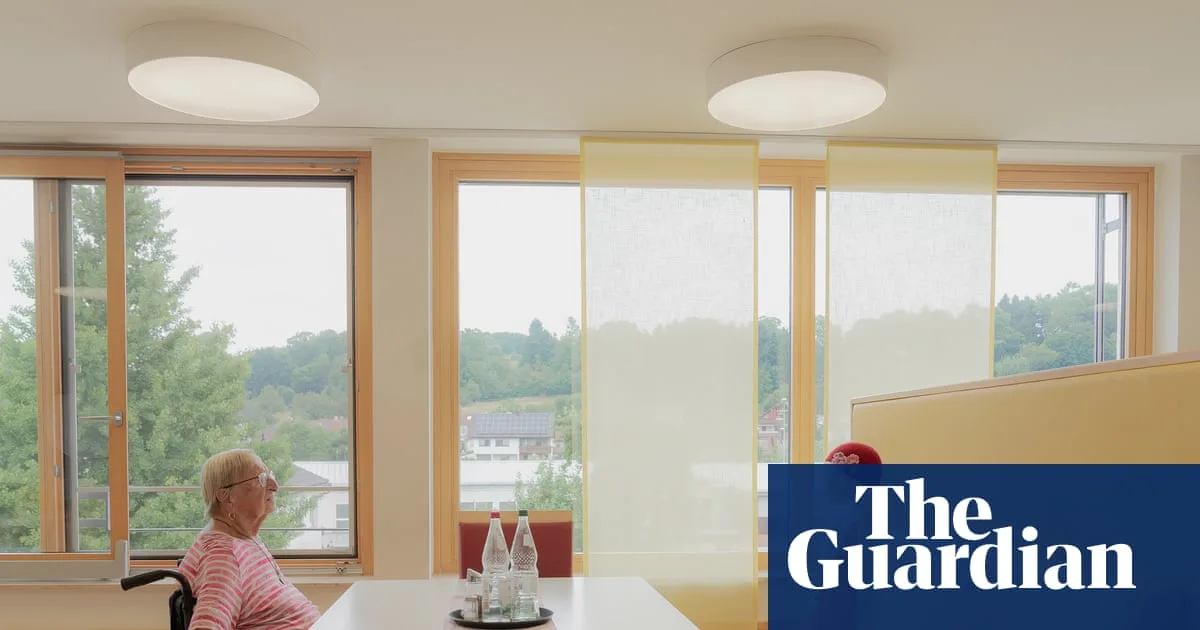
Later, Hornickel captured a photograph of Emma with resident Waltraud in the dining room. The two sat facing each other at eye level, discussing flowers. Waltraud is passionate about flowers, and Emma, equipped with artificial intelligence, has extensive knowledge and can remember past conversations and recognise faces. The image, part of Hornickel's photo essay Anthrobocene, explores human-robot encounters in everyday life in Germany.
The robot was developed by a Munich-based startup and is one of two being used in care homes to address staff shortages and encourage conversation among residents. Waltraud admitted she was initially sceptical but eventually built a relationship with Emma, primarily for entertainment, as the robot can also tell jokes. However, she emphasised that she would still prefer human contact, noting the profound loneliness experienced by many in care homes.
Hornickel began photographing robots after a hospital in her hometown started using them to relieve staff. She visited various institutions, including a fire department, research centres, and a theatre company using a robot performer. She observed that while AI advances rapidly, building humanoid robots is challenging. Everyone she spoke to felt robots should complement, not replace, human care. Emma uses data and probability to simulate care but lacks consciousness or lived experience.
Hornickel was surprised by residents' engagement with Emma and their openness to the technology. She believes the image reflects the reality of the care sector, where overstretched systems, exhausted workers, and a loneliness epidemic may lead to robots taking on more tasks. The photograph also mirrors society's growing interactions with chatbots, raising questions about the role of robots as companions rather than mere tools.