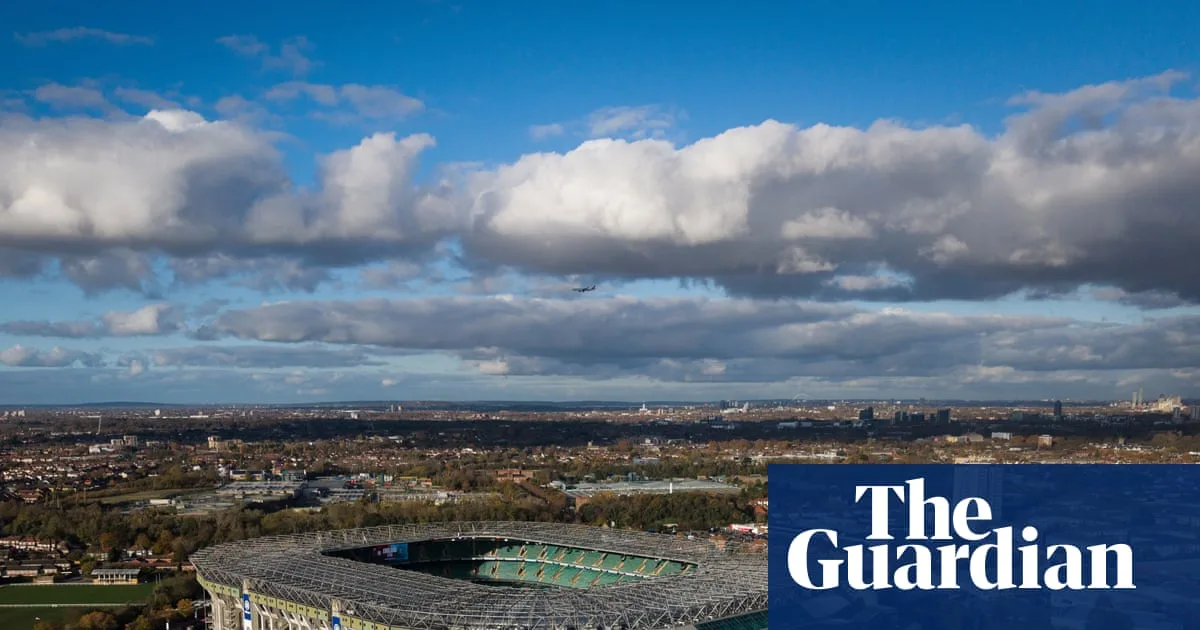
The Rugby Football Union (RFU) is proposing a revamp of Twickenham railway station and the deployment of undercover police officers on matchdays to address opposition to plans for more concerts at the stadium. The RFU wants to increase non-sporting events from three to 15 per year to help fund a £660m stadium upgrade, but faced a setback last year when Richmond Council expressed concerns over transport links and maintained a limit of three concerts annually, with only one not on a Saturday.
At a drop-in session on Tuesday, the RFU will present plans that include doubling passenger capacity per train at Twickenham station, introducing plain-clothes officers and civil enforcement officers to tackle antisocial behaviour, and using temporary barriers in alleyways. The RFU intends to resubmit planning and licensing applications after local elections in May, with chief executive Bill Sweeney expressing confidence that previous hurdles can be overcome.
Currently, around 38,000 spectators use Twickenham station on matchdays, representing 45% of attendees, leading to road closures lasting up to three and a half hours. The RFU hopes to increase usage of Tube lines from Richmond and Hounslow East from 2% to 10% through better signage and education. The union has cited lost revenue due to engineering works and is frustrated that venues like Wembley and Tottenham Hotspur Stadium can host more concerts under looser restrictions.
Opposition from residents, with 192 representations against the RFU's proposal and 13 in favour at a licensing subcommittee meeting, centres on antisocial behaviour. The RFU has previously suggested measures such as anti-pee paint and now plans to use undercover officers to issue fixed penalty notices. Sweeney has warned that the RFU could leave Twickenham if extra events are not approved, despite contributing over £90m to the local economy annually.