Australian Open Stars Voice Privacy Concerns Over Behind-the-Scenes Cameras
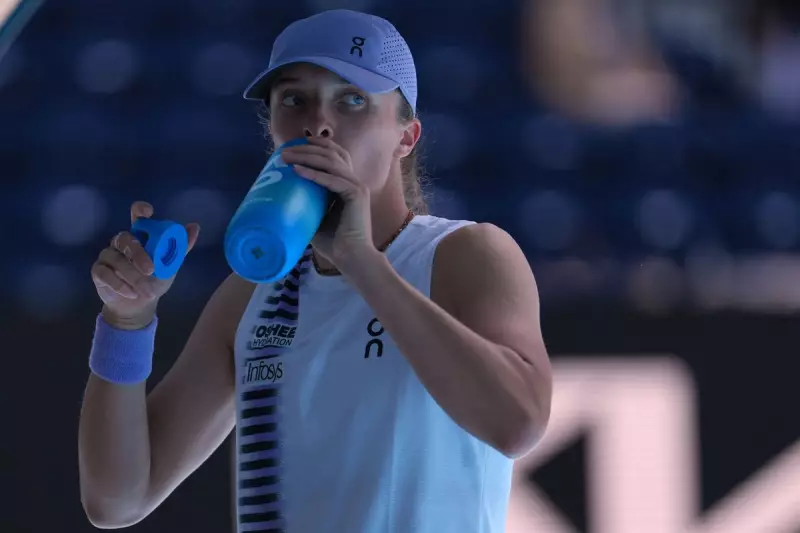
Top tennis players at the Australian Open have expressed significant frustration over the tournament's extensive behind-the-scenes camera surveillance, with world number two Iga Swiatek backing Coco Gauff's criticism and suggesting competitors are made to feel like "animals in a zoo".
'Are We Tennis Players or Animals in a Zoo?'
Following her quarter-final defeat to Elena Rybakina, Iga Swiatek delivered a powerful critique of the constant observation players face off-court. "The question is, are we tennis players, or are we animals in a zoo where they are observed even when they poop, you know?" Swiatek remarked, before clarifying she was exaggerating for effect. "Okay, that was exaggerating obviously, but it would be nice to have some privacy. It would be nice also to have your own process and not always be, like, observed. It would be nice to have some space where you can do that without the whole world watching."
Swiatek emphasised the distinction between players' professional obligations and their personal moments. "For sure it's not simple," she continued. "I don't think it should be like that, because we're tennis players. We're meant to be watched on the court and in the press. That's our job. It's not our job to be a meme when you forget your accreditation."

Gauff's Racket Smash Broadcast Sparks Outrage
The issue gained prominence after Coco Gauff's emotional reaction to her quarter-final loss to Elina Svitolina was captured and widely shared. The world number three was filmed smashing her racket seven times in a private area, footage which quickly circulated on social media platforms.
Gauff explained she had deliberately sought a location she believed was free from cameras to release her frustration privately, rather than directing it at her support team. "I tried to go somewhere where there was no cameras," Gauff stated post-match. "I kind of have a thing with the broadcast. I feel like certain moments – the same thing happened to Aryna after I played her in the final of the US Open – I feel like they don’t need to broadcast."
Expressing her disappointment, Gauff revealed: "I tried to go somewhere where they wouldn’t broadcast it, but obviously they did. So maybe some conversations can be had, because I feel like at this tournament the only private place we have is the locker room."
Balancing Fan Access with Player Privacy
While the backstage cameras occasionally provide light-hearted content for fans – such as footage of Swiatek being asked for her accreditation by security – players argue the constant surveillance crosses professional boundaries. Swiatek acknowledged the entertainment value but questioned its necessity. "It’s funny, for sure. People have something to talk about, but for us I don't think it's necessary."
The situation highlights an ongoing tension in modern sports broadcasting between providing exclusive behind-the-scenes access for audiences and respecting athletes' need for private spaces to process intense emotions away from public scrutiny.
As the Australian Open progresses, the calls from Swiatek and Gauff for greater privacy protections and designated camera-free zones are likely to prompt discussions between player representatives and tournament organisers about revising surveillance policies at future Grand Slam events.