Tennis Stars Slam Australian Open's 'Zoo Animal' Surveillance
Swiatek, Gauff Slam Australian Open's 'Zoo Animal' Cameras

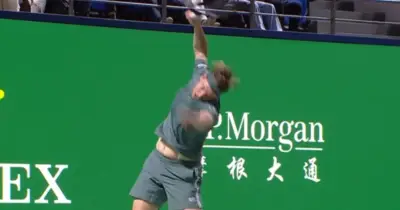
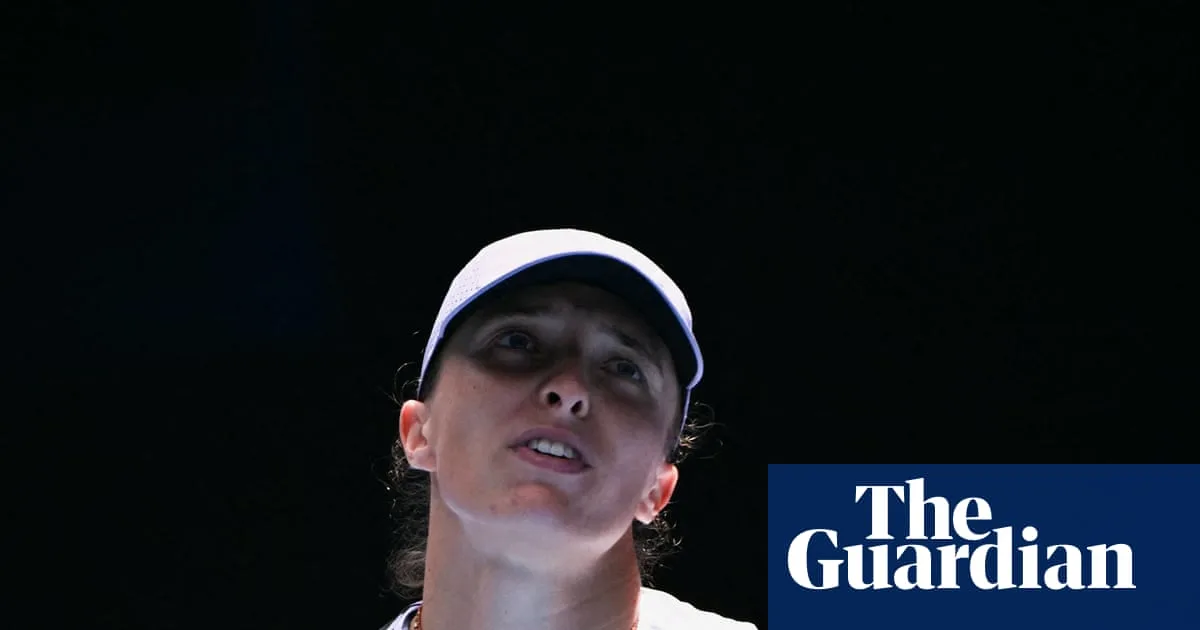
The controversy surrounding the Australian Open's extensive behind-the-scenes filming has escalated dramatically, with world number two Iga Swiatek delivering a scathing critique, suggesting players are being treated 'like animals in a zoo'. This follows earlier comments from American star Coco Gauff, who indicated that serious 'conversations can be had' regarding the pervasive presence of cameras in player-only areas.

Swiatek's Blunt Comparison to Zoo Animals

Following her quarter-final defeat to Elena Rybakina, Swiatek expressed profound frustration. 'The question is, are we tennis players or are we animals in a zoo where they are observed even when they poop, you know?' she stated, before acknowledging the exaggeration but emphasising the core issue. 'OK, that was exaggerating obviously, but it would be nice to have some privacy.' She argued that while observation on court and in press conferences is part of the job, constant surveillance elsewhere is intrusive and unnecessary.

A Plea for Private Spaces

Swiatek highlighted the contrast with other major tournaments, praising venues like Wimbledon's Aorangi practice courts and Roland Garros's adjacent Jean-Bouin club, which offer accredited-only or private practice areas. 'There are some spaces that you can at least go when you need to,' she noted, 'but there are some tournaments where it’s impossible and you are constantly observed, if not by the fans... then by the cameras.' Her comments underscore a growing demand for designated private zones where athletes can process emotions and prepare without global scrutiny.

Gauff's Fury Over Broadcasted Moment

The issue gained prominence when footage of Coco Gauff smashing her racket backstage after a quarter-final loss was broadcast worldwide. Gauff was reportedly furious that a moment she believed to be private was shared with a global audience, sparking the initial player backlash. This incident has become a focal point in the debate over the ethical boundaries of sports broadcasting.

Past Invasions and 'Meme' Culture

Swiatek referenced her own experiences, including being filmed in tears on a massage bed after a gruelling match at the 2024 French Open, and a recent incident at the Australian Open where she forgot her accreditation pass. That moment was packaged by UK broadcaster TNT for light-hearted content. 'It’s not our job to be a meme when you forget your accreditation,' Swiatek asserted. 'Oh, it’s funny, yeah, for sure. People have something to talk about, but for us I don’t think it’s necessary.'

Other Players Echo Concerns

Amanda Anisimova, who lost to Jessica Pegula in an All-American clash, managed to avoid the cameras' prying eyes by keeping her head down. 'I knew the cameras were there so I just kept my head down and went to the locker room,' the 24-year-old explained. She acknowledged the duality of the situation: 'There are good moments, obviously, that people see and that’s fun. Then when you lose there are probably not-so-good moments. The fact the video of Coco that was posted, it’s tough because she didn’t have a say in that.'

Tournament Organisers Respond

In a formal statement, Australian Open officials defended their approach, stating: 'Striking the right balance between showcasing the personalities and skills of the players, while ensuring their comfort and privacy is a priority for the AO.' They listed private facilities provided, including a quiet room, strategy rooms, a sleep room, and private locker rooms. The statement explained that cameras in operational areas are 'designed to provide fans with a deeper connection to the athletes and help them build their fan base.'

The Core Conflict: Access vs. Privacy

This row highlights a fundamental tension in modern sports entertainment: the insatiable demand for behind-the-scenes access versus the athletes' right to personal privacy and emotional space. As the Australian Open continues, with Rybakina set to face Pegula in the semi-finals, the debate over surveillance ethics is likely to persist, challenging tournament organisers worldwide to reconsider their filming policies in player areas.