Featherstone's Silent Sundays: A Rugby League Town Loses Its Heartbeat
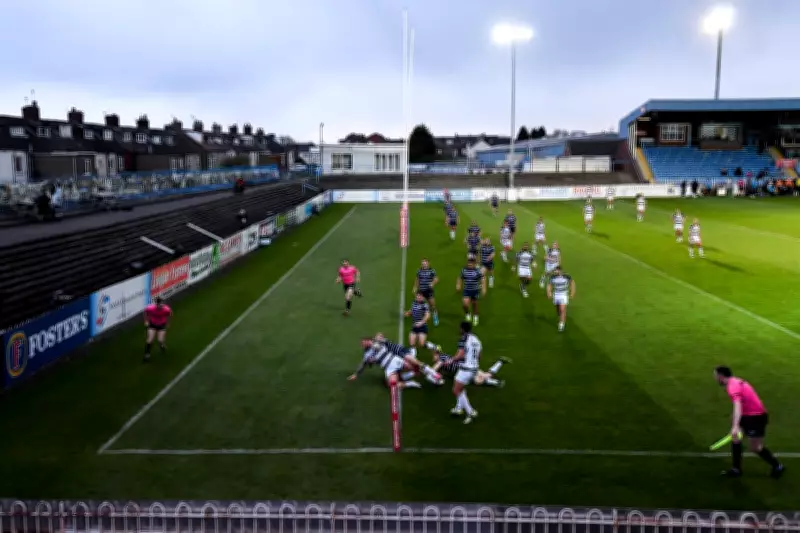
On a typical Sunday afternoon in Featherstone, West Yorkshire, the streets should be alive with the buzz of rugby league fans. Supporters would flock to the Railway pub, just a stone's throw from Featherstone Rovers' Post Office Road stadium, gearing up for a match against rivals like Swinton Lions. Yet, this spring, the scene is starkly different: deserted streets, an empty pub, and chained stadium gates. For the first time in over a century, Featherstone has lost its professional rugby club, leaving a profound void in a community where the sport is more than just a game—it's a way of life.
A Century-Old Tradition Halted by Financial Turmoil
Featherstone Rovers, a storied name in rugby league with Challenge Cup victories in the 1980s, were placed into administration at the end of last season. The club's debts totalled nearly £3 million, a staggering sum in the part-time rugby league world. A rescue bid involving former owners was rejected by the Rugby Football League (RFL), resulting in the club's exclusion from the RFL Championship this season. This marks the first absence from professional competition since 1921, devastating a town where around 20% of the 15,000-strong population regularly attend matches.
Jon Trickett, MP for Normanton and Hemsworth, emphasises the deep connection: "Sport is in people's blood here. Featherstone and Rovers are intertwined—it's who we are. Without the club, there's a sense of identity and purpose missing." The impact extends beyond the pitch, with local businesses reporting a significant drop in footfall. One owner noted that matchdays accounted for at least a third of their annual income, a critical blow in an area ranked among the UK's most income-deprived.

Economic and Social Ripples in a Struggling Community
The loss of Featherstone Rovers is not merely a sporting setback; it's an economic and social crisis. The town, once built on coal mining, has already endured the closure of its staple industry. Now, the absence of rugby league compounds these hardships. Trickett describes it as a "double hammer blow," stripping away a source of community joy and economic activity. In a region where rugby league is the most famous export, the club's absence dictates the entire mood, leaving residents feeling adrift.
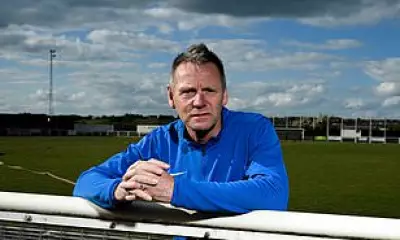
Efforts are underway to revive the club by 2027, with consortiums expressing interest in taking it out of administration. The True Blue Revival fans' group has raised £20,000 to support potential new owners. Among the bidders is Paul Cooke, former head coach and a Hull FC and Hull KR great, who draws parallels to his upbringing in east Hull. "Sundays and rugby games bind together communities like these," Cooke says. "It feels like the town has lost its soul."
Challenges and Hopes for a Future Revival
The revival efforts face significant hurdles, including concerns over asset-stripping due to valuable land around the stadium. Local councillors have warned of risks, urging the administrator and RFL to ensure any new ownership avoids past mistakes. Cooke, who went unpaid with his players during the crisis, insists his loyalty lies with the town. "The greed of prior people cannot happen again," he asserts, highlighting the RFL's tough stance in denying the previous ownership's return.
Cooke remains committed to restoring joy to Featherstone's Sundays, a sentiment echoed by the community. The scramble for ownership will continue through the summer, but the challenge is clear: it's not just about reviving a rugby league club—it's about rediscovering the soul and identity of a town that has long defined itself through the sport. As Featherstone waits, the hope is that this storied name can return, bringing back the heartbeat that has been missing from its quiet streets.