The Dark Side of Winter Olympic Glory: Fatal Crashes That Haunt the Games
The Winter Olympics, celebrated for breathtaking athletic feats on snow and ice, carry a somber legacy of tragedy. Throughout the history of the games, several athletes have lost their lives in horrific accidents, with luge and downhill skiing emerging as particularly perilous disciplines. These incidents, often witnessed by thousands, have cast long shadows over the festivities and prompted urgent safety reforms.
Nodar Kumaritashvili: A Georgian Luger's Dream Cut Short
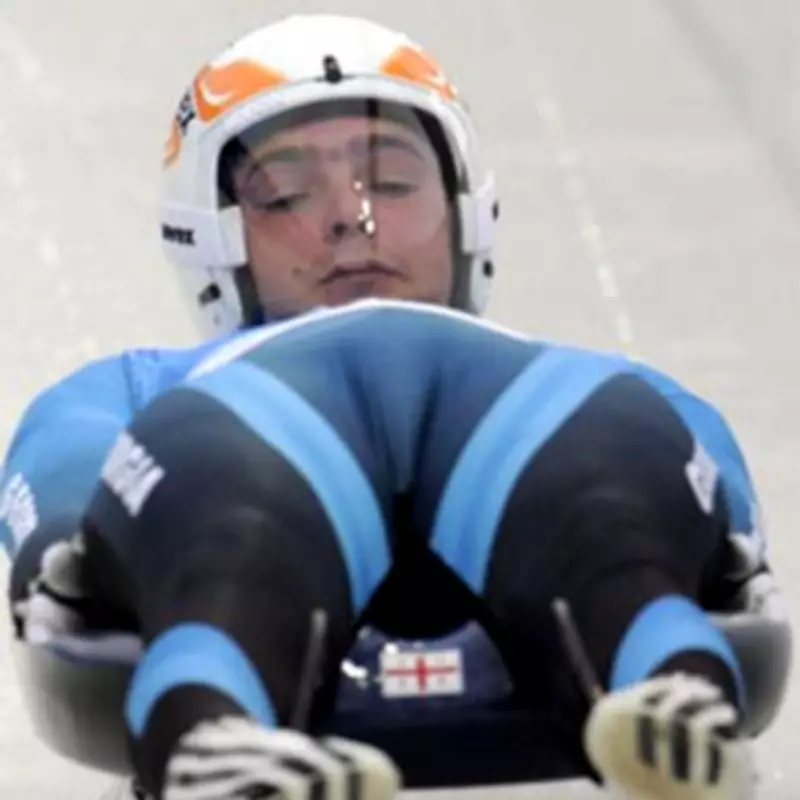
In 2010, the Vancouver Olympics were marred by a devastating incident that occurred just hours before the opening ceremony. Nodar Kumaritashvili, a 21-year-old Georgian luger with a promising career ahead, was participating in his final training run. Tragically, he lost control of his sled at high speed and crashed head-first into an unpadded metal pole. The violent impact proved fatal, and his death was captured on camera, shocking viewers worldwide.
Jacques Rogge, then president of the International Olympic Committee, acknowledged that the tragedy "clearly casts a shadow over these games." The Georgian delegation, led by Irakly Japaridze, expressed deep shock and uncertainty about whether to continue participating. An immediate investigation was launched by the local organizing committee to ensure a safe field of play.

British luger Adam Rosen, who had dislocated his hip on the same track months earlier, commented on the precision required: "You have to be very exact on certain parts of the track otherwise they could be disastrous." Andi Schmid, performance director for British skeleton, emphasized the need for caution to prevent these sports from becoming "dangerous killer sports."
Investigations and Safety Overhauls in Luge
Following Kumaritashvili's death, the International Luge Federation conducted a thorough inquiry. The conclusion pointed to human error as the primary cause, but it also led to significant changes in luge course construction. Previously, athletes could reach speeds exceeding 90 miles per hour, but new safety measures were implemented. These included padding on beams and higher walls, designed to limit speeds to approximately 87 mph and reduce the risk of catastrophic crashes.
Other Fatal Winter Olympic Incidents
The dangers extend beyond luge. In 1992, during the Albertville Games, Swiss speed skier Nicolas Bochatay, aged 27, died in a training crash. While warming up on a public slope adjacent to the competition area, he collided with a moving snow-grooming machine. Hugo Steinegger, a spokesman for the Olympic organizing committee, noted that the machine was sounding a siren and flashing lights at the time. Bochatay died on impact, highlighting the risks even outside official race courses.
Downhill skiing has also claimed lives. At the 1964 Innsbruck Games, 19-year-old Australian skier Ross Milne died from head injuries after losing control during a training run and crashing into a tree. In a separate incident during the same games, Kazimierz Kay-Skrzypecki, a 58-year-old British luger and former Royal Air Force pilot, sustained multiple fractures, including to his skull and pelvis, in a training crash. He passed away during surgery the following day, just eight days before the opening ceremony.
These tragedies underscore the extreme risks inherent in winter sports, where athletes push the limits of speed and control. While the Olympics continue to inspire with displays of human endurance and skill, the memories of those who perished serve as a poignant reminder of the price sometimes paid in pursuit of glory.