Ukrainian Skeleton Star Challenges Olympic Rules with Banned Helmet
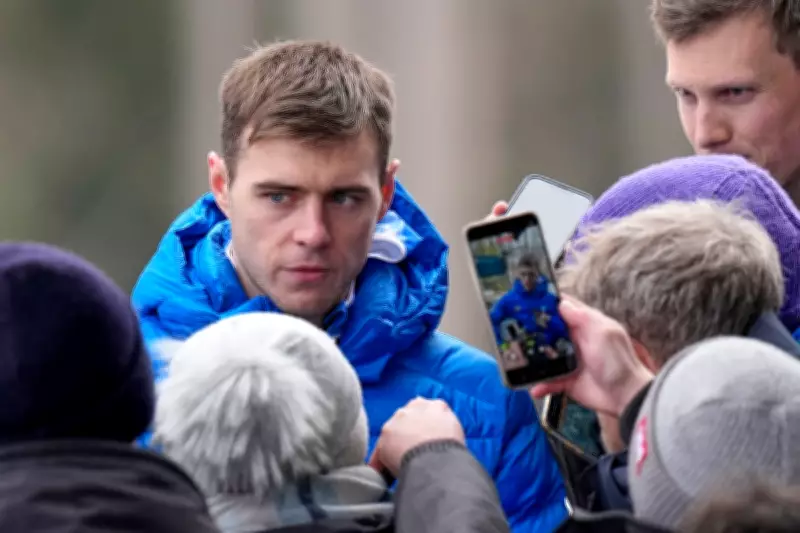
As the men's skeleton competition commences at the Milan Cortina Winter Olympics, all attention is focused on Ukrainian athlete Vladyslav Heraskevych. The central question dominating the sliding events is whether Heraskevych will proceed with his intention to wear a helmet that has been explicitly banned by Olympic authorities.
A Tribute That Tests Olympic Boundaries
The controversial helmet serves as a poignant memorial to Ukrainian athletes and coaches who have lost their lives during the ongoing conflict with Russia. Heraskevych has made it clear that he intends to wear this tribute piece during competition, despite the International Olympic Committee's firm stance that it violates regulations prohibiting political statements during Olympic events.
The IOC has declared the helmet inappropriate for competition, creating a significant dilemma for both the athlete and the Olympic governing body. Should Heraskevych proceed with his plan, he faces potential sanctions that could extend to complete disqualification from the Games. This places the IOC in an extremely delicate position, as removing an athlete for honouring war victims would undoubtedly generate substantial international criticism and controversy.

Precedent of Support from Olympic Authorities
This is not the first time Heraskevych has tested Olympic boundaries with political expressions. During the 2022 Beijing Winter Olympics, the Ukrainian skeleton racer displayed a "No war in Ukraine" sign following his final run. On that occasion, the IOC determined that his action constituted a call for peace rather than a political statement, and he was not found to be in violation of the Olympic charter.
IOC spokesman Mark Adams expressed the committee's position on Wednesday, stating: "We want him to compete. We really, really want him to have his moment. That's very, very important. We want all athletes to have their moment and that's the point. We want all our athletes to have a fair and level playing field."
Medal Hopes and Moral Convictions
The skeleton competition unfolds with the first two runs scheduled for Thursday, followed by the final two runs on Friday evening. Heraskevych enters the event as a legitimate medal contender, adding further complexity to his decision. The Ukrainian athlete appears willing to jeopardize his Olympic medal prospects to honour those he considers national heroes.
This situation highlights the ongoing tension between Olympic regulations and athletes' personal convictions, particularly in contexts of international conflict. The outcome will set an important precedent for how sporting authorities balance their rules against humanitarian expressions during global competitions.