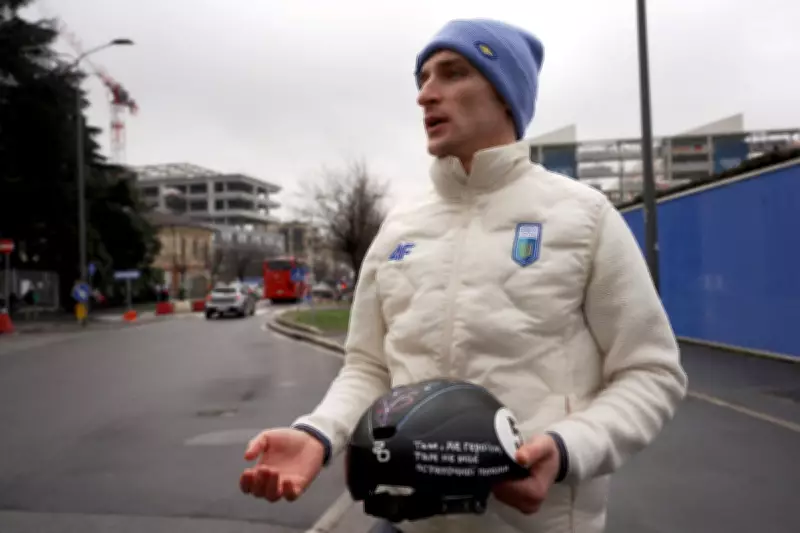
In a developing controversy at the Winter Olympics, Ukrainian short track speed skater Oleh Handei has become the second athlete from his nation to be embroiled in a helmet-related dispute, as officials instructed him to cover up an inspirational message deemed "war propaganda." This incident follows the recent ejection of fellow Ukrainian athlete Vladyslav Heraskevych, a skeleton racer, for his "helmet of remembrance" that depicted athletes killed since Russia's invasion of Ukraine.
Details of the Helmet Message
Handei's helmet featured a quote from renowned Ukrainian writer Lina Kostenko, which read: "Where there is heroism, there can be no final defeat." The athlete intended this message as a source of personal motivation and a tribute to Ukrainian resilience during ongoing conflicts. However, Olympic authorities ruled that it violated the International Olympic Committee's (IOC) strict policies against political statements at Olympic sites or venues.
International Olympic Committee's Stance
The IOC enforces regulations that prohibit athletes from making any political demonstrations or statements during the Games, aiming to maintain a neutral and inclusive sporting environment. This has led to the rulings against both Handei and Heraskevych, with officials asserting that their helmet messages constitute unauthorized political expression.

Athletes' Responses and Arguments
Both Ukrainian athletes have publicly defended their actions, arguing that their messages are not intended as propaganda but rather as reminders of Ukraine's existence and its urgent need for international support amidst the ongoing war. Handei denied that his helmet quote promotes war, stating it is purely inspirational, while Heraskevych emphasized the memorial aspect of his helmet design.
Broader Implications and Reactions
This helmet dispute highlights the tension between athletic expression and Olympic neutrality, particularly in contexts of global conflict. It has sparked debates about the boundaries of political messaging in sports and the role of athletes as advocates for their nations. The incidents have drawn attention from international media and raised questions about how the IOC balances its rules with humanitarian concerns.
As the Winter Olympics continue, the situation underscores the challenges faced by Ukrainian athletes competing under the shadow of war, and it may influence future discussions on Olympic policies regarding athlete expression and solidarity.