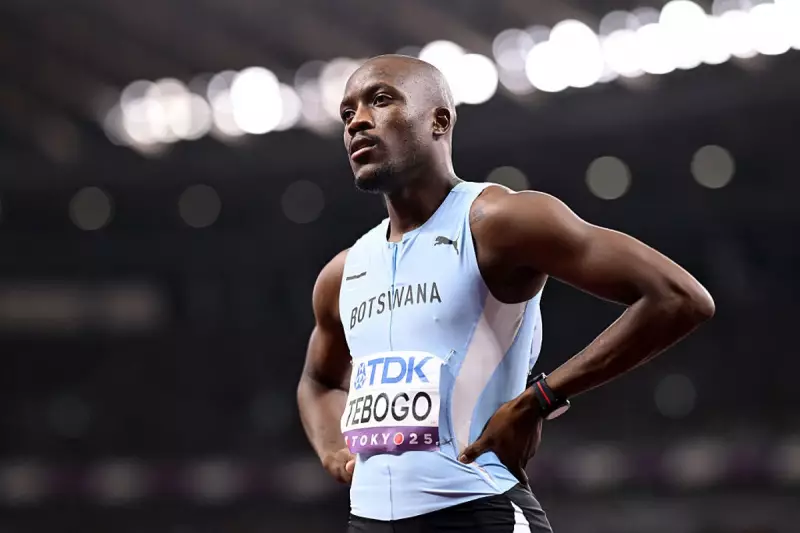
Botswana's first-ever Olympic gold medallist, sprinter Letsile Tebogo, has publicly disclosed that three separate nations attempted to recruit him following his historic success at the Paris 2024 Games.
The Lucrative Offers on the Table
The 22-year-old athlete, who soared to fame by winning gold in the 200 metres and later securing a silver in the 4x400m relay, revealed the approaches in an interview with Botswana's Duma FM radio station. Tebogo stated that Qatar, the United Arab Emirates (UAE), and Tunisia had all put concrete "offers on the table" in a bid to secure his sporting allegiance.
"Those are the three offers that are there on the table, and we are still trying to see," Tebogo explained. "We told them what we are worth, and they are promising to up their game." The sprinter suggested the financial incentives from these countries could far exceed the rewards from his homeland, which included a newly built three-bedroom house from the government for his gold medal and a two-bedroom flat for his relay silver.

Why the Champion Ultimately Said No
Despite the tempting proposals, Tebogo confirmed that all offers were ultimately rejected. A significant factor in his decision is the current World Athletics regulation that mandates a waiting period for athletes who change nationality.
"We had to be considerate, being out of the sport for I think four years, before you can migrate into the other country," Tebogo added, highlighting the career hiatus required. The official rule stipulates a three-year wait after an athlete's last competition for their original country before they can represent a new nation, barring exceptional circumstances.
For a champion at the peak of his powers, following his 200m triumph and a subsequent 4x400m relay gold at the 2025 World Championships in Tokyo, such a lengthy break was deemed unacceptable. "So, for now there is no offer on the table," the 22-year-old concluded.
A Growing Trend in Global Athletics
Tebogo's revelation shines a light on the increasingly common practice of nations seeking to bolster their sporting prestige by recruiting elite talent. His experience is not isolated; earlier in 2025, Nigerian sprinter Favour Ofili confirmed a switch to represent Turkiye, citing "negligence" from her home country's athletic bodies.
While Tebogo's pride in representing Botswana appears to have won out on this occasion, his disclosure underscores the intense financial and political pressures faced by modern athletes. The offers from wealthy Gulf states and other nations present a complex dilemma, weighing national pride against potentially life-changing professional and financial support.