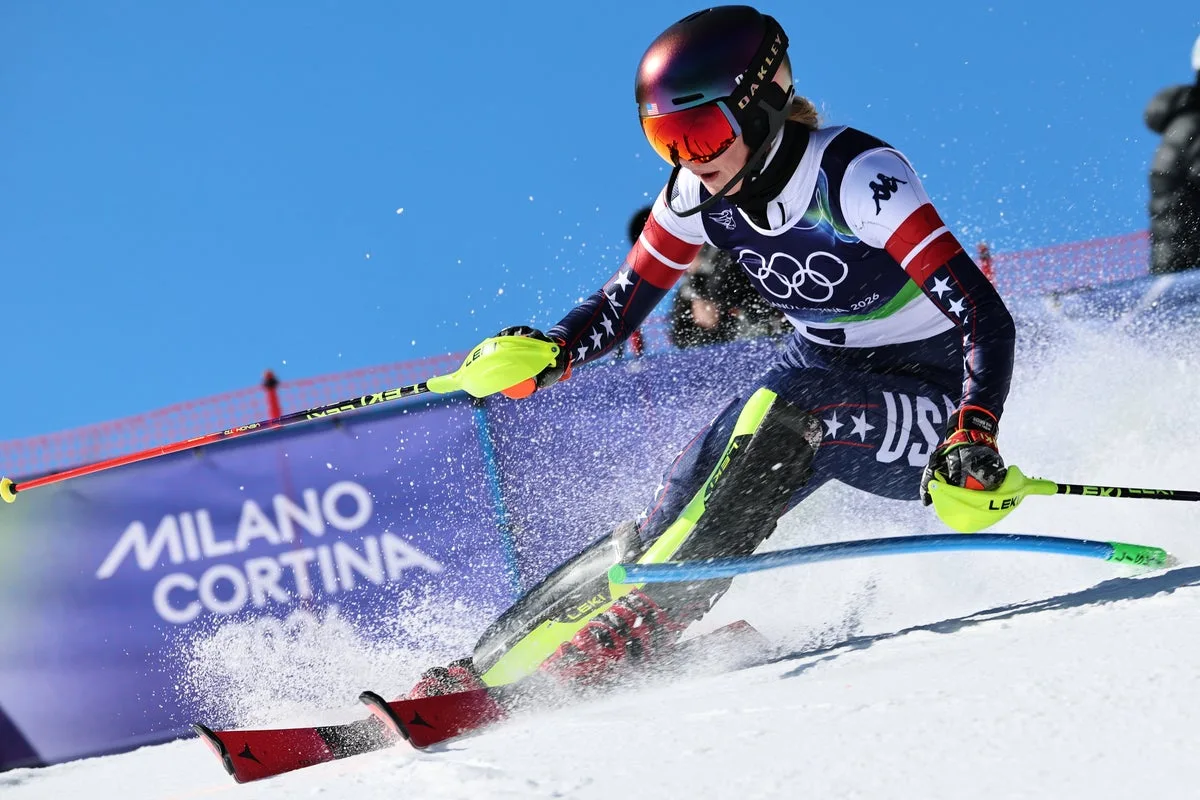
Alpine skiing superstar Mikaela Shiffrin has emphatically ended her Olympic medal drought by clinching the gold medal in the women's slalom event at the Milano-Cortina 2026 Winter Olympics. This victory represents her first Olympic gold since Pyeongchang 2018 and marks a triumphant return to the pinnacle of her sport after a challenging period at the Beijing Games.
A Dominant Performance on the Slopes
Shiffrin delivered an imperious display of skill and precision, setting the fastest time in both runs of the slalom competition. In the second run, she extended her lead to a commanding 1.5 seconds, showcasing her dominance in a discipline where she holds an impressive 71 World Cup wins. This performance underscores her status as one of the greatest slalom skiers in history.
Overcoming Past Setbacks
The gold medal comes as a significant redemption for Shiffrin, who failed to medal in any of her six races at the Beijing 2022 Olympics. By returning to form in her strongest event, she has silenced critics and reaffirmed her resilience and dedication to the sport. This win adds to her Olympic legacy, which includes a giant slalom gold from 2018 and a historic slalom gold as an 18-year-old at Sochi 2014.
Podium Finishers and Competition
Switzerland's Camille Rast secured the silver medal with a strong performance, while Sweden's Anna Swenn-Larsson earned the bronze. The competition highlighted the high level of talent in women's alpine skiing, but Shiffrin's unmatched speed and technique ultimately set her apart from the field.
This victory not only breaks an eight-year Olympic gold drought for Shiffrin but also cements her place in skiing history as a multiple-time Olympic champion. Her journey from the disappointments of Beijing to the triumph in Milano-Cortina serves as an inspiring tale of perseverance and excellence in elite sports.