Polar Preet's Historic North Pole Trek to Inspire Women and Girls Worldwide
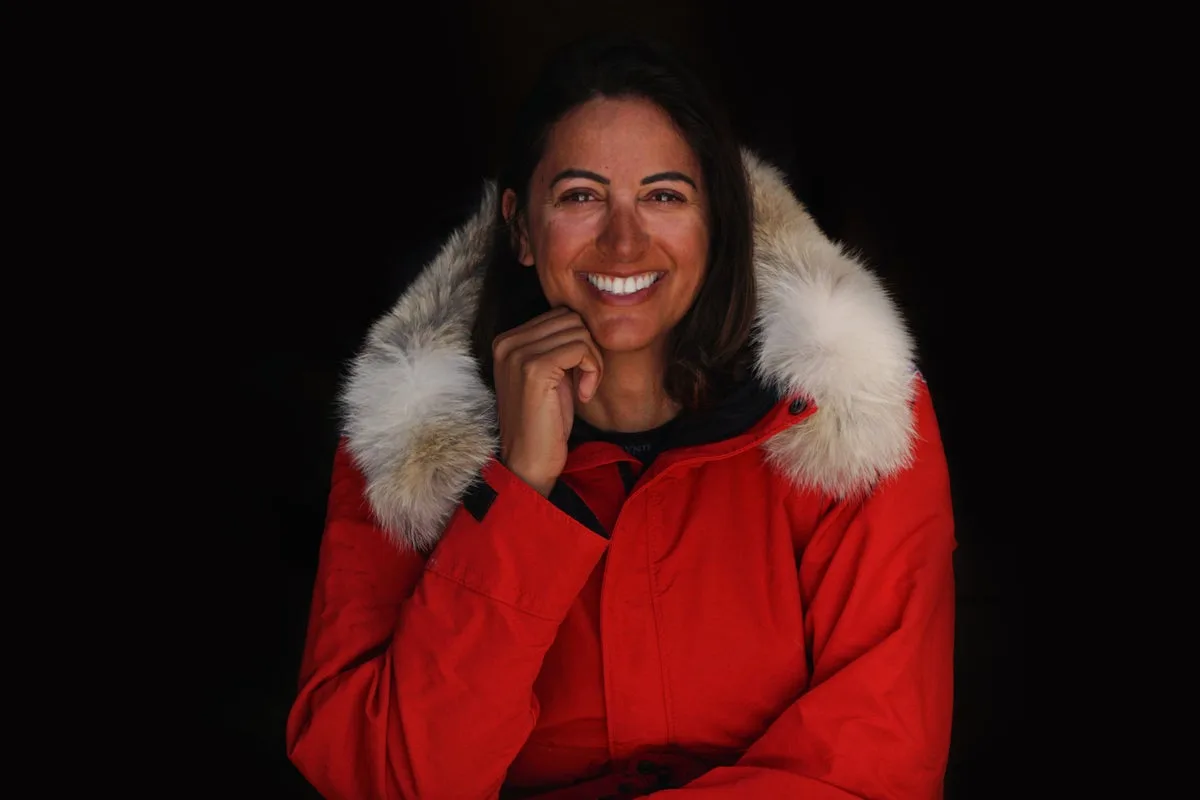
British-Indian explorer Preet Chandi MBE, globally renowned as 'Polar Preet', is embarking on an extraordinary 500-mile solo trek to the North Pole over 60 days. This daring expedition aims to make her the first woman ever to reach the North Pole solo and unsupported, with the broader mission of inspiring women and girls across the globe.
A Trailblazer's Journey from South to North Pole
The 37-year-old former British Army officer and physiotherapist from Derby is no stranger to polar extremes. In 2021, she became the first woman of colour to reach the South Pole solo and unsupported, completing a 700-mile journey that earned her international recognition. Now, she has set her sights on an even more challenging northern conquest.
Ms Chandi's North Pole expedition represents a significant escalation in difficulty. Setting out from Canada, she will haul 130kg of gear on a sledge across one of Earth's most hostile environments, with no outside assistance or resupplies. If successful, she will become the first woman to have completed solo unsupported journeys to both poles.
Facing Extreme Conditions and Uncharted Challenges
The explorer faces formidable obstacles on her approximately 500-mile journey. Temperatures are expected to plummet to -50°C, while navigating a constantly shifting landscape of sea ice presents unique dangers. Perhaps most daunting are the sections of open water she must swim through, with temperatures well below freezing.
"I'm nervous and excited," Ms Chandi admitted before departing for Resolute Bay, Nunavut. "The open water and polar bears are fresh challenges I didn't face in Antarctica. Everything I've earned and every bit of money is being put into this expedition."
Remarkably, no one has attempted this specific trek for 12 years, leaving uncertainty about its feasibility. Unlike her Antarctic journey which occurred on land with 24-hour daylight and involved a drop-off at the start, this expedition requires Ms Chandi to charter her own plane to reach the starting point.
More Than Records: A Mission to Inspire
For Ms Chandi, this expedition transcends personal achievement. "I enjoy pushing my own boundaries," she told The Independent, "but I believe these trips are bigger than me. I want to inspire people and help them push theirs."
Her message particularly resonates with women and those from underrepresented backgrounds. "As a woman, I want to inspire women to show they can do anything," she emphasized. "Six years ago, I had the idea to go to the South Pole. You can be from anywhere, look like anyone, and can do something you know nothing about."
The timing of her departure around International Women's Day adds symbolic weight to her mission. Ms Chandi has witnessed her impact firsthand, recalling how after her South Pole expedition, "I saw little girls dressing up like me for World Book Day. Whether they want to be an explorer or not, the fact they can see themselves in me, I absolutely love that."
From Army Officer to Record-Breaking Explorer
Ms Chandi's journey to polar exploration began with her service as a captain in the Royal Army Medical Corps, where she completed deployments in Nepal, Kenya and South Sudan. Her athletic progression from half-marathons to ultra-marathons gradually evolved into more extreme challenges.
Her 2021 Antarctica expedition marked her first solo polar journey, during which she pulled a 90kg sledge and completed the trek in just over 40 days, becoming the third fastest solo woman to reach the South Pole unassisted. Since then, she has set multiple endurance records, including the longest solo unsupported one-way polar ski journey and the fastest solo, unsupported female ski journey to the South Pole.
Reflecting on her unconventional path to exploration, Ms Chandi revealed: "I was looking for the next challenge. When someone mentioned Antarctica, that became the appeal. I literally typed into Google 'how do you get to Antarctica?'"
Now, as she prepares for her most ambitious expedition yet, her message remains consistent: "This is a solo journey, but it's so much bigger than me. I really want to take people on this journey with me." Her 60-day trek across the Arctic represents not just a physical challenge, but a powerful statement about what women can achieve when they refuse to accept limitations.