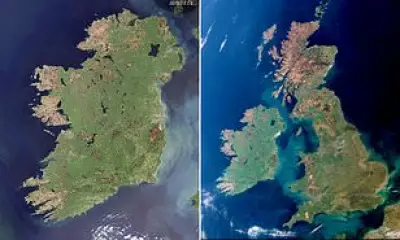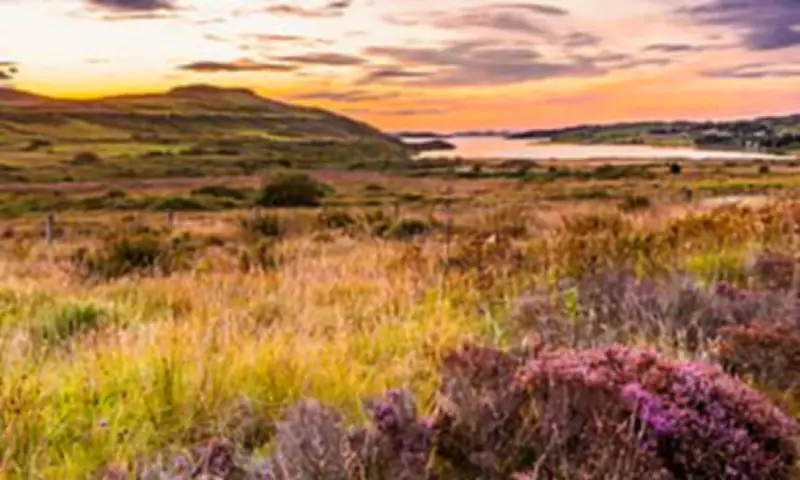
Think of the Scottish Highlands and you probably conjure up an unspoilt wilderness with heathery moors, deep lochs, craggy mountains and a rugged coastline. According to this startling book, that image is increasingly out of date.
A Landscape Under Siege
Kapka Kassabova, who grew up in Bulgaria but settled in Scotland 20 years ago, paints a picture of a magical landscape now blighted by dams, power stations and giant pylons, all in the name of decarbonisation and the rush for Net Zero. She is far from alone in being alarmed at what is happening. The conservation charity The John Muir Trust recently called for an urgent consultation on how Scotland could reduce carbon emissions without destroying its countryside.
US President Donald Trump, who has tried to block turbines being built alongside his golf course in Aberdeenshire, has said wind farms are 'ruining your beautiful fields and valleys and killing your birds'.

From Love to Loss
When Kassabova first moved to the Highlands, she fell deeply in love with the region. Living with her partner, Tony, who runs an art gallery, she even grew to appreciate Scottish winters: 'Thick jumpers, sleeves stained with soot from the fireplace, and leaves in my hair.' This idyll wasn't to last, because industry was rapidly encroaching on the land. There have been hydroelectric schemes in the Highlands for more than a century, but now energy companies are building on an unprecedented scale.
Locals were promised free energy in exchange for the reshaping of the landscape, but this never materialised. While men in fluorescent jackets talk blithely of building a 'holistic network', forests, peatland, wildlife habitats and waterways are being destroyed and people are being forced to move from their homes.
Powerlessness and Fear
Kassabova captures the powerlessness and fear of locals. 'Every week a new application for a wind farm on a hill. The wind farm speculators have never set foot here,' she writes. 'All they care about is: Scotland is an open shop. They come and loot it.' The forest by her house becomes an open-pit quarry, sending hundreds of birds fleeing into Kassabova's garden. The deer in the forest are regularly run over by lorries carrying gravel. Her health suffers due to the constant low hum from electricity lines and her hair starts falling out from stress. Eventually she moves from the cottage she shares with Tony to a quieter place nearby, although they are still together as a couple.
An Important Account
This howl of rage at what is happening to the Highlands does not make for an easy read, but this is an important account of how this great wilderness is being exploited. 'How can you destroy so much nature and replace it with steel and concrete?' she asks. 'The renewable energy industry as it looks today is not a solution to a problem, it is part of the problem.'