Olympic Figure Skating Music Dispute Between Armenia and Azerbaijan Resolved After ISU Review
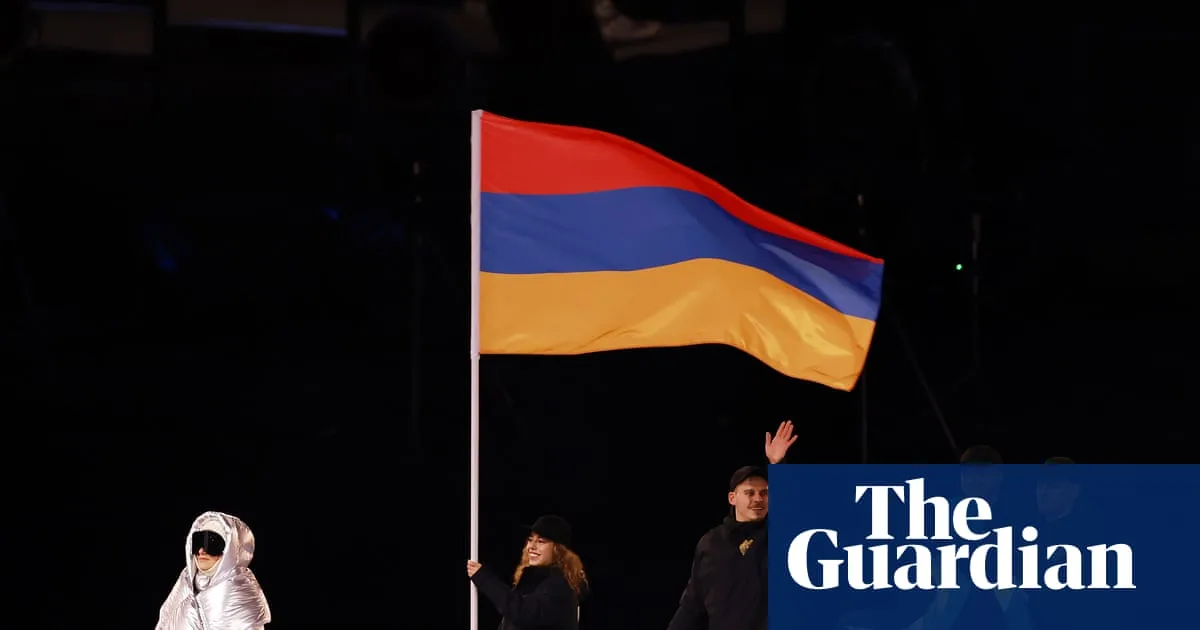
A politically charged dispute between the Olympic delegations of Azerbaijan and Armenia over figure skating music has been resolved following a review by skating authorities and the International Olympic Committee. The official program listing was amended to address concerns raised by Azerbaijan's National Olympic Committee, which argued that the music selection introduced political messaging into the competition.
ISU Statement and Resolution Process
The International Skating Union (ISU) confirmed in a statement to the Guardian on Sunday that it had examined the matter with all relevant stakeholders. The situation has been reviewed with all parties involved, the ISU said. The official names of the tracks that will be used are listed on the ISU website. This change came after Azerbaijan's committee filed a complaint with the IOC regarding the Armenian pair of Karina Akopova and Nikita Rakhmanin's planned short program to Artsakh, a composition by musician Ara Gevorgyan.
Background of the Controversial Music
Artsakh is the Armenian name for the long-disputed Nagorno-Karabakh region, historically controlled by an ethnic Armenian administration. Azerbaijani officials reject this term, viewing it as implying territorial claims over land internationally recognized as part of Azerbaijan. The committee stated that using this song risked violating Olympic Charter principles requiring political neutrality, emphasizing that the Olympic Games are a symbol of peace, friendship and mutual respect between peoples. They deemed it unacceptable to use the platform for political or separatist propaganda purposes.
Changes to the Official Listing
According to the ISU's published music registry for the 2025-26 season, the listing for the pair skating short program now identifies the music simply as Music by Ara Gevorgyan, rather than naming the composition itself. This adjustment aims to remove any perceived political symbolism while allowing the athletes to proceed with their performance. Music selections in Olympic figure skating are typically submitted and approved through technical processes overseen by the ISU, but disputes like this one can extend beyond standard sport governance structures.
Impact on Athletes and Competitive Consequences
Late changes to Olympic programs can have significant competitive repercussions. For instance, last week, Spain's Tomàs-Llorenç Guarino Sabaté narrowly avoided redesigning his Olympic short program after resolving a copyright dispute over music from the Minions franchise. Coaches and athletes note that altering music late in the Olympic cycle can force skaters to rework choreography refined over months, disrupting musical timing and muscle memory crucial to their performance.
Geopolitical Context and Olympic Implications
This episode occurs three months after Armenia and Azerbaijan signed a US-brokered peace agreement aimed at normalizing relations after decades of conflict, though disputes related to Nagorno-Karabakh remain sensitive. It highlights how geopolitical tensions continue to surface within the Olympic movement, despite longstanding rules intended to keep political disputes out of competition. Akopova and Rakhmanin are scheduled to compete in the Olympic pair skating short program on 15 February, with the free skate set for 16 February. Azerbaijan will be represented by a single male skater in a separate discipline, meaning athletes from the two countries will not face each other directly in competition.

People familiar with the discussions revealed that the complaint was initially directed to the IOC rather than through standard sport governance channels, and the issue was subsequently addressed through discussions involving relevant Olympic authorities. The IOC did not respond to requests for comment, underscoring the delicate nature of such disputes in the international sporting arena.