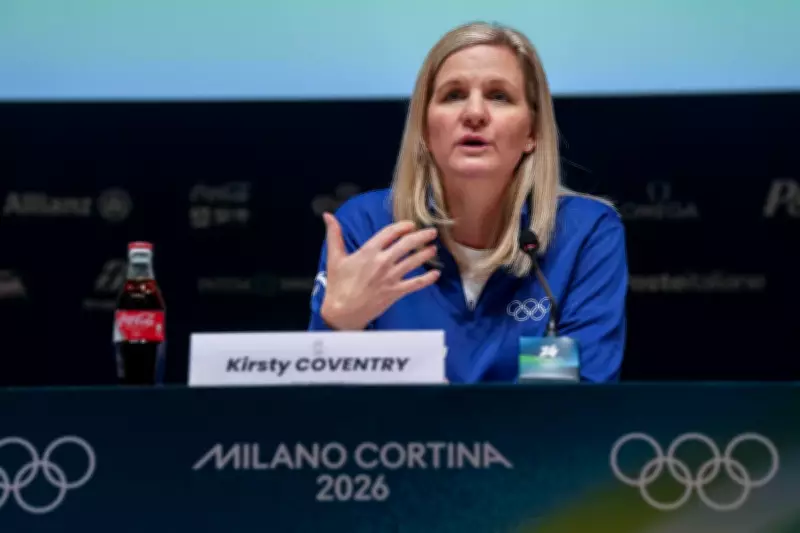
International Olympic Committee President Kirsty Coventry has delivered an emotional reaction to the recent ban of Ukrainian athlete Vladyslav Heraskevych. The ban was imposed over Heraskevych's use of a 'helmet of remembrance' during competition, a move that has sparked significant controversy within the sporting community.
Kirsty Coventry's Background and Career
Coventry is a highly decorated former Olympic swimmer, having secured an impressive seven medals throughout her career. Her achievements include back-to-back gold medals in the 200m backstroke, which established her as Africa's most successful Olympian. Beyond her athletic prowess, Coventry has also held prominent political roles.
Political Role in Zimbabwe
She served as Zimbabwe's minister of youth, sports, arts and recreation, a position that brought considerable scrutiny. This was largely due to the Zimbabwean government's documented history of suppressing democratic freedoms and criticism. Coventry's affiliation with the government began under the rule of Robert Mugabe, who famously praised her as the 'Golden Girl' and rewarded her with a diplomatic passport.

Following Mugabe's removal from power, Coventry was appointed as a minister in Emmerson Mnangagwa's administration. This appointment surprised many observers, given her relative youth at the time. Her political career has been closely watched, especially as the Zimbabwean government has faced sanctions from both the United States and the European Union.
Rise to IOC Presidency
In a significant career shift, Coventry was made president of the International Olympic Committee in 2025. Her appointment to this prestigious role marked a new chapter, transitioning from national politics to global sports leadership. The emotional response to the Ukrainian athlete's ban highlights the complex challenges she now faces in balancing Olympic principles with geopolitical sensitivities.
The situation underscores the ongoing tensions between athletic expression and regulatory frameworks within international sports. Coventry's reaction, informed by her unique background as both an elite athlete and a political figure, adds a poignant layer to the discourse surrounding athlete rights and commemorative gestures in competitive settings.