Gus Kenworthy's Olympic Return Falls Short of Podium Finish
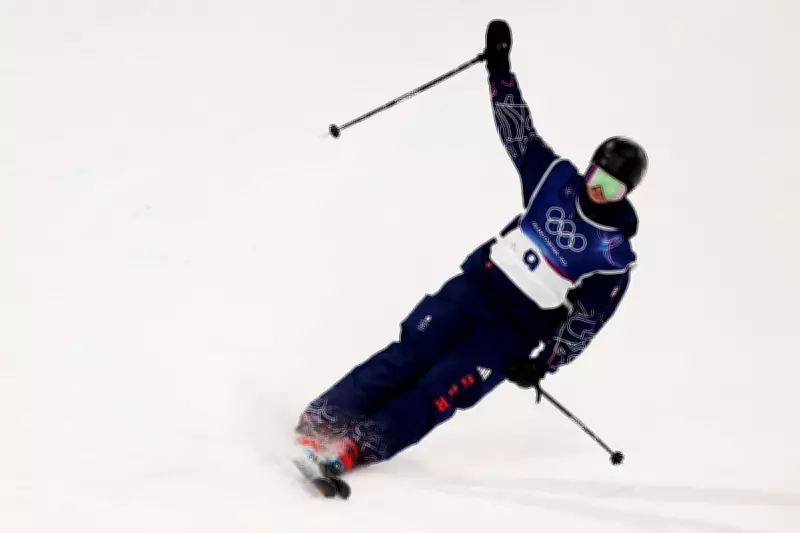
British freeskier Gus Kenworthy's remarkable comeback to the Olympic stage concluded without a medal, as he secured fifth place in the men's freeski half-pipe final under the lights at Livigno Snow Park. The 34-year-old, competing in his fourth Olympics, fell twice during his runs, ultimately ending his hopes of standing on the podium.
Dramatic Final Sees Ferreira Claim Gold
American skier Alex Ferreira captured the gold medal with an unbeatable score of 93.75 on his final run, while Estonia's 19-year-old Henry Sildaru took silver with 93.00 points. Another American, Nick Goepper, secured bronze with 89.00, despite crashing heavily during his last attempt. Kenworthy, who had qualified in ninth position after emerging from retirement specifically for these Games, initially struggled in the first run, scoring only six points after falling on his opening jump.
Kenworthy's Rollercoaster Performance
The British athlete dramatically turned his fortunes around during the second run, posting an impressive score of 84.75 that propelled him into the lead after several competitors also experienced falls. This performance positioned him in fifth place heading into the final run. However, a messy landing on his third and final trick prevented any improvement, with Kenworthy ultimately shrugging his shoulders in acceptance that his score wouldn't be sufficient for a medal.

Against-the-Odds Qualification Journey
Kenworthy's appearance at the Milano-Cortina Olympics represented an extraordinary achievement in itself. The skier had put his promising acting career on hold last year to self-fund his Olympic campaign after all of GB Snowsport's funding had been allocated to athletes already within the system. Through determination and skill, he accumulated enough World Cup points to qualify for what would become his fourth Olympic appearance.
Complex International Background
Born in Essex, Kenworthy moved to Colorado at age two and initially competed for the United States in his first two Olympic Games, winning a slopestyle silver medal at Sochi 2014. Following the 2018 Olympics, he switched allegiance to Great Britain to represent his mother's home country, though he continues to be based in the United States.
Political Controversy and Online Abuse
Prior to competing, Kenworthy generated headlines for his outspoken political stance against US Immigration and Customs Enforcement (ICE). He posted a passionate social media message urging followers to call for the agency to be reined in, accompanied by an image that appeared to show him urinating 'F*** Ice' in snow. This resulted in a torrent of online abuse directed at the skier, including death threats and homophobic remarks during the build-up to his Olympic appearance.
Speaking to the BBC after qualifying, Kenworthy addressed the difficult experience. "It was tough. No-one wants to read bad things about themselves, things that are threats and violent and scary and homophobic," he stated. "I also took it with a grain of salt. I couldn't imagine writing something like that about someone, especially on a public forum. Anyone who does that has something wrong with them. I think I'm on the right side."
Shared Experiences with Fellow Athlete
American skier Hunter Hess, who finished ninth after falling twice, revealed he had connected with Kenworthy about their mutual experiences of online abuse related to their political principles. Hess, who had been branded a "loser" by former US president Donald Trump for expressing "mixed emotions" about representing the United States, described enduring "the hardest two weeks" of his life following the controversy.
"We had a training camp in Laax and we just chatted about it, kind of how we got through the hardship," Hess explained. "He gave me some pointers, which was really nice. And he just helped me have a little bit of an avenue to get out of the pain and focus on the good."
Despite missing the podium, Kenworthy's Olympic comeback story captured attention for its determination against financial and competitive odds, while highlighting the personal challenges athletes face beyond their sporting performances.