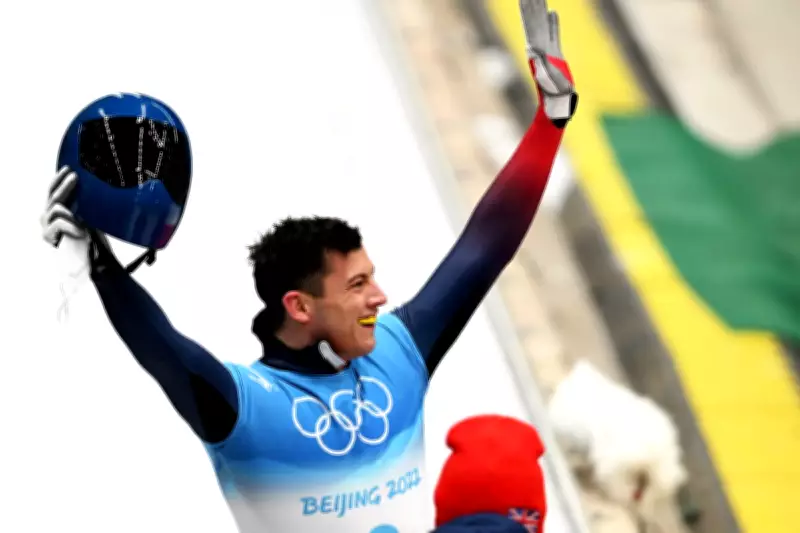
Great Britain's aspirations for multiple skeleton medals at the upcoming Winter Olympics have encountered a significant setback, with a potential helmet ban casting a shadow over their preparations mere days before competition commences in Milan and Cortina.
Appeal Lodged Against Helmet Ruling
The British Bobsleigh and Skeleton Association (BBSA) has formally lodged an appeal with the Court of Arbitration for Sport (CAS) challenging a decision by the International Bobsleigh and Skeleton Federation (IBSF). The IBSF has ruled that the team's new helmets, featuring aerodynamic ridges, do not comply with existing sport regulations and are therefore outlawed for use at the Games.
Urgent Hearing Scheduled
A CAS Ad Hoc Division panel is scheduled to hold a hearing on Thursday, just one day prior to the opening ceremony and slightly over a week before the men's competition is set to begin on February 12. The timing adds considerable pressure to the resolution of this equipment dispute.

It is understood that the BBSA, which trialled the new helmets during training sessions in Switzerland last week, remains relatively composed about the impending hearing. The association has indicated it will revert to the equipment utilised during their highly successful World Cup season should the ruling go against them.
Historical Precedent for Equipment Scrutiny
This is not the first instance where British skeleton team equipment has faced intense scrutiny at Olympic Games. In 2010, immediately following Amy Williams' gold medal run, protests were lodged by US and Canadian teams alleging the small ridges on her aerodynamic helmet were illegal. That protest was ultimately dismissed, with Williams characterising her detractors' actions as "sour grapes".
Similarly, at the 2018 Games, medallists Lizzy Yarnold, Laura Deas, and Dom Parsons wore specialised skin suits featuring drag-resistant ridges, whose legality was also questioned by rival teams. This pattern highlights ongoing tensions around technological innovation in the sport.
Strong Medal Prospects at Stake
British athletes have secured a total of seven skeleton medals since the sport's reintroduction to the Winter Olympic programme in 2002. The team arrives in Milan and Cortina with what many consider an unprecedented opportunity to augment this tally, given their dominant recent form.
World champion Matt Weston and teammate Marcus Wyatt have shared all seven of this season's World Cup gold medals between them, while also topping the mixed team standings. In the women's competition, both Tabby Stoecker and Amelia Coltman have also secured podium finishes, underscoring the squad's depth and medal potential across events.
The outcome of the CAS hearing will therefore carry significant weight, potentially influencing not just equipment choices but the momentum and confidence of a team poised for Olympic success.