IOC President Coventry's Emotional Stand on Ukrainian Athlete's Banned Helmet
In a highly charged and emotional development at the Winter Games, International Olympic Committee (IOC) President Kirsty Coventry has spoken out regarding the disqualification of Ukrainian skeleton racer Vladyslav Heraskevych. The 27-year-old athlete was banned from competition after refusing to remove a helmet that paid tribute to Ukrainian athletes who have lost their lives during the ongoing war with Russia.
The Controversial Decision and Rule Violation
The IOC reiterated to Heraskevych and the Ukrainian delegation that his helmet violated rule 50.2 of the Olympic Charter, which explicitly prohibits "any kind of demonstration or political, religious or racial propaganda" within Olympic venues. Despite this, Heraskevych remained defiant, stating he would rather sacrifice his medal dreams than "betray" his fallen compatriots killed since Russia's invasion four years prior.
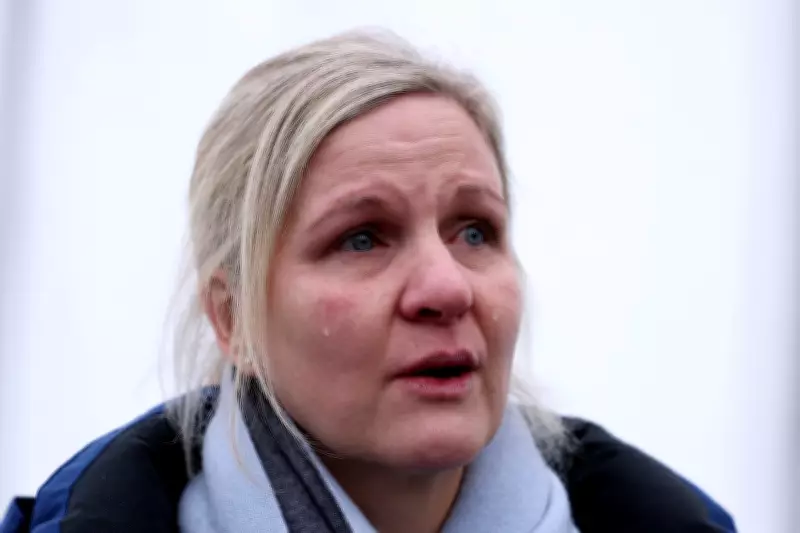
Reflecting on the difficult meeting, a visibly emotional Coventry said: "I really wanted to see him race today. It's been an emotional morning. He is an athlete, and I was not speaking to him in that room as a president, I'm speaking to him as an athlete." She emphasized that the rules exist to maintain fairness and safety while allowing for athlete expression within defined boundaries.

Compromise Attempt and Continued Defiance
Earlier in the week, the IOC proposed a compromise that would have allowed Heraskevych to wear a black armband instead of the banned helmet. However, the 27-year-old athlete signaled his intent to defy this offer, standing firm on his decision to honour his country's war dead through his equipment choice.
Who is Kirsty Coventry?
The current IOC president is a former Zimbabwean swimmer who made history in March 2025 by becoming the first woman and first African to lead the Olympic movement. Coventry, 41, is Africa's most decorated Olympian with seven medals, including back-to-back golds in the 200 meters backstroke at the 2004 and 2008 Games.
Her appointment to one of sports' most powerful positions comes alongside her role as Zimbabwe's Minister of Youth, Sports, Arts and Recreation. This dual position has drawn scrutiny given Zimbabwe's government has faced international sanctions and accusations of suppressing democratic freedoms.
Political Background and 'Golden Girl' Status
During her swimming peak, Coventry was celebrated as Zimbabwe's "Golden Girl" by late President Robert Mugabe, who rewarded her with a diplomatic passport and $100,000. She became a sports minister at just 34 in the administration of current President Emmerson Mnangagwa, surprising many due to her youth, limited political experience, and being white in a predominantly Black nation.
Following her IOC election victory, Coventry announced she would likely resign as Zimbabwe's sports minister and relocate full-time to Lausanne, Switzerland, the IOC's headquarters.
Career Trajectory and Leadership Questions
Coventry's path to IOC leadership included serving as athlete representative on the IOC executive board from 2018 to 2021 under former president Thomas Bach, whom she succeeded. Some athlete groups have expressed frustration that she closely followed Bach's policy line during this period.
Her effectiveness as a sports leader in Zimbabwe has faced questions, particularly as the country has been banned from hosting international soccer games by the African confederation since 2020 due to inadequate stadium facilities. During her first news conference as IOC president-elect, Zimbabwe's men's team was playing a "home" World Cup qualifier in neighboring South Africa because of these infrastructure problems.
Zimbabwe also faced temporary suspension from international soccer by FIFA in 2022 due to government interference, though it was reinstated in 2023. These challenges highlight the complex landscape Coventry navigates as she balances her roles in international sports governance and national politics.