Lewis Hamilton's Monumental 2026 Ferrari Challenge: Can He Win the F1 Title?
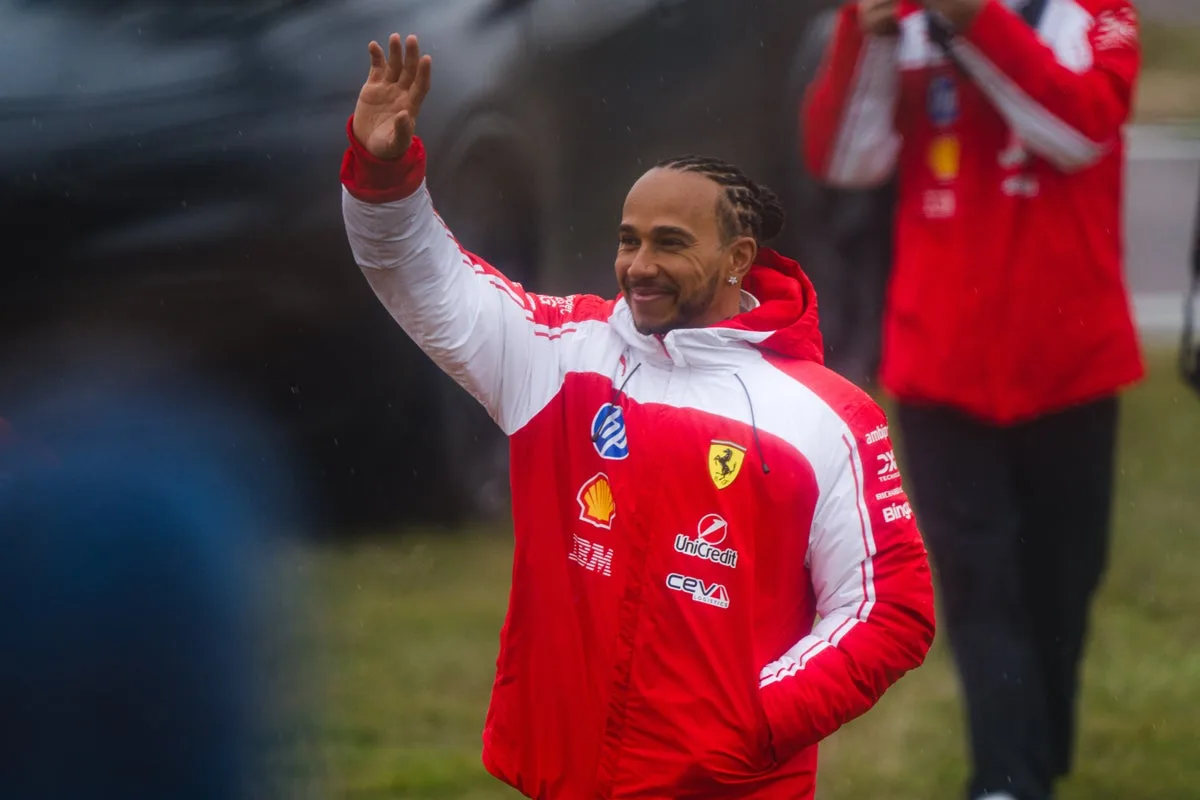
As Formula 1 embarks on its most significant regulatory overhaul in years, all eyes are on Lewis Hamilton and his Ferrari team. The seven-time world champion, now entering his 20th consecutive season, faces what he describes as the biggest regulation change of his illustrious career. After a chastening 2025 season with Ferrari that yielded no wins or podiums for the first time in 19 years, Hamilton is seeking redemption with the revolutionary SF-26 car.
The SF-26: Ferrari's Technical Revolution
Ferrari's 2026 contender, unveiled last Friday, represents a complete philosophical shift. The SF-26 features cleaner lines and a design focused on weight reduction and efficiency improvements. From a technical standpoint, the most notable changes include Ferrari adopting a pushrod front suspension configuration for the first time, aligning with Red Bull and Mercedes rather than their previous pullrod setup.
This suspension change aims to minimise air disruption lower down the car, while Ferrari have also switched from pullrod to pushrod at the rear - marking their first pushrod rear suspension configuration since 2011. The most visible innovation will be the adaptable front wing, part of the new "active aero" system that allows drivers to control wing flap openings and closings during races.
Ferrari technical director Loic Serra, who joined from Mercedes last year, emphasised the extensive concept phase: "We dedicated significant time to the concept phase to capture as much as possible of the new regulatory and technical context. We also had to ensure that the car's architecture would allow us enough flexibility for in-season development."
Hamilton's Perspective on the 2026 Challenge
Despite early social media speculation about problems during testing at Fiorano - quickly dismissed by Ferrari as a planned procedure - Hamilton remains optimistic about the team's progress. "I mean, it could be so much worse, [with] such a big regulation change," Hamilton noted, possibly referencing Williams's testing absence or Aston Martin's delayed start.
The British driver, who enjoyed his most successful period during F1's last major regulation change to hybrid engines in 2014, brings valuable experience to Ferrari's development process. "The 2026 season represents a huge challenge for everyone, probably the biggest regulation change I have experienced in my career," Hamilton acknowledged. "When a new era begins, everything revolves around development, growth as a team, and moving forward in the same direction."
Hamilton particularly emphasised the driver's enhanced role in the new technical landscape: "It will be an extremely important year from a technical perspective, with the driver playing a central role in energy management, understanding the new systems and contributing to the car's development."
The Engineer Question: A Crucial Decision
One significant uncertainty surrounds Hamilton's race engineer appointment. Following his difficult relationship with Riccardo Adami last year, Hamilton has decided to make a change. While initial speculation suggested performance engineer Luca Diella might take the role, recent reports indicate McLaren's Cedric Michel-Grosjean, formerly Oscar Piastri's performance engineer, has emerged as the frontrunner.
This potential appointment explains why Ferrari haven't yet announced Hamilton's new engineer. Any external hire would likely involve gardening leave from McLaren, potentially delaying the appointment until the Bahrain pre-season tests in February or, at worst, until the first race in Melbourne. Sky F1 pundit Karun Chandhok has suggested this uncertainty should trigger "alarm bells" at Ferrari, highlighting the importance of stable engineering partnerships during major regulation changes.
Championship Prospects: Too Early to Tell
Assessing Ferrari's championship chances at this early stage remains speculative. The team appears to be in a solid position, with no major breakdowns reported during initial testing. Their power unit supplier, Cadillac, has also demonstrated reliability in Barcelona sessions.
However, Ferrari have yet to match the early mileage achieved by rivals Mercedes and Red Bull. The true competitive picture will only emerge during the crucial Bahrain tests in February, where temperatures more closely resemble typical grand prix conditions. As always in Formula 1, the first genuine indication of performance will come during qualifying at Albert Park for the Australian Grand Prix on 8 March.
For Hamilton and Ferrari, the 2026 season represents not just a technical challenge but an opportunity for redemption. After labelling 2025 his "worst season ever," the British driver now faces his greatest regulatory test with F1's most historic team. Whether the SF-26 can deliver the performance needed for a title challenge remains to be seen, but the stage is set for one of the most intriguing seasons in recent Formula 1 history.