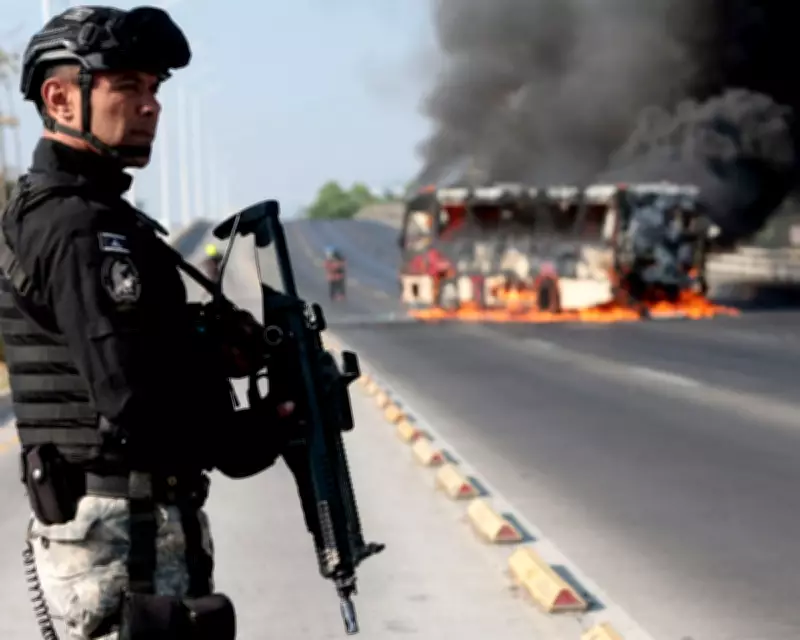
The vibrant city of Guadalajara, designated as a host venue for the prestigious 2026 FIFA World Cup, has been thrust into the international spotlight following a brutal drug cartel killing that has sent shockwaves through the community. This violent incident, directly linked to the infamous El Mencho cartel, has ignited urgent discussions about security and safety in the lead-up to the world's most-watched sporting event.
Escalating Violence in a World Cup City
Authorities in Jalisco state, where Guadalajara is located, confirmed that the killing was a targeted attack, characteristic of the escalating turf wars between rival drug trafficking organisations. The victim, whose identity has not been publicly disclosed, was found with signs of extreme violence, a grim hallmark of cartel executions. This event underscores the persistent challenges Mexico faces in combating organised crime, even as it prepares to welcome thousands of international fans and athletes.
Security Concerns for the 2026 Tournament
With the 2026 World Cup co-hosted by the United States, Canada, and Mexico, Guadalajara's selection as a host city was seen as a major opportunity to showcase Mexico's rich culture and modern infrastructure. However, this recent killing has cast a shadow over those aspirations, prompting FIFA and local organisers to reassess security protocols. Experts warn that such incidents could deter tourists and impact the tournament's smooth operation if not addressed decisively.

The El Mencho cartel, known for its ruthless tactics and extensive influence across western Mexico, is believed to be behind this attack. This group, led by Nemesio Oseguera Cervantes, has been implicated in numerous violent crimes, including kidnappings and murders, complicating law enforcement efforts in the region. The killing in Guadalajara is a stark reminder of the cartel's reach and the ongoing struggle for control in key areas.
Government Response and Future Implications
In response to the incident, Mexican officials have vowed to intensify security measures in Guadalajara and other World Cup host cities. Plans include increased police presence, enhanced surveillance, and closer collaboration with international agencies. However, critics argue that more systemic solutions are needed to tackle the root causes of cartel violence, such as corruption and economic inequality.
This event highlights the delicate balance Mexico must strike between celebrating its role in a global sporting spectacle and addressing deep-seated security issues. As preparations for the 2026 World Cup continue, all eyes will be on Guadalajara to see how it navigates these challenges and ensures a safe environment for all participants and spectators.