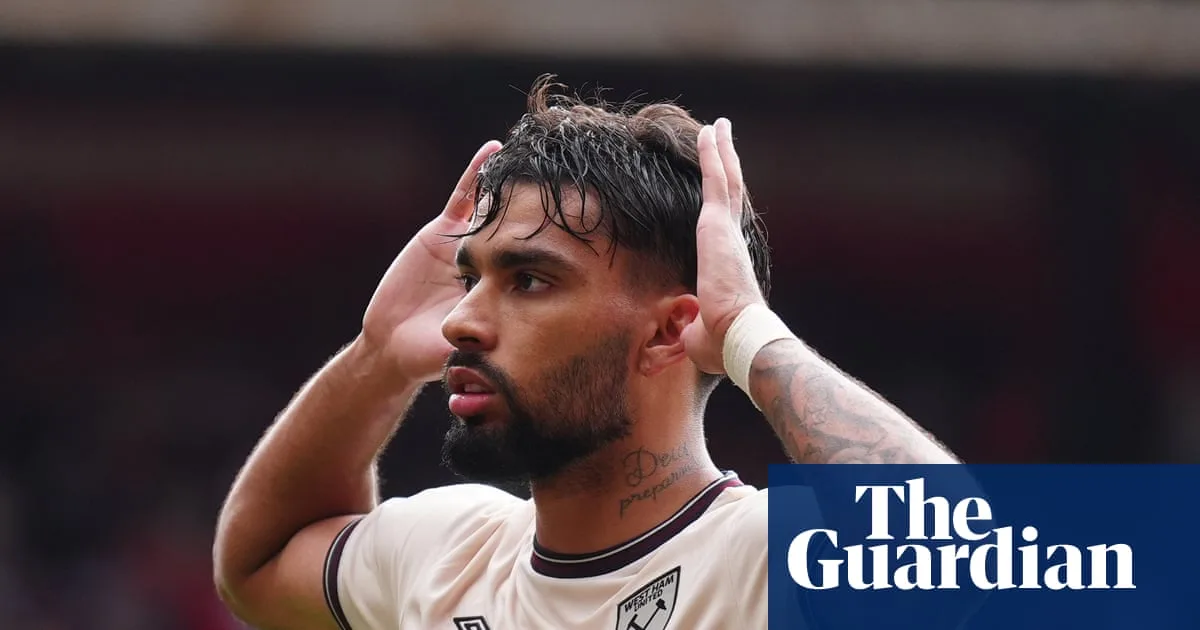
The Football Association has faced strong criticism from the regulatory commission that cleared West Ham’s Lucas Paquetá of spot-fixing charges, over its failure to provide an independent assessment of betting data. A 314-page report published on Wednesday highlighted an “obvious flaw” in the FA’s case, namely the lack of an independent analysis of the data.
The FA charged Paquetá in May 2024 after a 10-month investigation into yellow cards received in four Premier League matches. The case centred on connections between the Brazilian and 27 of 253 individuals who placed suspicious bets on him to be booked, with combined bets of £47,000 yielding £167,000 in profit. However, the commission concluded there was no evidence of corruption, suggesting the betting patterns were more likely due to the “random passing of ‘hot tips’ or perceived ‘inside information’ within Brazil”.
The commission was particularly damning of FA betting integrity investigator Tom Astley, the governing body’s chief witness. It noted that the FA appeared to contradict its own witness, with prosecutor Jonathan Laidlaw KC disagreeing with Astley’s description of the betting as “highly orchestrated”. The commission said this gave “the clear appearance … that the FA was not altogether certain what case it was presenting against the player”.
The panel reviewed bet-by-bet data for 33 individuals and found no evidence of a spot-fix. Bettors did not place maximum stakes, and fluctuating bet numbers suggested tips rather than a fix. Paquetá’s on-field performance was analysed, with former West Ham manager David Moyes and ex-referee Mark Clattenburg testifying that his actions were normal. The commission also questioned the independence of the FA’s expert witness, Jack Johnson, accusing him of “confirmation bias”.
Paquetá faces a separate sanctions hearing after being found guilty of two lesser charges of failing to cooperate with the FA’s investigation. The report revealed that Paquetá later offered to answer questions, but the FA declined. The commission expressed surprise that the FA was “apparently not interested in what the player had to say” during the investigation.