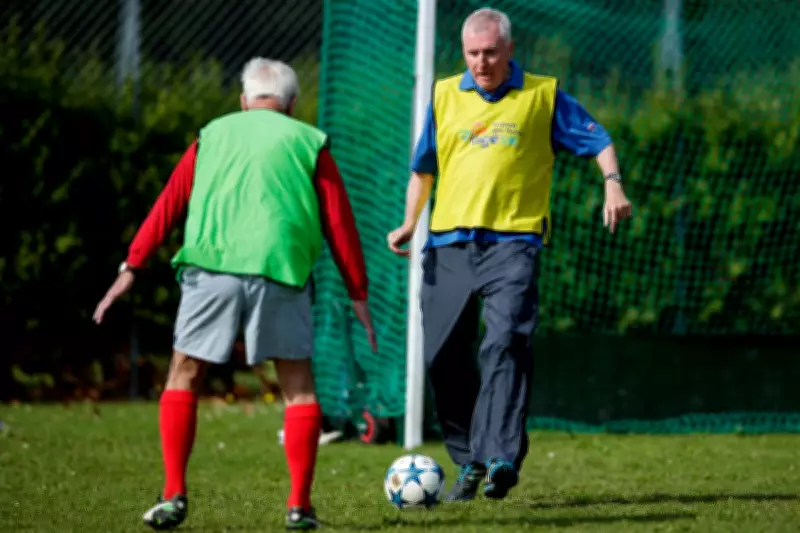
Walking Football: The Accessible Sport Transforming Health and Community
Inspired by the drama of Premier League matches or the high stakes of FIFA World Cup qualifiers, many feel a pull to return to the pitch. While representing England might remain a fantasy, a more attainable and equally rewarding alternative has emerged: walking football. This rapidly growing sport captures the essence of football but removes the intensity, making it perfect for a wide audience.
From 2021 to 2023, Age UK collaborated with Sport England and the Football Association to launch the Age UK Walking Football Programme. This partnership has spurred a nationwide expansion, with local games, clubs, and weekly sessions now flourishing across the UK, simplifying participation for enthusiasts everywhere.
Inclusivity at Its Core
Alison Ingram, programme director at Age UK, explains, "It's a slower, more gentle version of the game that everyone loves because players walk rather than run on the pitch. Anyone can get involved, irrespective of their ability or experience." She emphasises its accessibility, particularly for older adults, individuals with long-term conditions like dementia, or those recovering from falls seeking to rebuild confidence.

Here are six compelling reasons to embrace walking football later in life:
1. It's Truly Inclusive
"Football is a great leveller compared to many activities," says Ingram. "While Tai Chi or Zumba might be unfamiliar, most people grasp football basics." She notes that walking football draws participants from diverse backgrounds and ages, including men and women in their 50s to 80s, and those living with conditions such as Parkinson's or post-stroke. The supportive environment, with encouraging players and volunteers, fosters a welcoming atmosphere for newcomers.
2. Fosters Lasting Friendships
Word of mouth has rapidly spread about these sessions, often leading friends and family to join. Ingram highlights, "It provides opportunities to meet people you'd never otherwise encounter, sparking many great friendships within these groups."
3. Promotes Physical Activity
Ingram states, "Increased physical activity boosts stamina and strength, and walking football delivers this through constant movement during sessions. Playing football benefits heart health and can aid weight loss, while also enhancing bone strength—a common concern as people age."
4. Sharpens Decision-Making Skills
"It improves decision-making by requiring players to consider passes, positioning, and teamwork, which sharpens cognitive skills," explains Ingram.
5. Enhances Balance and Coordination
Constantly moving and changing direction on the pitch encourages brain-body coordination. Ingram adds, "Football's unpredictability trains muscles and limbs to react to unforeseen situations, improving off-pitch balance."
6. Boosts Confidence
Being part of a team offers a sense of purpose and confidence. Ingram recognises, "Tackling something new and seeing weekly progress can be very affirming." Walking football often serves as a gateway to other activities, opening up new possibilities and motivating further involvement.
Many local Age UK services host welcoming Walking Football sessions and other activity groups. To find events in your area, visit Age UK or call the Age UK Advice Line on 0800 169 6565.