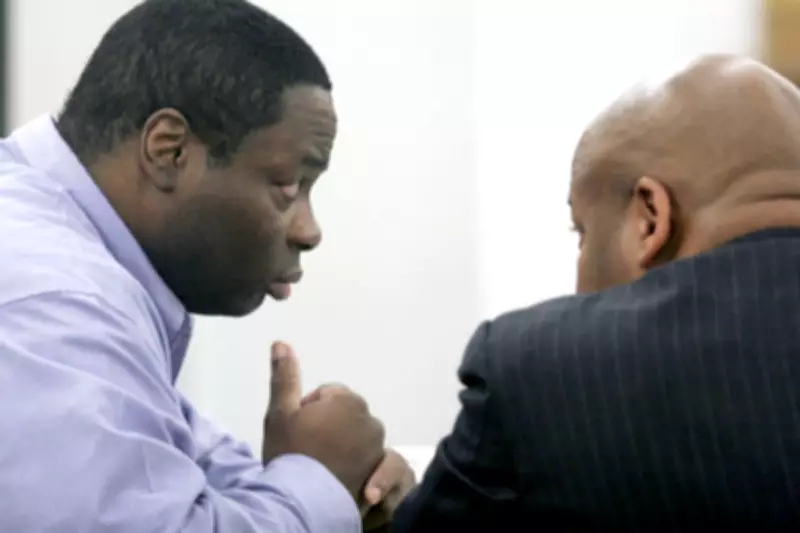
A man whom experts for both prosecutors and defense attorneys identified as intellectually disabled has become the 600th person executed in Texas since the state reinstated capital punishment in 1982. Edward Busby Jr. was pronounced dead at 8:11 p.m. local time Thursday following a lethal injection at the state penitentiary in Huntsville. The execution proceeded hours after a divided U.S. Supreme Court lifted a stay that had been granted over his disability claims.
Details of the Crime
Busby was condemned for the suffocation death of Laura Lee Crane, a 77-year-old retired professor from Texas Christian University. Prosecutors said Crane was abducted from a grocery store parking lot in January 2004 and left to suffocate in the trunk of her car with duct tape wrapped around her face. Busby and his co-defendant, Kathleen Latimer, were accused of taking Crane in her car from a Fort Worth grocery store and later placing her in the trunk as they drove around. She died from suffocation after 23 feet (7 meters) of duct tape was wrapped over her entire face, covering her mouth and nose.
Legal Battle Over Intellectual Disability
Busby's execution had been in doubt after the 5th U.S. Circuit Court of Appeals issued a stay last week to further review his intellectual disability claims. However, the Supreme Court overturned that stay Thursday at the request of the Texas Attorney General's Office. Later that evening, Busby's lawyers again sought an 11th-hour stay from the 5th Circuit but were quickly denied. The Supreme Court ruled in 2002 that executing intellectually disabled people is unconstitutional, but it granted states discretion in determining such disabilities.

Busby's attorneys argued that both a defense expert and an expert hired by the Tarrant County District Attorney's Office found him intellectually disabled. The district attorney's office had previously recommended reducing his sentence to life in prison, but the trial judge disagreed with the findings and upheld the death sentence in 2023. In a statement Wednesday, the district attorney's office said it requested the execution date because it believed Busby was not intellectually disabled under current law. The Texas Attorney General's Office urged the Supreme Court to lift the stay, calling Busby's claims "meritless" and based on "conflicting evidence," and argued they were "time-barred" as similar appeals had been rejected before.
Reactions and Context
Abraham Bonowitz, executive director of Death Penalty Action, a national anti-death penalty group, criticized the attorney general for pushing the execution without a full review of the disability claims. "The merits of this case are significant," Bonowitz said before the execution. "How can anyone claim this is fair due process?" Busby was arrested in Oklahoma City while driving Crane's car and led authorities to her body in Oklahoma, just north of the Texas border. After his arrest, he told investigators that Latimer pushed him to abduct Crane and restrain her with tape, adding that he "never meant for her to get hurt." Latimer remains in prison after receiving a life sentence for murder.
Busby was the fourth person executed in Texas this year and the 12th in the country. Texas has historically carried out more executions than any other state. Earlier Thursday, Oklahoma executed Raymond Johnson for killing his ex-girlfriend and her 7-month-old daughter nearly 20 years ago.