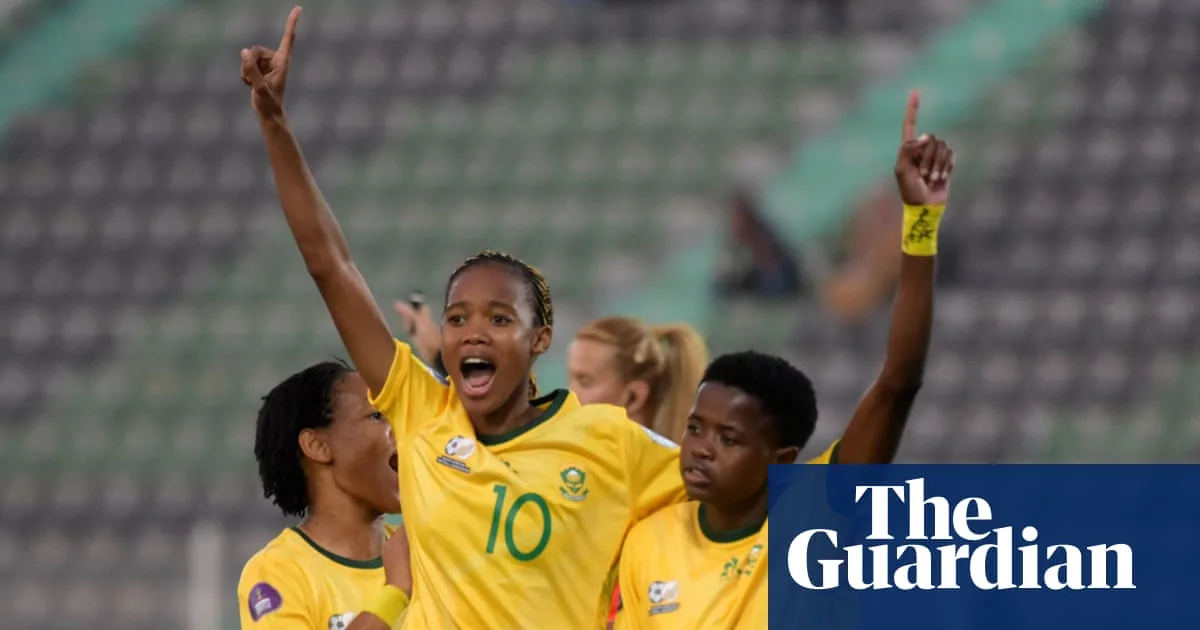
The Women’s Africa Cup of Nations in Morocco has produced a spectacle of goals and vibrant displays, yet underlying concerns persist about the development of the next generation. Defending champions South Africa announced their arrival with a stirring a cappella song, embodying the joy and resilience of the tournament. However, off the pitch, challenges remain stark.
South African players continue to face disputes with their federation over unpaid match fees, with reports of boycotting training sessions and complaints about shared hotel rooms and extreme heat. Coach Desiree Ellis noted the team consistently rises despite challenges, but captain Linda Motlhalo lamented that little has changed since their last title win, with the domestic league still unprofessional and sponsorship uncertain.
Ghana, aiming to reach the knockout stage for the first time in nine years, is unveiling a new generation. Swedish coach Kim Björkegren praised their innate talent but said adding organisational discipline could make them world-class. Meanwhile, Senegalese striker Nguenar Ndiaye, joint top scorer after the group stage, exemplifies the resilience needed, having started playing against boys against her parents’ wishes.
Despite the on-field entertainment, public interest has been tepid except for host nation matches. The use of second-tier stadiums, while main venues are renovated for men’s Afcon and the 2030 World Cup, raises questions about the tournament’s priority. With the next edition scheduled in just nine months, the focus remains on balancing football’s spectacle with the social and financial hurdles facing African women athletes.