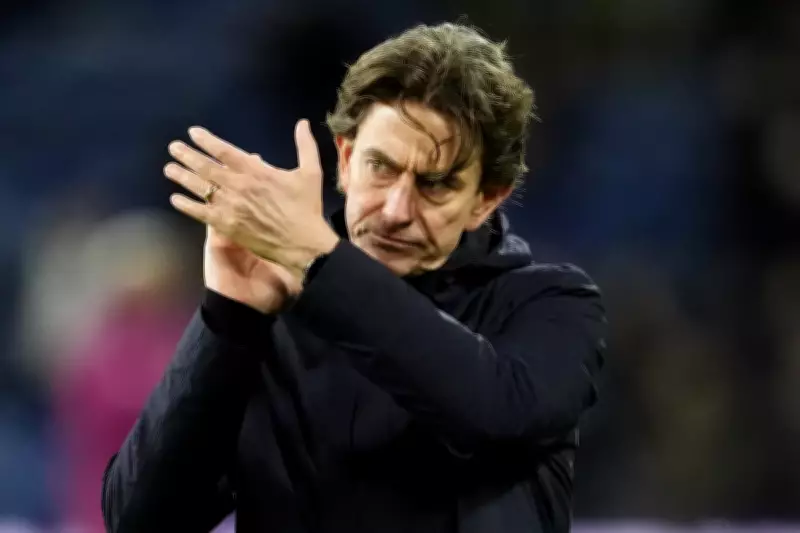
Tottenham Hotspur Descend into Chaos Following Frank Dismissal
Thomas Frank's abrupt departure from Tottenham Hotspur has laid bare a club in profound disarray, with the blame extending far beyond the Danish manager himself. Frank's sacking after a dismal 2-1 defeat to Newcastle United merely exposed the alarming structural deficiencies and leadership vacuum plaguing Spurs, issues that threaten the club's stability in the immediate future and beyond.
A Manager Overwhelmed by Institutional Dysfunction
From the very beginning of his tenure, Frank encountered a Tottenham environment starkly different from the meticulously organized setup he left at Brentford. Sources close to the club describe Spurs as "a basket case of an organization", where basic responsibilities like squad discipline—handled by dedicated staff at Brentford—fell entirely upon the manager's shoulders at Tottenham.
Frank's tactical approach, heavily focused on defensive protection rather than proactive football, failed to resonate with the squad. Messages were not convincing, and the team's best performances seemed to occur when players took matters into their own hands, a troubling echo of last season's Europa League campaign. The persistent injury crisis only compounded these issues, creating a perfect storm of underperformance.

Leadership Vacuum and Decision-Making Paralysis
The departure of long-time chairman Daniel Levy in September has left an obvious power vacuum at the club's highest levels. Control now rests with the family trust of former owner Joe Lewis, with daughter Vivienne Lewis and son-in-law Nick Beucher taking prominent roles. However, both are still acclimating to the complexities of the football industry.
Chief executive Vinai Venkatesham, while respected within the game, is perceived as a consensus-builder rather than a decisive leader. This has resulted in prolonged indecision regarding Frank's future, with some board members advocating for his dismissal as early as four months ago. The repeated weekend debates throughout January created a sense of "Groundhog Day" paralysis within the hierarchy.
Structural Collapse and Squad Scars
Tottenham's problems extend beyond mere managerial selection. The club has lost both a director of football and now a manager within months, revealing the absence of a coherent football structure that elite modern clubs consider essential. For too long, the organization was built around Levy's personal control, leaving little institutional resilience after his departure.
The squad itself bears "multiple football scars", according to insiders, with most players having experienced only dysfunction during their time at the club. This ill-fitting collection of expensive talent lacks the focus and unity seen at rivals like Arsenal, a comparison Frank unfortunately referenced too frequently.
The Failed Frank Experiment and Its Aftermath
Frank's appointment initially made analytical sense. The Dane had expressed ambitions to play more expansive football with better resources and had interviewed for positions at Manchester United and Chelsea. However, without Brentford's supportive structure, he quickly became overwhelmed by the intense scrutiny and expectations at Tottenham.
The toxic atmosphere during the 2-1 home defeat to West Ham United proved the final straw, with fan discontent reaching unbearable levels. Unlike at Brentford, where patience was afforded during difficult periods, Frank discovered that at Spurs, three months without victory is unacceptable.
Search for Solutions Amidst Mounting Pressure
The Tottenham hierarchy, acutely aware of the fanbase's toxicity, now seeks a "unity candidate" to stabilize the club. Mauricio Pochettino emerges as the obvious ideal choice, with informal contact maintained throughout 2026. However, Pochettino is unlikely to leave his United States position before the World Cup, forcing Spurs to consider interim solutions like Johnny Heitinga.
Alternatively, the club might swing to the opposite extreme by pursuing Roberto De Zerbi, highlighting the pattern of shifting between completely different managerial profiles that has characterized Tottenham's recent history. This lack of coherent planning underscores the institutional confusion.

Relegation Battle Compounds Multiple Crises
With just eleven days before their next match—a north London derby against league leaders Arsenal—Tottenham faces mounting pressure on multiple fronts. A likely defeat would emphasize how quickly time is running out for the club, not just in terms of managerial appointments but in their very Premier League survival.
Spurs now confront the unenviable task of addressing short-term relegation concerns, medium-term structural rebuilding, and long-term strategic direction simultaneously. Like so many of Frank's performances, the entire situation represents one monumental mess with no easy solutions in sight.