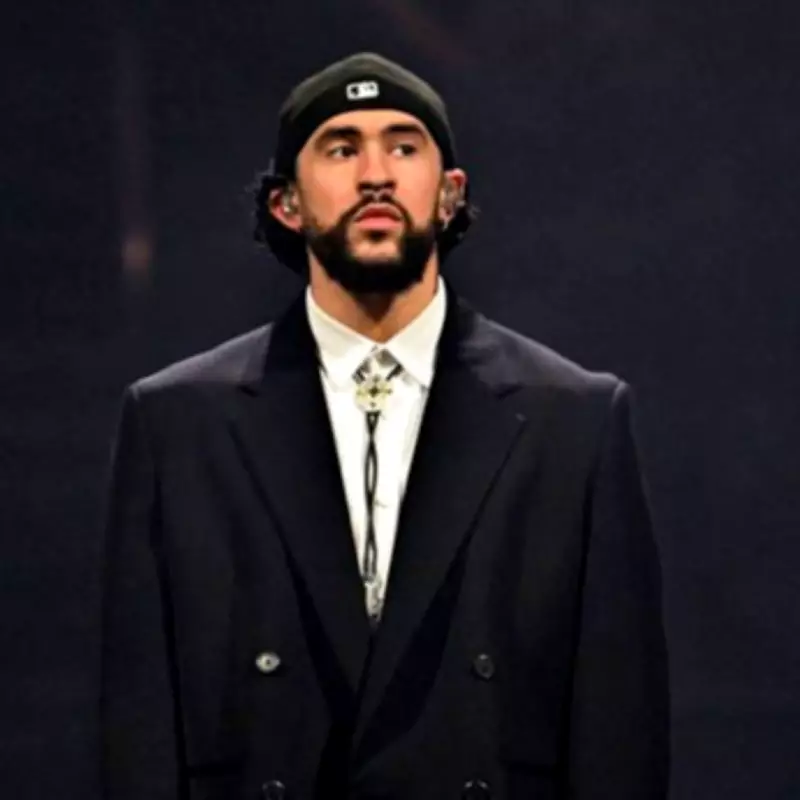
The Super Bowl halftime show, once a modest intermission featuring local college marching bands, has evolved into a global spectacle with headline solo artists. This transformation, however, has introduced an unexpected challenge for NFL players: significantly extended breaks that disrupt game flow and require careful management.
From Marching Bands to Mega-Stages
On February 8, at Levi's Stadium in Santa Clara, Bad Bunny made history as the first solo Latin artist to headline the Apple Music Super Bowl LX Halftime Show. This follows last year's critically praised performance by Kendrick Lamar and SZA at Super Bowl LIX in New Orleans. The shift from performance groups to high-profile solo acts has coincided with increasingly elaborate productions, often involving multiple platforms and complex stage designs.
The Extended Halftime Reality
A standard NFL halftime typically lasts 12 to 15 minutes, roughly matching the duration of a Super Bowl performer's set. However, the setup and teardown of today's sophisticated stages can add substantial time, resulting in players spending 20 to 30 minutes in the locker room—essentially doubling the traditional interval. This extended break creates a unique physical and mental challenge for athletes accustomed to shorter pauses.

Coaching Strategies for the Long Break
Former New England Patriots head coach Bill Belichick, who participated in 12 Super Bowls, developed specialised training to address this issue. Before Super Bowl XLVI, his Patriots devoted 30 minutes of their Wednesday practice during Super Bowl week to simulate the extended halftime situation. Although they ultimately lost 21-17 to the New York Giants, Belichick's approach was grounded in practical psychology.
"It really gets into a whole restarting mentality," Belichick explained at a pre-match press conference. "It's not like taking a break and coming out in the second half. It's like starting the game all over again." He likened the experience to a baseball double-header, where players must mentally reset between contests.
Player Perspectives on the Halftime Experience
Delanie Walker, a three-time Pro Bowl tight end who played for the San Francisco 49ers in Super Bowl XLVII, offered insight into the player experience during these lengthy breaks. "When you're playing, you don't really care who is performing the halftime show because they're taking a longer time," he revealed on Quora. "We tend to get cold sitting in the locker room for thirty minutes even though you're trying to stay hungry. So we don't focus on who's singing, because we're trying to stay warm, people are eating, etc."
Not all players share this pragmatic view. In February 2022, Cincinnati Bengals kicker Evan McPherson notably left the field early during Super Bowl LVI to watch performances by Dr. Dre, Snoop Dogg, Eminem, Mary J. Blige, Kendrick Lamar, and 50 Cent. Reflecting on his decision, McPherson told The Athletic: "Looking back on it, if there was a camera in my face, I wouldn't stay out there. I get how it looked. It probably looked pretty bad. I probably wouldn't do it again, but no regrets."
The Balancing Act of Entertainment and Sport
The evolution of the Super Bowl halftime show represents a delicate balance between entertainment spectacle and athletic competition. While Bad Bunny's performance celebrates cultural milestones and engages millions of viewers worldwide, the logistical demands of modern productions continue to impact the very athletes at the heart of the event. As halftime shows grow more ambitious, teams and coaches must increasingly adapt their preparation routines to account for these extended interruptions, ensuring players maintain focus and physical readiness through what has become a uniquely challenging interval in professional sports.