Spanish football authorities have firmly asserted their intention to host the final match of the 2030 FIFA World Cup, directly challenging rival claims from co-host Morocco. This declaration sets the stage for a significant diplomatic and sporting contest as preparations for the historic tournament, jointly organised by Spain, Portugal, and Morocco, continue to advance.
Spanish Confidence in Hosting the Showpiece Event
Rafael Louzan, the president of the Spanish Football Federation, has publicly stated that Spain will be the definitive location for the World Cup final in 2030. Emphasising Spain's extensive experience and proven organisational capabilities, Louzan positioned the nation as the natural leader of the tri-nation hosting partnership. "Spain has demonstrated its organisational capacity over many years," he affirmed. "It will be the leader of the 2030 World Cup and the final of that World Cup will be held here."
Iconic Stadiums in the Running
Spain's bid is underpinned by its world-renowned football venues. The primary contenders within the country are Madrid, home to the recently renovated Santiago Bernabeu with a capacity of 84,000, and Barcelona's iconic Camp Nou, which after its redevelopment will accommodate 100,000 spectators. Madrid also boasts the Metropolitano Stadium, with a 70,000-seat capacity. Louzan did not specify a preferred city, leaving the internal Spanish decision for a later date.

Morocco's Ambitious Counter-Claim
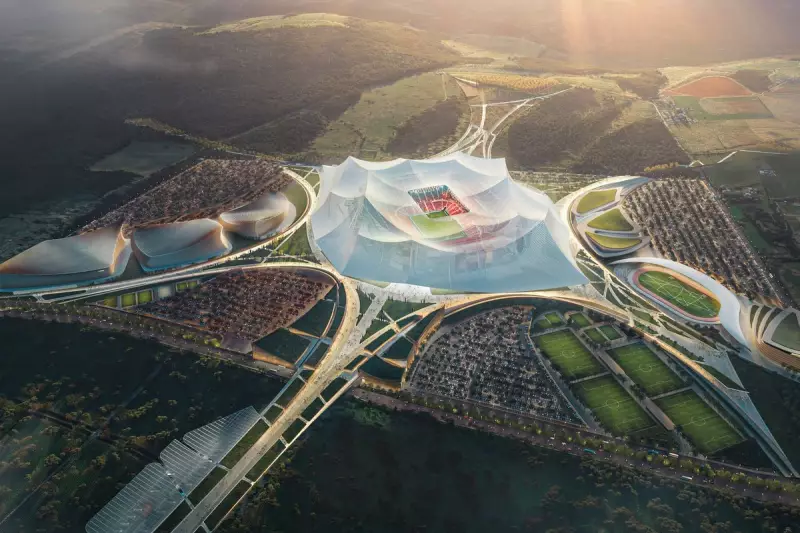
Morocco, however, presents a formidable challenge with its own ambitious plans. The nation aims to host the final in Casablanca at the Grand Stade Hassan II, a colossal new stadium currently under construction north of the city. Upon its scheduled completion in late 2028, this venue is projected to hold an impressive 115,000 spectators, potentially making it one of the largest football stadiums in the world.
Faouzi Lekjaa, president of Morocco's Royal Football Federation, previously expressed a strong desire to see a final staged in Casablanca, ideally featuring a match against Spain. A final in Morocco would carry profound symbolic weight, marking only the second time a World Cup final is held on the African continent, following the 2010 final in Johannesburg, South Africa.
Underlying Tensions and Recent History
Louzan's comments also hinted at underlying tensions, subtly referencing challenges faced during Morocco's recent hosting of the Africa Cup of Nations. He acknowledged Morocco's significant investments in infrastructure, stating, "Morocco is really undergoing a transformation in every sense, with magnificent stadiums. We must recognise what has been done well."
However, he pointedly added, "But in the Africa Cup of Nations, we saw scenes that damage the image of world football." This appears to allude to the chaotic final match between Senegal and Morocco, which was marred by fan disruptions and player protests that temporarily halted play, casting a shadow over the event's conclusion.
The Ultimate Decision Rests with FIFA
The final authority on where the 2030 World Cup final will be played lies solely with FIFA, world football's governing body. A spokesperson for FIFA previously indicated to Reuters that any decision on the final venue is premature, noting that the host city for the 2026 final was announced only two years prior to that tournament. This suggests the intense lobbying and negotiations between the co-hosts are likely to continue for some time.
As of now, the Portuguese and Moroccan football federations have not publicly responded to Louzan's latest assertions regarding the final's location. The coming years will undoubtedly see increased diplomatic efforts and strategic positioning from all three nations as they vie for the prestige of hosting football's most coveted match.