Kansas City Royals Unveil Plans for $1.9 Billion Downtown Ballpark
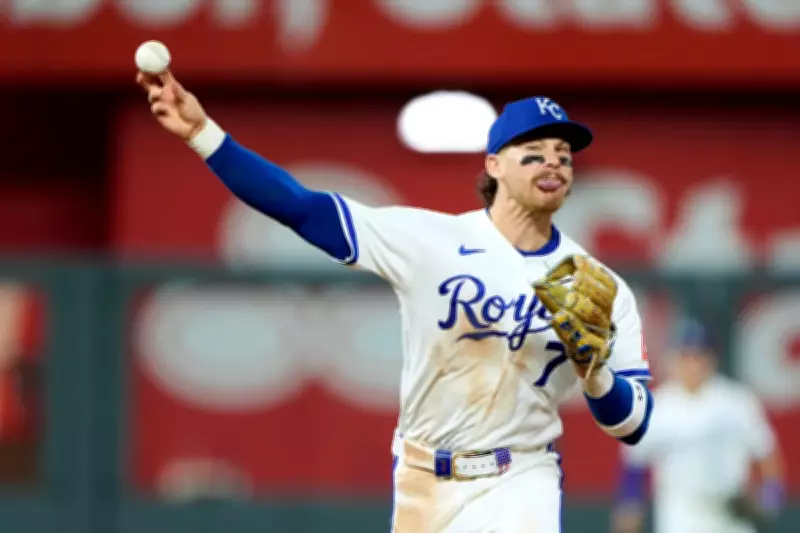
The Kansas City Royals have officially announced their relocation from Kauffman Stadium to the downtown Crown Center area, marking a significant shift as part of a massive $3 billion redevelopment initiative. This project, developed in partnership with Hallmark Cards, will feature a mixed-use development anchored by a new state-of-the-art ballpark.
Partnership and Funding Details
Royals owner John Sherman, alongside Hallmark chairman Don Hall Jr., Missouri Governor Mike Kehoe, and Kansas City Mayor Quinton Lucas, revealed the plans near Hallmark headquarters. While the master plan is still being finalised, Sherman confirmed that the $1.9 billion stadium will break ground next year within Crown Center, initiating the first phase of an 85-acre project. Funding will be split, with two-thirds sourced privately and one-third from public partners, including state-allocated funds for stadium projects.
"This is a partnership between two treasured Kansas City institutions," Sherman stated. "We are committed to creating a vision which honours our history while reinvigorating and reimagining our future together."

Location and Infrastructure
The announcement follows a recent city ordinance authorising negotiations for a $600 million deal to facilitate the Royals' move downtown. Contrary to earlier speculation placing the stadium at Washington Square Park, it will be situated just south of Union Station, with the park integrated into the development. Hallmark plans to construct a new headquarters in the area, which is connected by streetcar to the Power & Light District, offering a scenic backdrop beyond the outfield fence. Officials highlighted existing public parking and convenient highway access as key advantages.
State Support and Economic Impact
Missouri's contribution stems from a law enacted last year, permitting bonds covering up to 50% of stadium costs, plus tax credits and local government aid. Governor Kehoe emphasised the investment's value, noting it avoids impacting existing programmes and promises far-reaching economic benefits across the state. The Royals' lease at the Truman Sports Complex expires in 2031, aligning with Sherman's long-held goal of a downtown ballpark since acquiring the team in 2019.
Challenges and Alternatives
The path to this announcement was fraught with obstacles. In April 2024, a joint plan with the Chiefs to renovate Arrowhead Stadium and replace Kauffman Stadium collapsed when Jackson County voters rejected a sales tax extension. Subsequently, Kansas aggressively pursued the Chiefs, offering $2.4 billion in bonds for a new stadium in Kansas City, Kansas, leading to the NFL franchise's cross-state move. Although Kansas briefly considered the Royals, interest remained lukewarm, and the team rejected options in Overland Park, Kansas, and Clay County, Missouri.
Economic Considerations and Precedents
Economists often caution that stadium subsidies may not justify costs, as venues can divert economic activity rather than expand it. Nonetheless, public funding remains common, with 49 of 60 MLB or NFL stadiums publicly owned or on public land. Sherman cited Truist Park in Atlanta as a model, a public-private partnership costing over $1.1 billion, including bonds, taxes, and private contributions.
"There are many great ballpark neighborhoods in Major League Baseball," Sherman added, "but this is a bigger project with more land in downtown and in the heart of the city. We are bringing a modern, state-of-the-art ballpark experience closer to public transportation and where more people work and live."